
Although both sheep and rabbit manure are excrement from herbivores, their physical structures and chemical compositions differ significantly. Sheep manure is granular, high in fiber, and has a relatively high carbon-to-nitrogen ratio; rabbit manure is lumpy, high in nitrogen, and has a relatively low carbon-to-nitrogen ratio. These differences determine fundamentally different fermentation processes and the selection of crushing equipment.
Differences in Raw Material Characteristics
Sheep manure is granular, compact, and high in crude fiber, with a carbon-to-nitrogen ratio typically between 25:1 and 35:1, close to the ideal range for aerobic fermentation (25:1 to 30:1). Its moisture content is generally 40%-60%, allowing for direct fermentation without the need for large amounts of additives.
Rabbit manure is lumpy, extremely high in nitrogen, and has a relatively low carbon-to-nitrogen ratio. During fermentation, large amounts of straw, sawdust, and other carbon sources are needed to adjust the carbon-to-nitrogen ratio. Rabbit manure often contains rabbit hair and hay, forming a tangled fibrous structure, increasing the difficulty of crushing and mixing.
Differences in Pretreatment Equipment
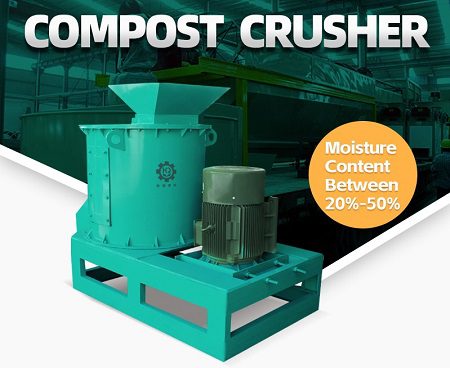
The core requirement for sheep manure crushing is to break down the particle structure and increase the specific surface area. Fermented sheep manure particles still retain a certain strength and need to be processed by a semi-wet material crusher, using high-speed rotating blades to break them to a suitable fineness. Semi-wet material crushers are highly adaptable to varying moisture content and can crush sheep manure to 50-80 mesh.
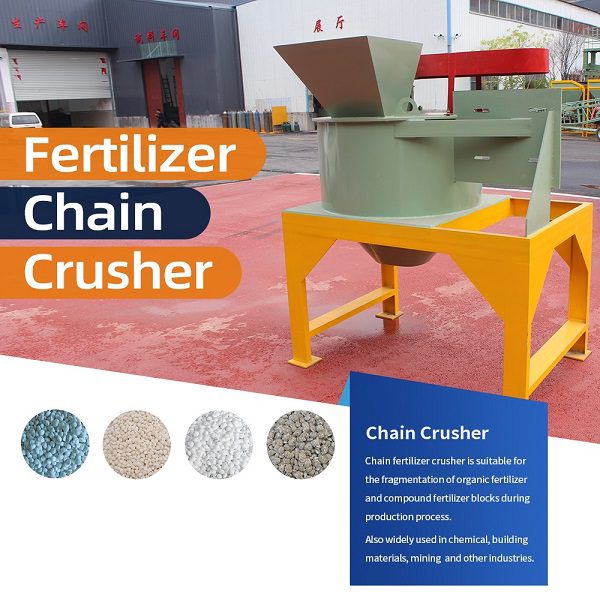
Rabbit manure, however, faces the challenge of entangled fibers—rabbit hair and undigested hay easily entangle the blade shaft in ordinary crushers. A chain crusher is required, as its chain structure effectively cuts fiber bundles and clumps, resulting in uniform output particle size. If the rabbit manure has a high moisture content, a semi-wet material crusher should be preferred, as it has better adaptability to high-moisture, high-fiber materials.
Differences in Fermentation Process
Sheep manure has a moderate carbon-to-nitrogen ratio, making fermentation control relatively simple. Adjusting the moisture content to 50%-60% and using a trough-type compost turner for regular turning allows the fermentation cycle to be completed in approximately 10-15 days during the high-temperature period plus a 15-20 day maturation stage.
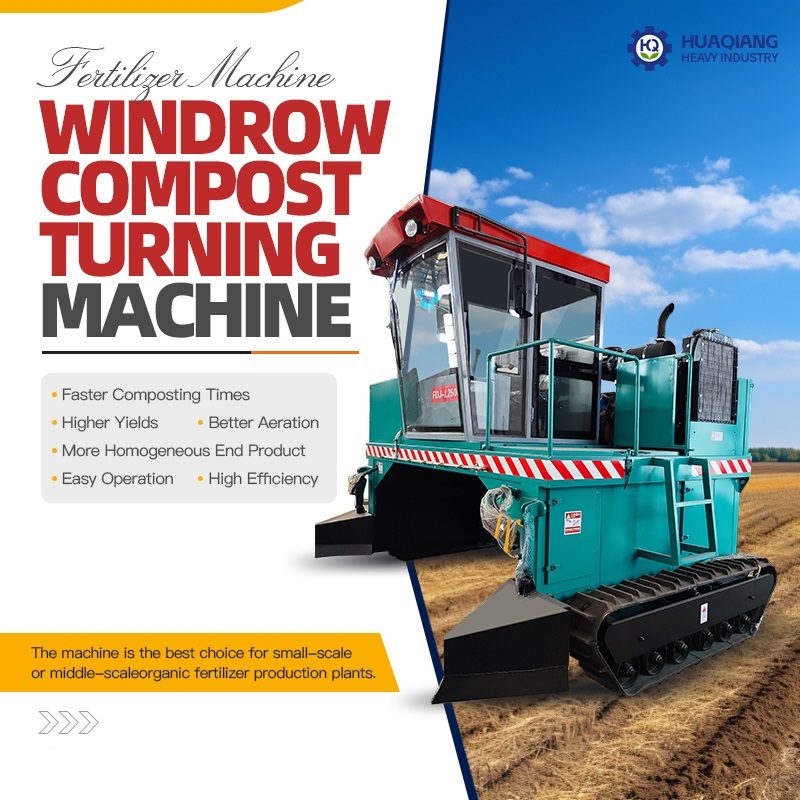
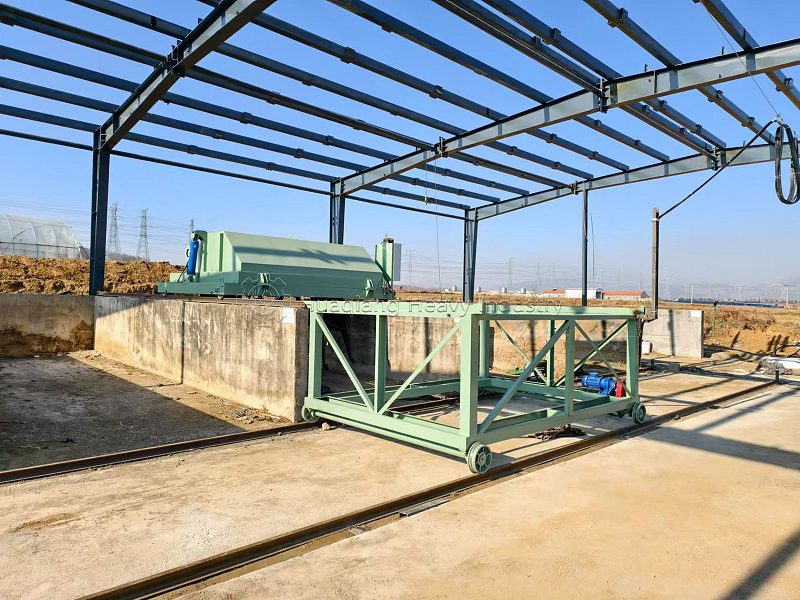
Rabbit manure has a low carbon-to-nitrogen ratio, so 20%-30% of carbon source materials such as straw and rice husks need to be added before fermentation to adjust the carbon-to-nitrogen ratio to 25:1 to 30:1. Ammonia release during fermentation is higher than with sheep manure, so ventilation needs to be strengthened. For turning the compost, a tracked compost turner is recommended, as it has a greater turning depth and width, effectively mixing the bottom layer of rabbit manure with the surface materials and avoiding localized anaerobic conditions.
Equipment Selection Recommendations
Sheep manure: Semi-wet material crusher (for granular structures) + trough-type compost turner (moderate carbon-to-nitrogen ratio, conventional turning is sufficient).
Rabbit manure: Chain crusher or semi-wet material crusher (cuts tangled fibers) + tracked compost turner (powerful mixing, prevents anaerobic conditions).
The distinct physical and chemical characteristics of sheep and rabbit manure demand tailored fermentation strategies and equipment choices—a one‑size‑fits‑all approach simply does not work. For sheep manure, with its granular structure and balanced C/N ratio, a half‑wet crusher followed by a trough‑type turner is sufficient to achieve efficient aerobic decomposition. Rabbit manure, however, requires a chain crusher to cut through tangled fibers and a robust tracked turner to ensure thorough mixing and prevent anaerobic zones. Regardless of the manure type, the core of successful composting process for animal manure lies in the proper application of fermentation composting turning technology. A windrow composting machine offers flexibility for outdoor operations, while a large wheel compost turning machine provides deep‑turning capability for high‑fiber materials. The fertilizer composting turning machine equipment must be selected based on the specific challenges of each feedstock—sheep manure benefits from consistent aeration, while rabbit manure demands aggressive mixing to distribute added carbon sources and prevent ammonia buildup. By matching the right machine to the right manure, producers can optimize fermentation cycles, reduce odors, and produce a mature, pathogen‑free organic fertilizer that is ready for granulation and sale—turning two very different wastes into equally valuable soil amendments.

If you have any questions about fertilizer production equipment and processes, or would like to learn more about customized solutions, please feel free to contact us. Whether it’s equipment selection and pricing, installation, commissioning and operation training, or after-sales maintenance and process upgrades, we can provide you with professional and timely answers and support to help your project be implemented efficiently.