
Premium WordPress theme for construction companies, contractors, builders, and a variety of other construction-related businesses.
-
28238 Kelsie Lane Apt. 451,
Port Annabelport
-
Call Us: (210) 451-123
(Sat - Thursday)
-
Monday - Friday
(10am - 05 pm)
Chain Crusher
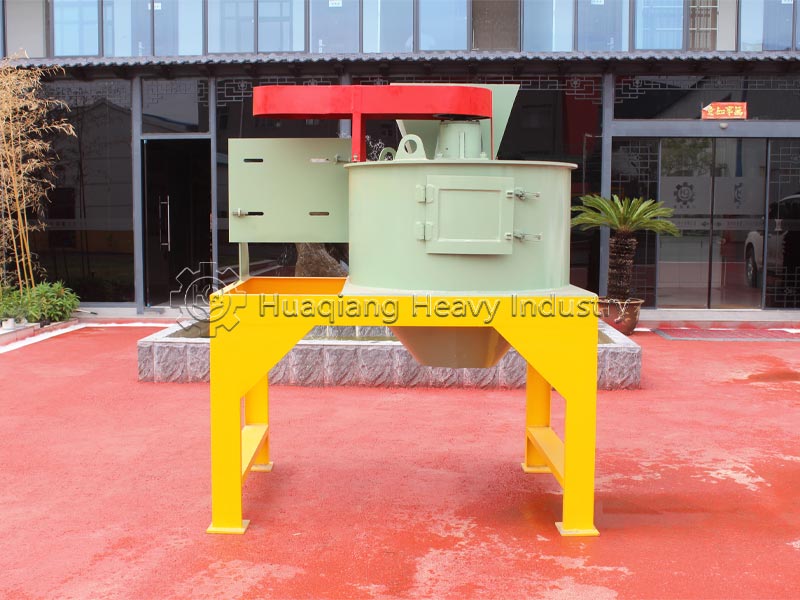
Equipment Introduction
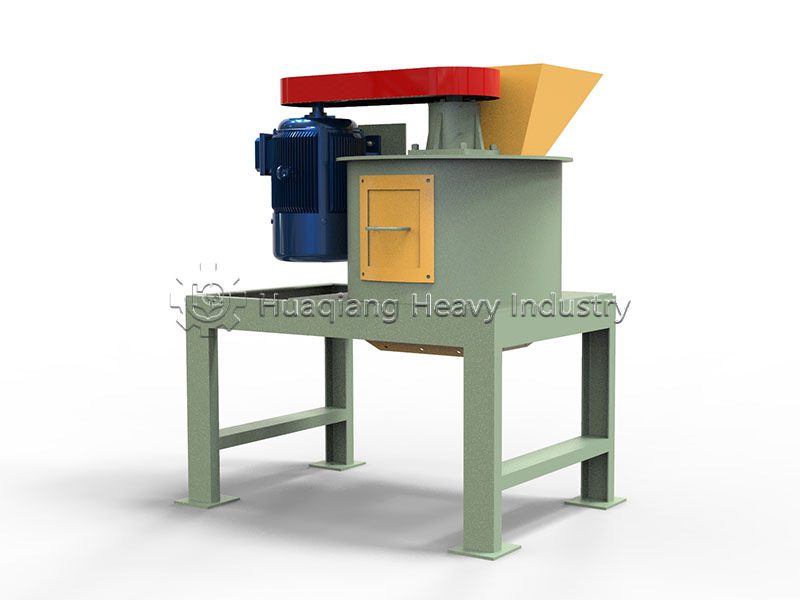
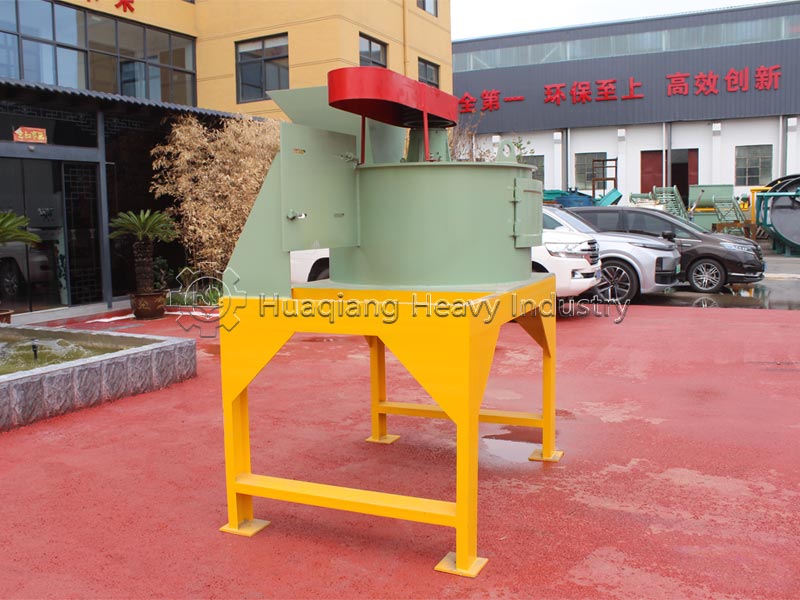
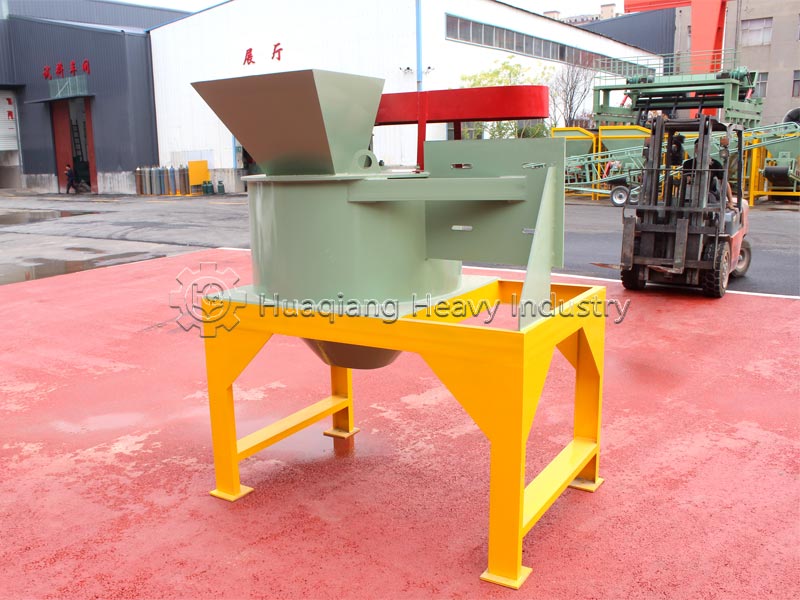
Chain crushers are one of the most commonly used crushing equipment in the compound fertilizer and organic fertilizer industries. They are impact crushers that use a high-speed rotating chain to crush material blocks.
Chain crushers are available in two structural forms: vertical and horizontal. The vertical type has a single rotor, while the horizontal type has a double rotor. During the crushing process, the equipment uses high-strength, wear-resistant, hard alloy chains with synchronized rotation speeds, suitable for crushing raw materials and return materials. This machine features a reasonable inlet and outlet design, uniform material crushing, minimal material sticking to the walls, and easy cleaning.
Particularly noteworthy is the strong adaptability of chain crushers to materials with high moisture content. They are less prone to clogging, ensure smooth material feeding, and overcome the drawback of materials adhering to the inner wall of the machine casing, which can prevent production. Horizontal chain crushers can crush undried phosphate fertilizers containing 14% moisture and 6% free acid, as well as various phosphate and potassium compound fertilizers, enabling continuous production in the crushing process.
Equipment Structure
Its robust and easy-to-maintain design comprises the following main components:
- Power System: Includes an electric motor and coupling, providing rotational power to the equipment.
- Rotor Assembly: The core component, consisting of the main shaft, upper and lower bearing seats, and rotor disc.
- Crushing Components: High-strength, wear-resistant carbide chains and hammers/hammers mounted on the rotor disc.
- Machine Body: Includes the feed hopper, machine casing (with a movable door for easy maintenance), and the lower frame supporting the entire equipment.
Raw materials and scope of equipment
| Category | Sub‑field / Material Type | Applicable Material Description |
|---|---|---|
| Application Scope | Fertilizer Industry (Core) | Crushing of agglomerated compound fertilizer; crushing of block organic fertilizer and organic‑inorganic compound fertilizer; crushing of unqualified returned materials; crushing of calcium superphosphate, triple superphosphate, phosphate fertilizer, ammonium phosphate nitrate and potash fertilizer |
| Chemical Industry | Crushing of various chemical raw materials | |
| Building Material Industry | Crushing and processing of building‑material raw materials | |
| Mining Industry | Crushing of medium‑hard block ores | |
| Other Industries | Food raw materials, briquette processing; fibrous materials such as leaves, residues, bamboo chips, wood chips and waste paper; hard materials including broken bricks, gravel and coal slag | |
| Applicable Raw Materials | Organic Fertilizer Raw Materials | Livestock manure (pig, cattle and chicken manure), industrial sludge, kitchen waste, biogas residue, fungus residue, compacted straw blocks |
| Chemical Fertilizer Raw Materials | Caked compound fertilizer, calcium superphosphate, triple superphosphate, phosphate fertilizer, ammonium phosphate nitrate, potash fertilizer | |
| Other Materials | Fibrous materials such as leaves, residues, broken bamboo, wood chips and waste paper; broken bricks, tiles, gravel, coal slag; medium‑hard mining ores | |
| Moisture Requirement | Horizontal models can process phosphate fertilizer with moisture 14% and free acid 6%; the whole machine adapts to wet materials with moisture ≤40% |
Working Principle of the Equipment
The chain crusher operates on the basis of a high-speed impact crushing mechanism. The specific process is as follows:
- Feeding: Material enters the machine casing from the feeding hopper and falls into the dual-rotor working area;
- First-stage impact: A high-speed rotating chain (circumferential speed 28~78m/s) on one rotor strikes the material, impacting it against the other rotor;
- Second-stage impact: The material is struck and impacted again by the chain on the opposite rotor, while simultaneously colliding and rebounding against the inner wall of the machine casing;
- Repeated grinding: During its descent, the material undergoes multiple impacts, compression, and grinding by the chain, hammers, and the inner wall of the machine casing;
- Discharge: The material gradually becomes powder or particles smaller than 3mm and is discharged from the lower outlet.
Particle size adjustment: The fineness of the crushing is controlled by increasing or decreasing the number of chains. The more chains, the finer the crushing; when operating at the optimal load with all chains fully loaded, the material can be crushed to below 1mm.
Applications of the Equipment
Chain crushers are widely used in the following fields:
- Fertilizer industry: Crushing of granular compound fertilizers, superphosphate, heavy calcium carbonate, phosphate fertilizers, nitrate phosphate fertilizers, urea, and other lumpy fertilizer materials.
- Organic fertilizer industry: Crushing of fermented lumpy organic materials and recycled materials.
- Chemical industry: Crushing of medium-hardness lumpy chemical raw materials.
- Building materials and mining: Crushing of medium-hardness ores and building materials.
5. Environmental protection field: Treatment of organic waste from waste and sewage treatment plants. This equipment is particularly suitable for processing fertilizer materials with high moisture content, free acid, and high viscosity, and is an upgraded replacement for traditional vertical chain crushers.
Equipment operation and maintenance methods
| Category | Item / Cycle | Specific Content & Requirements |
|---|---|---|
| Installation & Commissioning | Foundation Installation | Install on horizontal concrete foundation and fix with anchor bolts |
| Verticality Requirement | Ensure the main unit is perpendicular to the horizontal plane | |
| Post‑installation Inspection | Check whether bolts at all positions are loose and whether the main machine door is tightly closed | |
| Electrical Configuration | Configure power supply cables and control switches according to equipment power | |
| Test‑run Acceptance | Complete inspection, perform no‑load test run; put into production only after normal operation | |
| Daily Operation | Before Startup | Check bolt tightening, proper lubrication, intact chains and no foreign matters inside chamber |
| During Operation | Maintain uniform feeding; listen for abnormal noise; observe current and temperature | |
| After Shutdown | Clean residual materials and check wear condition of wearing parts | |
| Lubrication & Maintenance | Bearing Lubrication | Add No.3 lithium‑based grease each shift; filling volume accounts for 1/3‑1/2 of bearing cavity |
| Regular Oil Change | Replace lubricant periodically; bearings must be thoroughly cleaned during replacement | |
| Wheel‑hub Inspection | Re‑check and fasten if newly installed wheel hub gets loose | |
| Periodic Maintenance | Each Shift | Inspect bolts, add lubricant, clear residual materials |
| Weekly | Check wear of chains and hammers; inspect belt tension | |
| Monthly | Check bearing condition and wear of housing liner plates | |
| Quarterly | Comprehensively inspect rotor balance and replace severely worn parts |
Application of the Equipment in the Production Line
- In a fertilizer production line, the chain crusher is typically located in the following process stages:
Raw material storage → Batching and metering → Chain crusher → Mixing and stirring → Granulation → Drying → Cooling → Screening → Packaging
- Core Functions:
1) Raw material pretreatment: Crushing large pieces of fertilizer raw materials (such as superphosphate and heavy calcium carbonate blocks) to the fineness required for granulation;
2) Return material crushing: Re-crushing large particles after screening for recycling;
3) Shortening the process: Directly processing undried, moisture-containing materials, eliminating the pre-drying step;
4) Protecting downstream equipment: Preventing large pieces of material from entering the granulator and causing equipment damage.
Target Customers for this Equipment:
- Fertilizer Manufacturers: Enterprises that need to process high-moisture raw materials or handle clumped return materials.
- Large-Scale Livestock Farms: Owners who need to utilize manure resources and produce organic fertilizer.
- Environmental Engineering Contractors: Project owners responsible for the reduction and resource utilization of municipal waste or sludge.
Equipment Parameters
| Model | Feed Size (mm) | Output Size (mm) | Motor Power (kW) | Capacity (t/h) |
|---|---|---|---|---|
| LP600 | ≤60 | <0.7 | 15 | 1‑5 |
| LP800 | ≤60 | <0.7 | 18.5 | 2‑8 |
| LP1000 | ≤60 | <0.7 | 30 | 5‑10 |
| LP1500 | ≤60 | <0.7 | 55 | 10‑20 |
The core advantages of the equipment
| Advantages | Description |
|---|---|
| High Wear Resistance | Adopt high‑strength wear‑resistant hard alloy chains and hammer pieces for long service life |
| Anti‑sticking Wall Design | Rubber lining / protection plates inside the chamber, anti‑adhesion and easy to clean |
| Adaptable to High‑moisture Materials | Process high‑moisture materials effectively with low blocking risk |
| Adjustable Output Size | Flexibly adjust discharge particle size by changing chain quantity (below 1mm available) |
| Easy Maintenance | Quick‑open access doors for convenient disassembly and servicing |
| Smooth Operation | Base with vibration dampers; counter‑rotating dual rotors for low vibration and low noise |
| Dual‑motor Drive | Horizontal dual rotors driven by independent motors, energy‑saving and high‑efficiency |