
What is a Hydraulic Compost Turner?
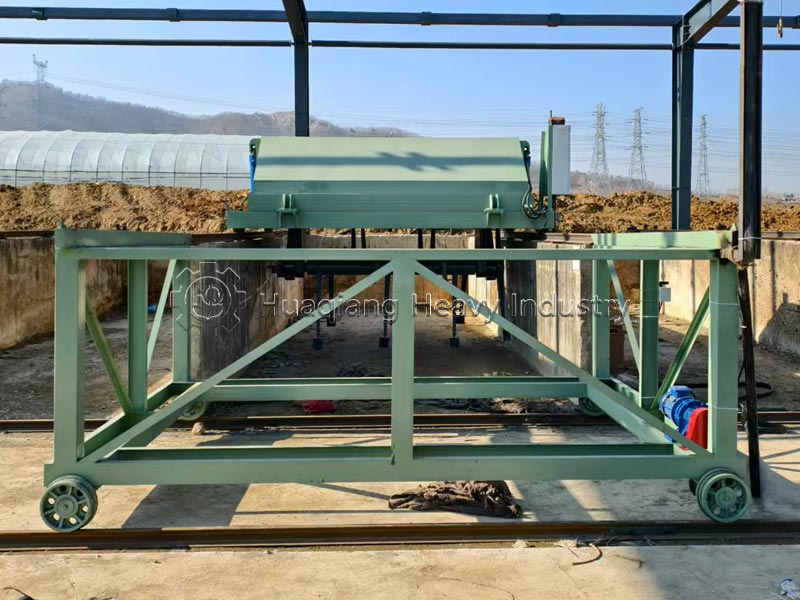
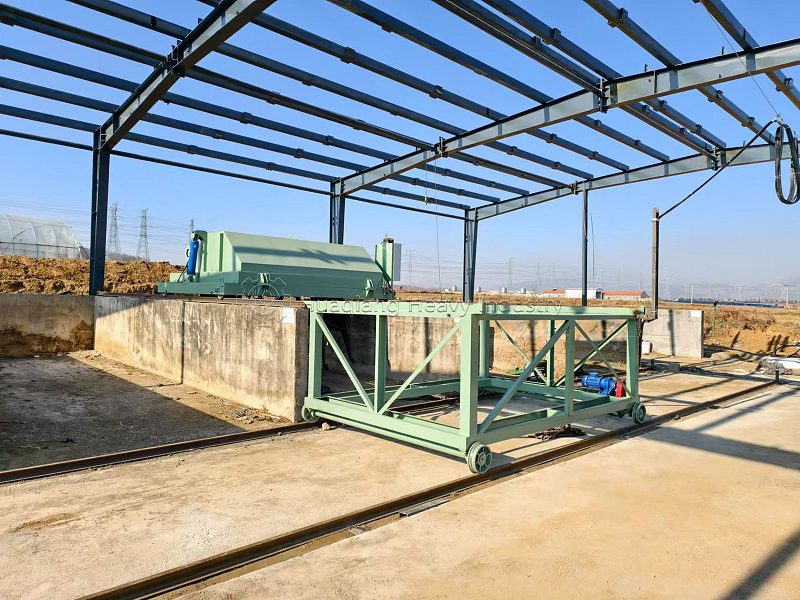
A hydraulic compost turner is a core piece of equipment in aerobic composting processes, primarily used for fermenting and turning organic waste such as livestock and poultry manure, sludge, and straw sawdust. The biggest difference between it and ordinary compost turners is its hydraulic lifting system, which allows for flexible adjustment of the turning wheel height, enabling unobstructed movement and deep turning.
This equipment is widely used in organic fertilizer plants, compound fertilizer plants, sludge treatment plants, horticultural farms, and mushroom cultivation plants, making it crucial equipment for large-scale organic waste resource utilization.
Core Features and Advantages
Large Turning Depth: The hydraulic compost turner can turn to a depth of 1.5 to 3 meters, far exceeding the 0.8-1.5 meters of ordinary compost turners. This means it can handle thicker material piles, improving site utilization.
Wide Turning Span: Large-span models can have a working width of up to 30 meters, covering the entire fermentation tank in a single operation, significantly improving work efficiency.
Low Energy Consumption: Utilizing a unique energy-saving transmission structure, it consumes approximately 70% less energy than traditional turning equipment for the same workload, resulting in significant long-term operating cost advantages.
Complete Turning: The symmetrical turning design of the wheel, combined with a speed-adjustable shifting trolley, ensures no dead corners within the fermentation tank, guaranteeing uniform material turning.
High Automation: Equipped with a fully automatic electrical control system, it enables unattended operation, reducing labor costs.
Multi-functional Integration: In addition to turning, it also features mixing, crushing, and moisture adjustment functions. Turning operations can break down materials into small clumps, making viscous raw materials fluffy and achieving suitable permeability.
Price Range
The price of hydraulic compost turners varies significantly depending on specifications, brand, and configuration:
Small to medium-sized models (working width 3-6 meters): Approximately RMB 80,000 to 200,000
Large, wide-span models (working width 10-30 meters): Approximately RMB 300,000 to 600,000
Imported or high-end customized models: Up to RMB 800,000 and above
Actual transaction prices are affected by factors such as hydraulic system configuration, motor brand, and control system. Users are advised to inquire with multiple suppliers and compare prices based on their production capacity needs.
Applicable Scenarios
Hydraulic compost turners are particularly suitable for the following scenarios:
Large-scale livestock farm manure treatment: Treats livestock manure such as cow, pig, and chicken manure. With the help of biological fermentation agents, deodorization can be achieved in 3-5 hours, the temperature can be raised to 50℃ in 16 hours, and composting can be completed in 7-15 days.
Municipal sludge composting: Treats dewatered sludge from sewage treatment plants. With the help of auxiliary materials, the moisture content can be adjusted to achieve harmless disposal.
Specialized Organic Fertilizer Production: For organic fertilizer production lines with an annual output of over 5000 tons, hydraulic compost turners can significantly improve fermentation efficiency and product quality.
Soil Remediation Projects: Used for the bioremediation of contaminated soil, composting ensures full contact between the remediation agents and the soil.
Hydraulic Compost Turner for Large-Scale Composting
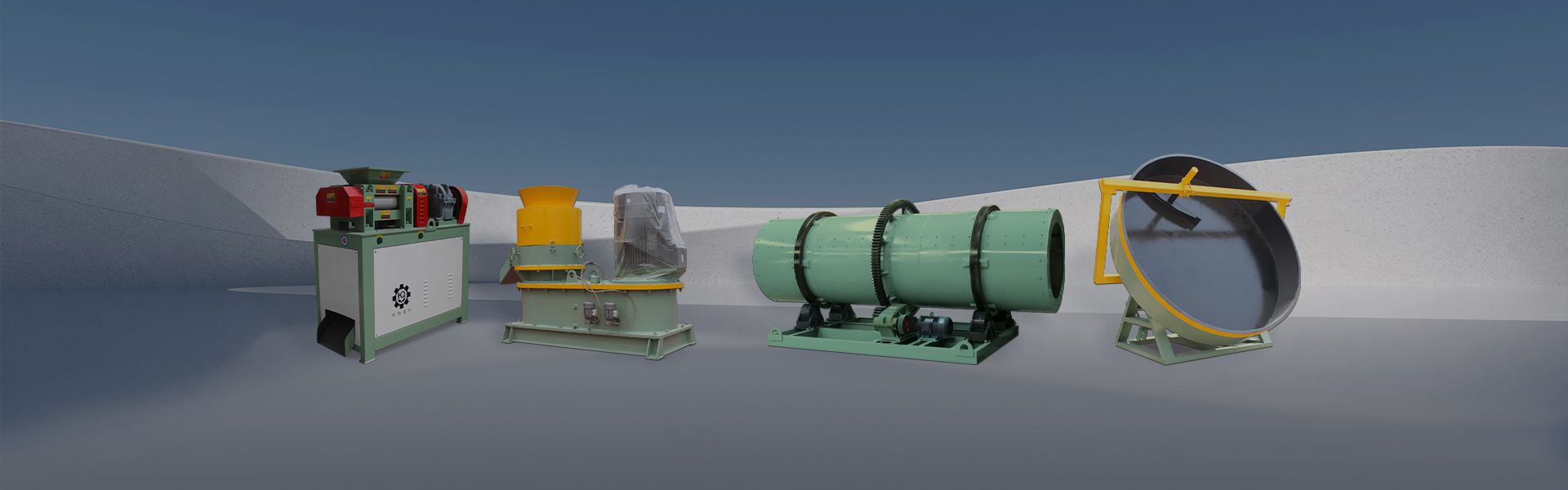
The hydraulic compost turner represents an advanced application of fermentation composting turning technology. Its key feature—a hydraulic lifting system—allows turning depths of 1.5-3 meters and spans up to 30 meters, far exceeding standard trough-type compost turners or windrow composting machines. For large-scale operations, a large wheel compost turner is another option, but the hydraulic model offers superior depth and energy efficiency (70% less energy consumption). This trough-type aerobic fermentation composting technology is ideal for large livestock farms (cow, pig, chicken manure), municipal sludge composting, and specialized organic fertilizer production (>5000 t/year). After successful composting, the mature material is ready for a disc granulation production line. For dry compaction in fertilizer production, a hydraulic roller granulator is used as a fertilizer compactor. The hydraulic compost turner functions as a powerful agriculture waste compost fermentation machine. Key advantages: large turning depth (1.5-3 m), wide span (up to 30 m), low energy consumption, complete turning (no dead corners), high automation (unattended operation), and multi-functional integration (mixing, crushing, moisture adjustment). Selection criteria include matching working width to fermentation tank, ensuring turning depth meets pile height requirements, hydraulic system reliability, motor power, and processing capacity. For users with limited budgets, a standard trough turner may suffice; for high-efficiency, large-scale production, the hydraulic large-span model is superior. This technology significantly improves fermentation efficiency and product quality, making it essential for large-scale organic waste resource utilization.
Selection Recommendations: When selecting a hydraulic compost turner, focus on: matching the working width to the fermentation tank, ensuring the composting depth meets the material pile height requirements, the reliability of the hydraulic system, the motor power and processing capacity, and whether it is equipped with a transfer machine to achieve multi-tank operation. For users with limited budgets, a standard trough-type compost turner may be considered; for users seeking high efficiency and large-scale production, a hydraulic large-span model is a better choice.