
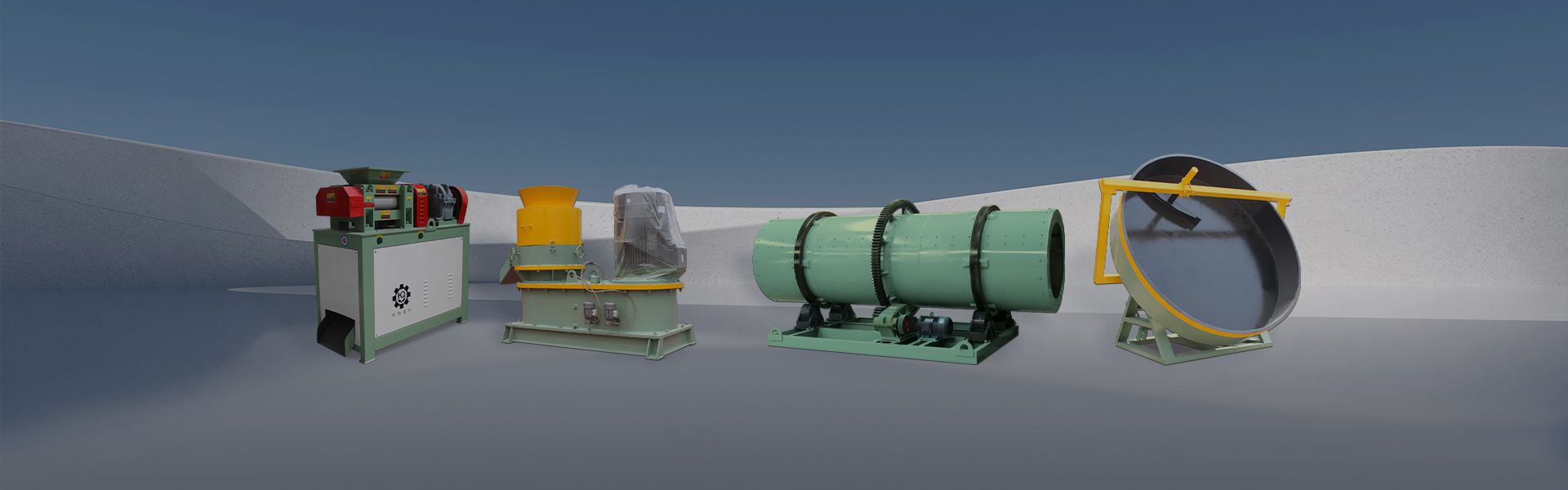
The turning teeth (blades) are the core working components of organic fertilizer compost turners, directly undertaking key tasks such as material crushing, mixing, and pushing. They are high-frequency wear parts, and the choice of material directly determines the replacement frequency and maintenance costs. Currently, the mainstream materials are divided into two main categories: high manganese steel and alloy steel. Combined with precision heat treatment processes, these factors jointly determine the service life and operational performance of the cutter head.
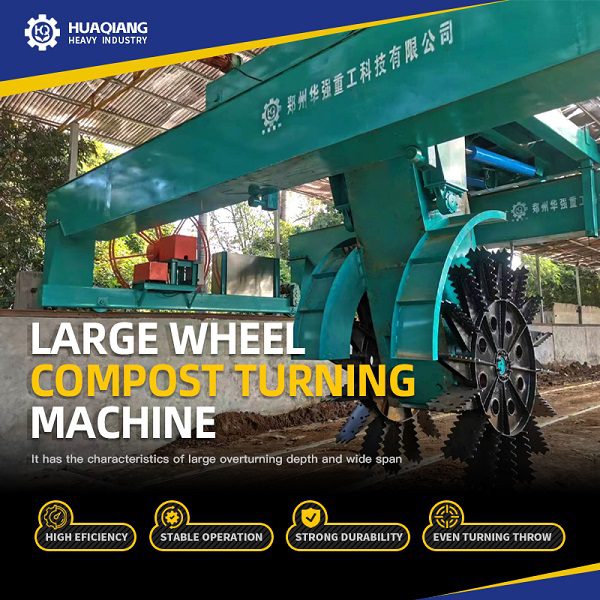
High Manganese Steel: Impact-Hardening Wear-Resistant Material
High manganese steel (typical grades Mn13, ZGMn13) is a classic material for compost turner cutters, containing 10%-15% manganese and 0.90%-1.50% carbon. Its core advantage lies in its unique work-hardening characteristics—under strong impact and extrusion conditions, the surface layer rapidly undergoes work hardening. Under low impact loads, the surface hardness can reach HB300-400, and under high impact loads, it can reach HB500-800, with a hardened layer depth of 10-20mm. The core retains the good toughness and plasticity of austenite. High-manganese steel blades perform exceptionally well in compost turners processing fibrous materials such as straw and branches. Their wear resistance is 3-5 times higher than ordinary carbon steel, and the replacement cycle can reach 3-6 months. However, the wear resistance of high-manganese steel only reaches its full potential under sufficient impact loads—if the compost turner is processing soft, low-impact, mature materials, the work hardening effect of high-manganese steel is not significant, and its wear resistance advantage cannot be fully realized.
Furthermore, high-manganese steel has poor corrosion resistance. Acidic substances and ammonia produced during organic fertilizer fermentation cause high-manganese steel surfaces to rust quickly, especially noticeable in humid southern regions. Weldability is also a weakness; damaged high-manganese steel requires specialized welding rods and skilled workers to re-weld.
Alloy Steel: An Upgraded Solution for Corrosion Resistance and Toughness
Alloy steel, by adding alloying elements such as chromium, molybdenum, and vanadium, comprehensively improves its performance. High-end alloy steels, such as Cr12MoV, contain multiple elements including chromium, molybdenum, and vanadium, and after quenching heat treatment, they exhibit extremely high hardness and superior wear resistance.
Corrosion resistance is the most prominent advantage of alloy steel. High-chromium alloy steel hardly rusts in the high-humidity, acidic environment of organic fertilizer plants. Plants primarily processing livestock manure tend to prefer alloy steel due to its resistance to severe ammonia corrosion. In terms of toughness, alloy steel is better than manganese steel, less prone to brittle fracture. After multiple precision heat treatments such as quenching and carburizing, the surface hardness can reach HRC60 or higher.
When processing dry, hard straw, large clumps of manure, or materials containing hard impurities, alloy steel cutter heads can be replaced every 8-12 months, and in some cases even more than a year. Although the purchase cost is 3-5 times that of ordinary carbon steel, the significantly reduced replacement frequency and downtime losses result in a lower overall long-term cost.
III. Heat Treatment Process: A Key Step in Activating Material Potential
Heat treatment is the core step determining the final performance of the cutter head. High-manganese steel in its as-cast state consists of austenite, carbides, and pearlite. When carbides are distributed in a network at the grain boundaries, the material is extremely brittle and cannot be used directly. Solution treatment (also known as water quenching) is essential – the steel is heated to 1050-1100℃, held at that temperature to eliminate the as-cast structure, and then water-quenched to obtain a single-phase austenitic structure. This treatment significantly improves strength, plasticity, and toughness.
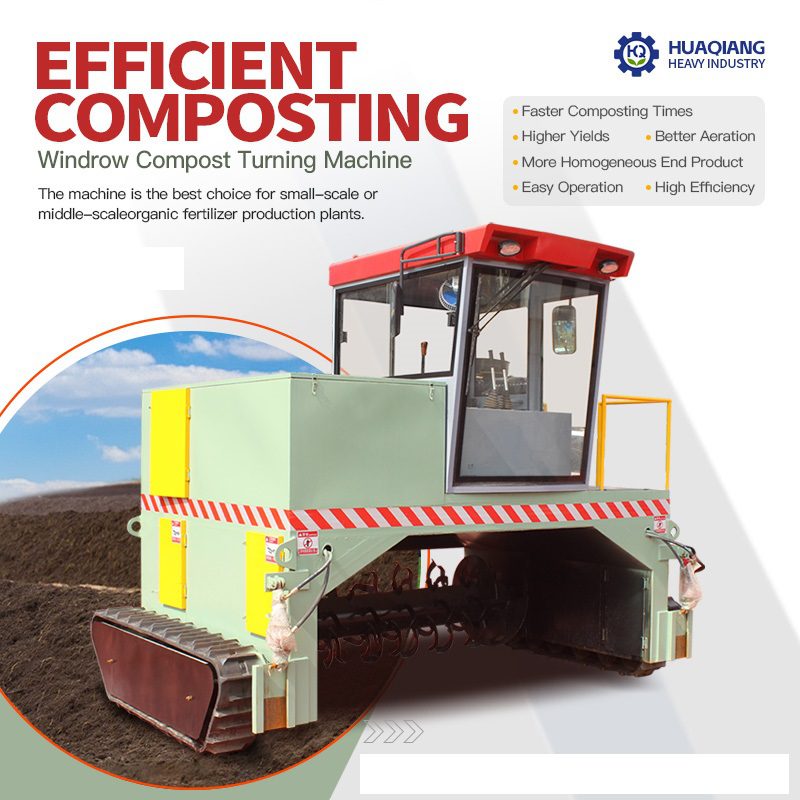
Alloy steel blades require multiple precision heat treatments, including quenching and carburizing, to achieve the triple advantages of high hardness, high toughness, and high wear resistance. The spiral blades are made of 65Mn wear-resistant steel, with a surface hardness exceeding HRC50 after quenching, extending their service life by 2-3 times compared to ordinary carbon steel blades.
Selection recommendations: For processing soft, impurity-free fermented materials (such as well-rotted pig manure and biogas residue), manganese steel is a suitable choice; for processing dry, hard straw or materials containing a small amount of stones, high-chromium alloy is essential. For small-scale intermittent operations (daily operation < 4 hours), manganese steel is sufficient; for large-scale continuous operations (daily processing capacity > 20 tons), high-chromium alloy offers a more cost-effective option.
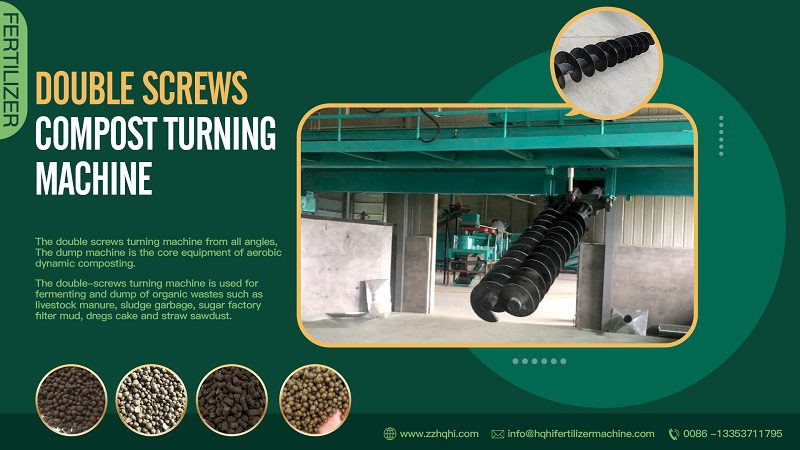
The selection of wear‑resistant materials for compost turner cutters is not merely a component choice—it directly impacts the reliability and cost‑effectiveness of the entire organic fertilizer production process. Whether using high‑manganese steel for impact‑prone fibrous feedstocks or high‑chromium alloy for corrosive, humid environments, the right material ensures that the animal manure compost turner maintains consistent performance throughout the composting process for animal manure and the chicken manure fermentation turning process. These cutters are the critical interface between mechanical action and biological transformation—they shred, mix, and aerate the material, enabling efficient fermentation composting turning technology that accelerates decomposition, eliminates pathogens, and stabilizes nutrients. A properly selected and heat‑treated cutter head reduces downtime, lowers maintenance costs, and ensures uniform oxygen supply, which is essential for achieving high‑temperature (55‑65°C) aerobic fermentation and producing mature, odor‑free compost. Ultimately, investing in the right cutter material—combined with routine inspections, timely grease application, and post‑shift cleaning—extends the service life of the turner by 2‑3 times and reduces annual blade replacement costs by over 60%. In the broader context of sustainable agriculture, durable cutters contribute to uninterrupted fertilizer production process and reliable output of high‑quality organic fertilizer, turning livestock waste into a valuable resource with maximum efficiency and minimum waste.
Frequently Asked Questions (FAQ)
Q: How often should the cutter heads of a compost turner be replaced?
A: It depends on the material and its composition. For conventional materials such as chicken manure and cow manure, manganese steel cutter heads should be inspected and replaced approximately every 3-6 months. For materials containing sand, gravel, or hard impurities, it is recommended to inspect them every 3 months. High-chromium alloy cutter heads can last 8-12 months under heavy load conditions.
Q: Which is more durable, high-manganese steel or alloy steel?
A: It depends on the working conditions. High-manganese steel performs excellently in fibrous materials with high impact and abrasion; alloy steel has a longer lifespan in humid and corrosive environments. Manganese steel is more commonly used in dry northern regions, while alloy steel is preferred in humid southern regions.
Q: Can worn cutter heads be repaired?
A: Repairing damaged alloy steel cutter heads is difficult; direct replacement is recommended. Manganese steel cutter heads can be repaired using specialized welding rods, but this requires professional skills. When encountering material jams, reversing out of the machine can extend the cutter shaft life by at least 30% compared to forcing it through.
Q: How to extend the service life of the cutter heads? A: Add grease to the cutter shaft bearing every 8 hours until the old grease is completely squeezed out; rinse away any residual material after each operation; regularly check for loose fasteners.