
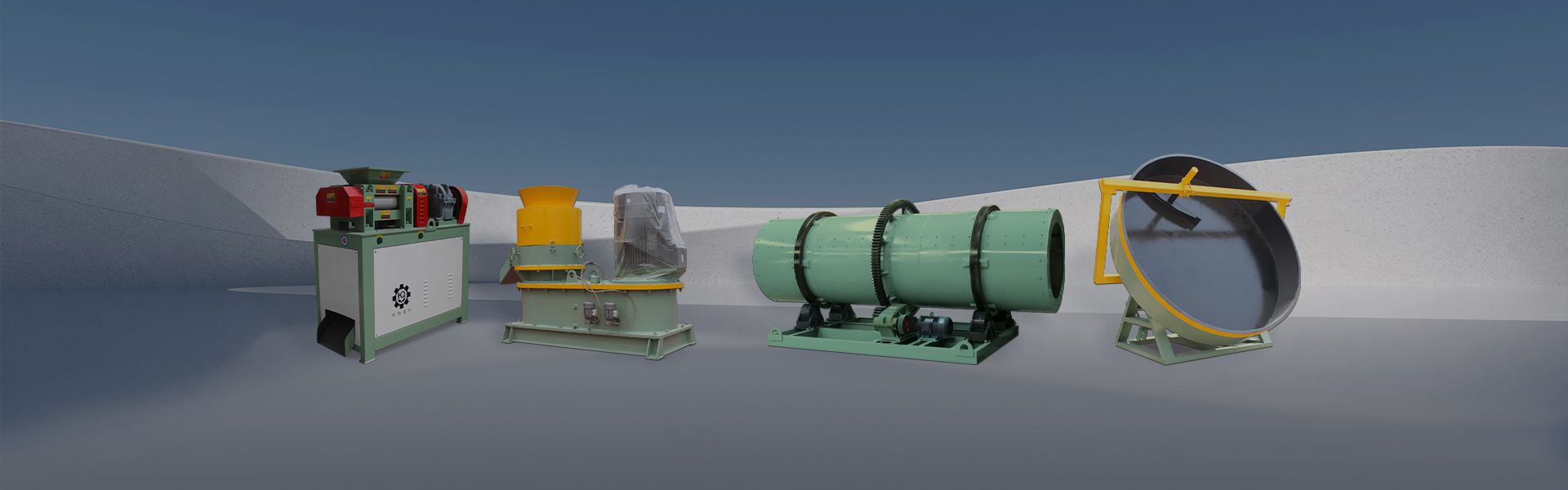
Nitrogen, phosphorus, potassium – three granules with completely different personalities. Getting them to blend evenly into the same bag is harder than keeping a cat, a dog and a hamster in one cage. The NPK blending fertilizer production line is the tamer trained to handle these three troublemakers.
Walking into the workshop, the first thing that catches your eye is three towering storage bins, like silent giants, holding urea (N), diammonium phosphate (P) and potassium chloride (K). Nitrogen granules are round and slick, always trying to roll away; phosphorus granules have sharp edges and a stubborn streak; potassium granules are rough and prone to caking in humidity. The batching system uses electronic screw scales to grab each ingredient precisely – nitrogen a little faster, phosphorus steadier, potassium slower – with an error of less than 0.2%. The numbers on the control screen flicker like an electrocardiogram, recording every feeding.
From the batching bins, the raw materials slide down chutes into the heart of the line: a double shaft paddle mixer. Its mixing paddles work like two giant palms, scooping up the three granules and tossing them over and over, playing mahjong on repeat. During commissioning, an old master peered through the inspection port for a full three minutes, then suddenly shouted toward the electrical cabinet: “Add 5 rpm! Too fast and you will crush the granules; too slow and they will not blend.” The apprentice adjusted the parameter, restarted, and the rattling inside turned into a rhythmic shush-shush-shush, like waves kissing a sandy beach. The master grabbed a handful, spread it on white paper – white, yellow and pink granules evenly distributed, no solid-color patches. He nodded: “Alright, they are friends now.”
The blended material drops into a surge hopper, then a bucket elevator hoists it up to the storage bin above the packing scale. The packing scale is the line’s goalkeeper – two pneumatic bag clamps grip the bag opening like iron hands. A load cell monitors the weight in real time. The moment 50 kilograms is reached, the gate snaps shut and the bag falls with a plop onto the conveyor belt. A sewing machine chatters da-da-da as it stitches the top closed, like buttoning up a shirt. When the whole line runs, batching, mixing and packing flow seamlessly – one finished bag every three minutes.
What I remember most is the no-load trial run. All motors started in sequence, the belt conveyor humming a bass line, the mixer keeping the beat, the packing scale’s solenoid valves clicking and popping – the whole workshop sounded like a band that had rehearsed a hundred times. The old master leaned against a pillar, closed his eyes to listen, then suddenly smiled: “Hear that? Nitrogen does not jump the gun, phosphorus does not jam, potassium does not slack off – this line is smooth.”
Yes, twisting three personalities into one rope does not take brute force. It takes every machine knowing its part and playing in sync. The NPK blending line taught me one thing: true blending is not about erasing differences – it is about helping differences find a rhythm to dance together.