
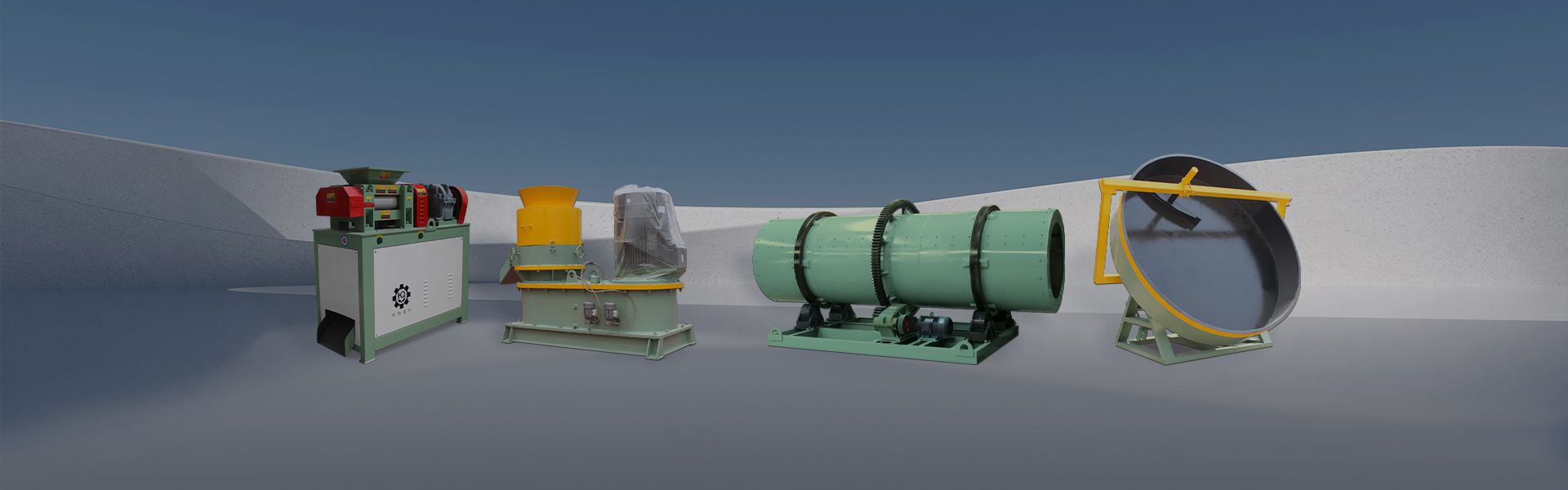
Rich in functional live bacteria, organic matter, and trace elements, bio-organic fertilizers are remarkably effective in improving soil, enhancing crop quality, and increasing disease resistance and yield, leading to growing market acceptance. Their bio-organic fertilizer production lines differ significantly from those of ordinary organic fertilizers, requiring more sophisticated configurations.
The core differences lie in the low-temperature fermentation, low-temperature drying, and live bacteria addition processes. Fermentation temperatures for bio-organic fertilizers should not be too high to avoid killing the functional bacteria; drying requires a low-temperature, high-volume process (≤65℃) to maximize the protection of bacterial activity.
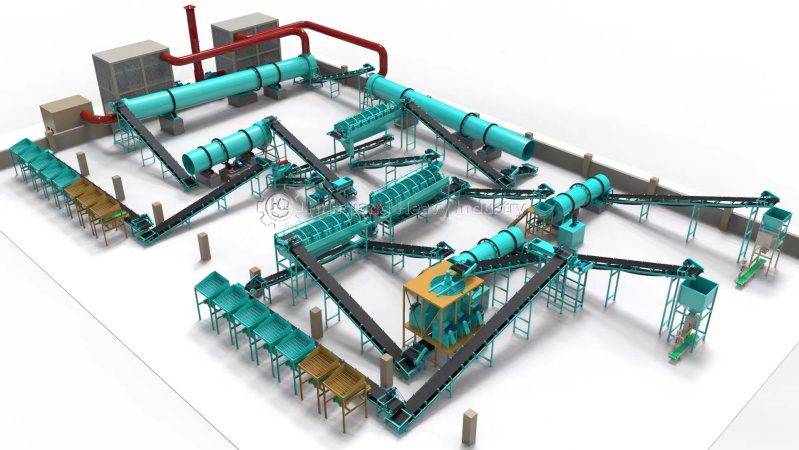
Bio-organic fertilizer production lines need to be equipped with a precise ingredient mixing system for adding functional bacteria, humic acid, amino acids, and other auxiliary materials; the mixing system must ensure uniform mixing to guarantee consistent distribution of live bacteria; and dust and odor removal equipment is also necessary to meet environmental protection requirements.
Small-scale bio-organic fertilizer production lines offer moderate investment, high finished product prices, and large profit margins, making them particularly suitable for high-end fruit and vegetable, tea, and medicinal herb cultivation areas—a high-value-added segment of the organic fertilizer industry.