
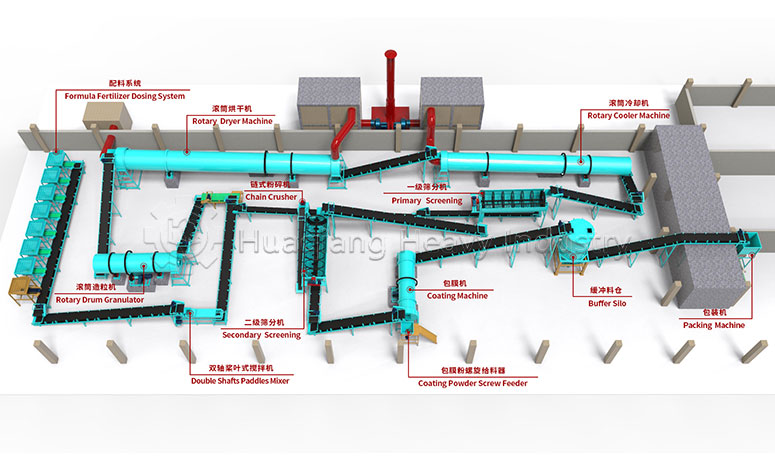
Have you ever wondered what kind of technological wizardry happens inside fertilizer plants—the kind that quietly fuels the world’s rising harvests year after year? Step into a modern fertilizer facility, and you’ll immediately sense a rhythm of order and precision. A high-accuracy batching system gently blends nitrogen, phosphorus, and potassium like a meticulous pharmacist; then the powder glides into a massive rotary drum granulator, where tumbling drums transform it into plump, uniform pellets. Next, a drum fertilizer dryer wraps them in warm air, a cooler brings down their temperature, and a screener vibrates rhythmically, allowing only the perfect granules to march toward the packaging line. This entire NPK compound fertilizer production line performs like a well-rehearsed orchestra—every piece of equipment hits its notes with grace and synchronicity.
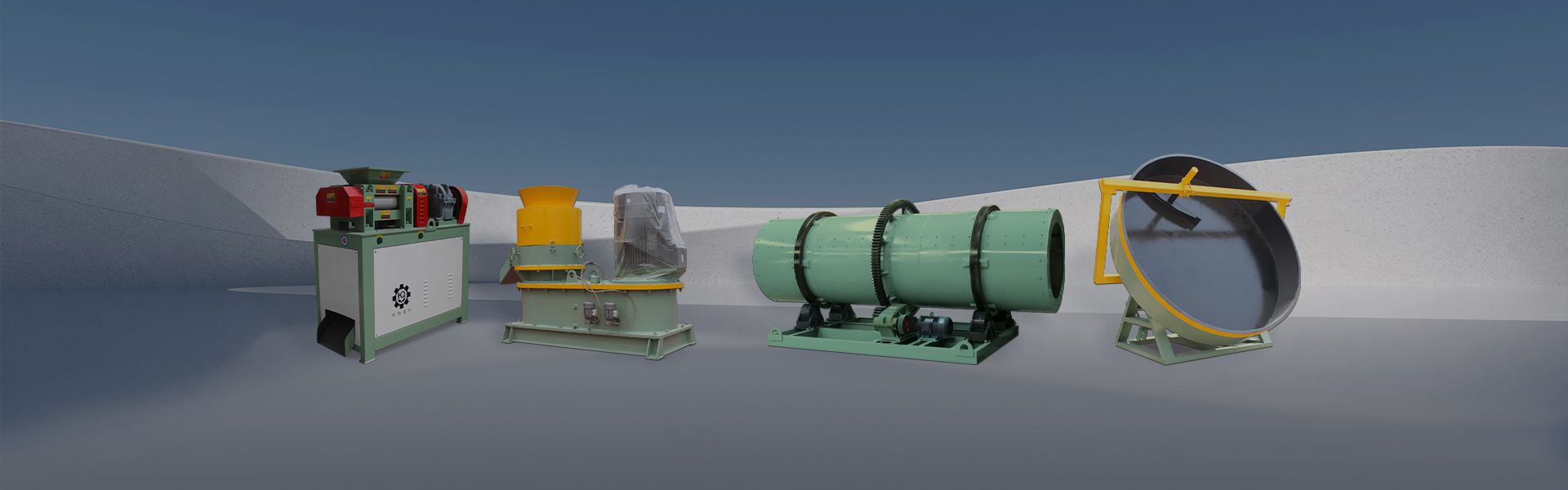
Yet, a solo performance by an NPK line can’t satisfy the diverse appetite of modern agriculture. Different soils, climates, and crops crave tailored nutritional profiles. That’s where other fertilizer machines take the stage: organic fertilizer lines transform manure and straw into humus-rich “black gold,” granting long-term vitality to the soil; bulk blending (BB) units act like inventive mixologists, flexibly combining large granules to match any agronomic recipe; and then there are water-soluble fertilizer systems, coating & controlled-release equipment, liquid blending stations—each with its own superpower. Together, they weave a complete ecosystem of fertilizer solutions.
This synergy of diverse equipment unlocks vast possibilities for manufacturers. Inside one facility, they can seamlessly switch from conventional NPK to organic-inorganic hybrids, slow-release formulas, or even bio-stimulant blends. More importantly, these machines aren’t isolated islands: waste heat is recycled, dust is captured centrally, packaging lines are shared—energy consumption and emissions drop dramatically. Some producers have gone a step further, linking their organic and NPK lines so that the natural adhesiveness of organic matter improves granulation, while beneficial microbes are added to create a “one-stop meal” for the soil—fast-acting nutrition wrapped in long-term organic care.
With Industry 4.0 sweeping through fertilizer plants, this equipment is getting smarter. Sensors monitor moisture, temperature, and hardness in real time; a central control system—like a true conductor—adjusts steam flow, drum speed, and airflow to ensure every tonne of fertilizer meets exacting standards. From large agribusinesses to smallholder farmers, everyone benefits from this precision and consistency: crops develop stronger roots, grains fill more completely, and the land stays resilient.
From tiny granules to vast golden fields, the NPK production line and its companion equipment together compose a modern agricultural marvel. They are more than steel and motors—they are a bridge between technology and nature, weaving industrial rigor with the earth’s gentleness. Next time you gaze upon a sweeping wheat field, listen carefully: you might just catch the faint, magnificent notes of a “harvest concerto” drifting from the fertilizer plant.