
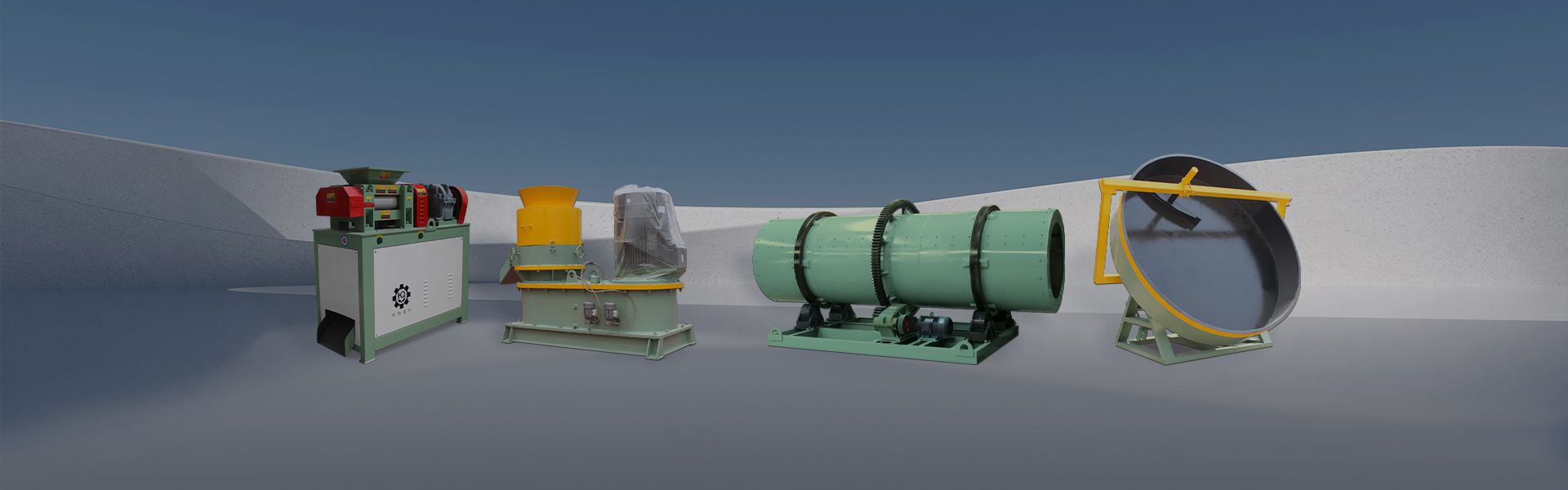
From turning to fermentation, the core of organic fertilizer production is shifting from simple physical oxygen supply to precise regulation of the microbial community. Advances in fermentation composting turning technology and fertilizer composting turning machine equipment have injected new technological content into the fertilizer manufacturing process, while breakthroughs in bio-organic fertilizer production technology have simultaneously improved the composting cycle, the degree of harmlessness, and the stability of fertilizer efficacy.
Traditional Turning: Limitations of Physical Oxygen Supply
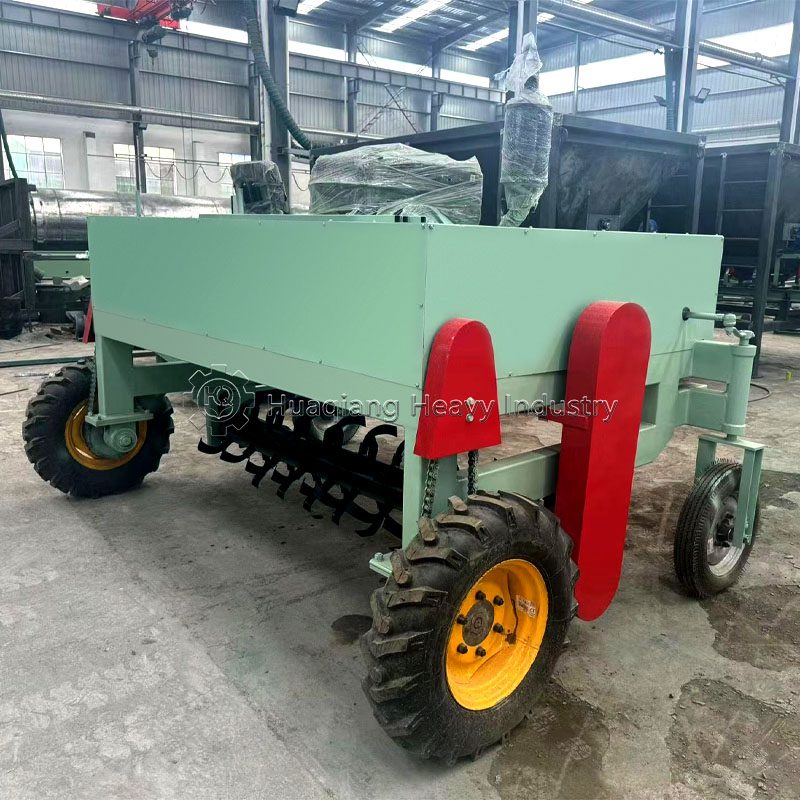
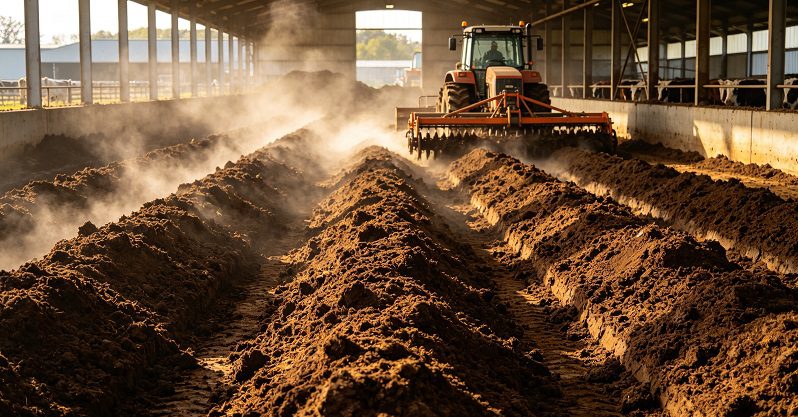
Traditional aerobic composting relies on periodic turning with a composting machine to increase the oxygen content of the compost pile and regulate temperature and moisture. However, simple turning only solves the “oxygen supply” problem and cannot directionally regulate the microbial community structure. Slow pile heating, uneven composting, and significant nitrogen loss have become bottlenecks restricting the quality of organic fertilizer.
Microbial Agents: From Natural Fermentation to Targeted Regulation
The core of this new advancement lies in the introduction of compound microbial agents into bio-organic fertilizer production technology. Inoculating the compost pile with a complex microbial community including Bacillus subtilis, actinomycetes, and yeast during the initial composting stage can rapidly establish a dominant microbial community and accelerate the decomposition of lignin and cellulose. Studies show that adding this complex microbial agent can shorten the time it takes for the compost pile to reach 55°C by 2–3 days, reduce the maturation period from 20 days to 12–15 days, and increase the organic matter degradation rate by more than 15%. Fermentation composting turning technology has also been upgraded from simple turning to a synergistic operation of “turning + microbial agent supplementation + moisture adjustment,” with the turning timing dynamically adjusted based on temperature curves and oxygen concentration, rather than a fixed number of days.
Intelligent Monitoring: Making Microorganisms “Visible” Modern organic fertilizer plants are now equipped with temperature, oxygen, carbon dioxide, and ammonia sensors to monitor the activity of microorganisms in the compost pile in real time. When the oxygen concentration is below 10% or the temperature exceeds 65°C, the system automatically activates the fertilizer composting turning machine equipment to turn the pile. This “data-driven turning” mode keeps aerobic fermentation within its optimal range, avoiding the foul odors and nitrogen loss caused by anaerobic fermentation.
Enzyme Preparations and Metabolic Regulation: Next Steps
Frontier research focuses on adding cellulase, protease, and urease inhibitors to further accelerate the decomposition of recalcitrant organic matter while reducing ammonia volatilization. Some fertilizer manufacturing processes have experimented with introducing functional strains in the later stages of fermentation, enabling the finished organic fertilizer to possess both growth-promoting and disease-resistant functions, achieving an upgrade from “fertilizer” to “biological agent.”
Conclusion
From composting to fermentation, microbial regulation technology in organic fertilizer production is transitioning from experience to science. Fermentation composting turning technology and fertilizer composting turning machine equipment form the hardware foundation, while compound microbial agents, intelligent monitoring, and enzyme preparation regulation are the software core. Only by combining both can the goal of rapid, thorough, harmless, and stable bio-organic fertilizer production technology be achieved. For organic fertilizer companies, grasping this key aspect of microbial regulation means grasping the initiative in product differentiation and cost reduction/efficiency improvement.