
In the world of organic fertilizer and biomass processing, traditional crushers often fail when faced with high-moisture, fibrous, or sticky materials. The cage crusher stands out as a specialized solution, using high-speed impact rather than cutting to efficiently reduce challenging feedstocks like manure, sludge, and straw.
How It Works: The Science of Impact Crushing
At its heart is a high-speed rotating “cage” rotor, consisting of concentric rings of steel pins. Material fed into the center is violently thrown outward by the inner pins, colliding with subsequent pin layers and other particles. This multi-stage, high-velocity impact causes size reduction through sheer kinetic energy.
- Central Feeding
- High-Speed Acceleration
- Multi-Layer Impact
- Uniform Discharge
Key Takeaway: It’s a screenless process. The absence of a discharge screen is its superpower, eliminating the primary cause of clogging when processing wet or stringy materials.
Why Choose a Cage Mill? The Clear Advantages
| Feature | Cage Crusher |
| Moisture Tolerance | Excellent (Handles 30-50% moisture) |
| Fibrous Material Handling | Exceptional (No wrapping) |
| Maintenance & Wear | Lower Cost (Pins are reversible, simple structure) |
| Particle Size Control | Adjustable via speed or pin gap |
Its robust, simple design translates to higher uptime and lower operating costs in demanding organic waste processing environments.
Ideal Applications in Fertilizer & Recycling
The cage crusher is the perfect primary crusher for materials that would choke other equipment. It is commonly used as the first size reduction step in:
Livestock & Poultry ManureMunicipal/Industrial SludgeAgricultural Straw & StalksFood Processing WasteBiofuel Feedstock PreparationCompost Pre-processing
By creating a uniform, smaller particle size, it dramatically improves the efficiency of downstream processes like mixing, composting, and granulation.
Operation & Selection Considerations
For Optimal Performance:
Start empty, feed evenly: Always begin operation at full speed before introducing material, and maintain a consistent feed rate.
Mind the contaminants: While robust, removing large stones and metals extends the life of the cage pins.
Monitor wear: The steel cage pins are the main wear parts. Regular inspection and rotation/ replacement are simple maintenance tasks.
When Selecting a Machine: Key factors include the moisture content and fiber level of your primary feedstock, desired hourly capacity, and target particle size for your next process step.
Role in the Fertilizer Production Line: The “Pathfinder” in Pre-treatment
In a complete organic or compound fertilizer production line, the cage mill is typically positioned at the very beginning of the process, acting as the “pathfinder”:
Raw Material Reception: e.g., fresh livestock manure, municipal sludge, straw bales.
Primary Crushing (Cage Mill): Reduces lumpy, agglomerated raw materials to a size suitable for subsequent composting or mixing (typically 5-20mm).
Composting/Mixing: The crushed material has a larger surface area, facilitating microbial fermentation or uniform mixing with other ingredients.
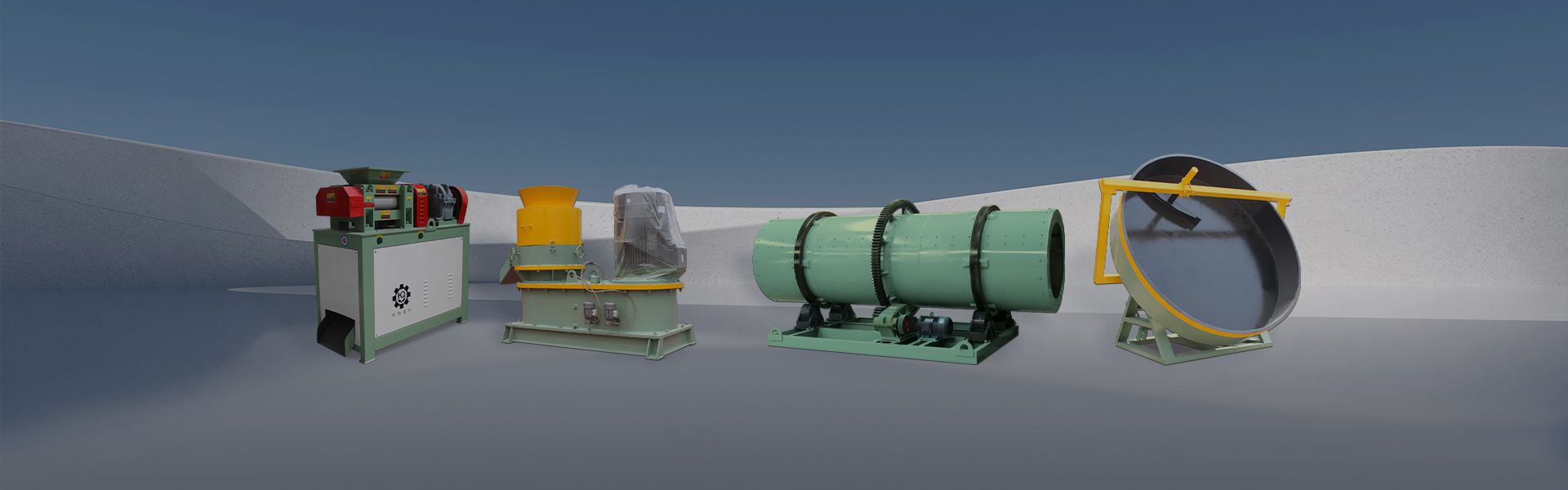
Subsequent Processing: Proceeds to disc granulator, drum fertilizer dryer, packaging, etc.
Its crushing efficiency directly impacts the composting rate, mixing homogeneity, and final product quality.
Conclusion: The Strategic First Step
In the journey to transform organic waste into valuable fertilizer or fuel, efficient and reliable preprocessing is non-negotiable. The cage mill solves the most common bottleneck—crushing wet, sticky, and fibrous materials—with a elegantly simple, impact-based solution. For producers serious about maximizing uptime and processing a wide range of challenging feedstocks, incorporating a cage mill is a foundational step towards a smoother, more productive operation.