
In organic fertilizer production, the fermentation and composting of livestock and poultry manure is the most time-consuming and technically demanding step. Traditional natural composting takes 60-90 days and is prone to odor and significant loss of fertilizer efficiency. By scientifically controlling the carbon-nitrogen ratio, moisture, oxygen, and temperature, the fermentation cycle can be compressed to 15-20 days, while producing odorless, harmless, and highly mature high-quality organic fertilizer raw materials. This article analyzes the core technologies and practical points of rapid fermentation of livestock and poultry manure.
Step 1: Adjusting the Carbon-Nitrogen Ratio (C/N) – The “Nutritional Meal” for Microorganisms
Livestock and poultry manure has a high nitrogen content and a low carbon content. Sole fermentation easily leads to ammonia volatilization and pervasive odor. Taking chicken manure (C/N approximately 10) as an example, high-carbon auxiliary materials such as straw, rice husks, and sawdust need to be added to adjust the overall C/N ratio to the ideal range of 25-30:1. It is recommended to add 200-300 kg of crushed straw (2-5 cm in length) per ton of fresh chicken manure. This mixture will be loose and well-aerated, providing balanced nutrition for microorganisms.
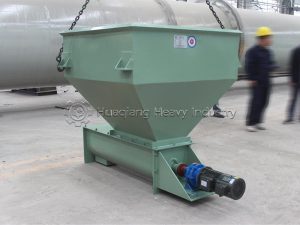
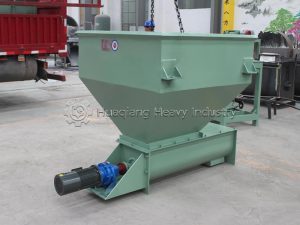
Step Two: Control Moisture Content – Forms a clump when squeezed, crumbles when dropped. Moisture is a key medium for aerobic fermentation. Too high a moisture content (>70%) will clog pores, leading to anaerobic odor; too low a moisture content (<40%) will inhibit microbial activity. The ideal moisture content is 55%-65%, judged by the feeling that it “forms a clump when squeezed, but crumbles when dropped.” Fresh chicken manure typically has a moisture content of around 75%, requiring the addition of dry additives or sun-drying to reduce moisture; cow manure has a moisture content of about 80%, requiring pre-treatment with a screw extruder dewatering machine.
Step Three: Add Fermentation Agent – A “Catalyst” for Accelerated Heating. The addition of exogenous agents can significantly shorten the fermentation start-up time. Evenly spraying 0.5-1 kg of a dedicated fermentation agent (diluted) per ton of raw material can raise the temperature of the compost pile to above 55℃ within 24-48 hours. The synergistic effect of the complex microbial community, including Bacillus subtilis and yeast in the fermentation agent, rapidly decomposes organic matter and inhibits the growth of putrefactive bacteria.
Step 4: Turning and Oxygenation – Maintaining an Aerobic Environment
Aerobic microorganisms require sufficient oxygen. Use a turning machine to turn the compost every 1-2 days, turning the surface material inwards and the bottom material to the surface, ensuring even oxygen distribution. Turning also dissipates heat and moisture, preventing the compost pile temperature from exceeding 70℃ (high temperatures kill beneficial bacteria). Both trough-type and chain-plate type turning machines can meet the needs of small production lines.
Step 5: Temperature Monitoring – Maintaining High Temperature for 5-7 Days
Fermentation temperature is a direct indicator of progress. The compost pile temperature should rise above 55℃ within 3 days and be maintained for 5-7 days. This stage effectively kills pathogens such as E. coli and roundworm eggs, as well as weed seeds. When the temperature exceeds 70℃, immediately turn the compost pile to cool it down. When the temperature naturally drops below 40℃, and the compost pile turns dark brown, has no odor, and has a fresh earthy aroma, it indicates that fermentation is complete. Quick Solutions to Common Problems
Smelly Compartment:This is often due to excessive moisture or insufficient turning. Immediately add dry additives and increase the turning frequency.
Slow Heating:This may be due to a C/N imbalance or insufficient microbial agent. Add high-nitrogen materials (such as chicken manure) or re-spray the microbial agent.
Fly and Mosquito Breeding:Cover the surface of the compost pile with 5-10cm of well-rotted material or fine soil to disrupt their breeding environment.
From fresh manure to well-rotted compost, rapid fermentation in 15 days is not difficult. Mastering the four key control points of C/N ratio, moisture, oxygen, and temperature, combined with the use of turning equipment and microbial agents, will make your livestock manure treatment more efficient, environmentally friendly, and economical. Welcome to contact us for customized fermentation process solutions.
The five-step rapid fermentation process relies on effective fermentation composting turning technology. The choice of turning equipment is critical for maintaining an aerobic environment. For large-scale, open-air windrow operations, a large wheel compost turner or windrow composting machine provides powerful and flexible aeration. For more controlled, intensive processing, trough-type aerobic fermentation composting technology is the standard, utilizing a trough-type compost turner (or trough type composting turner) or a robust chain compost turner that moves along fixed rails. A double screws compost turning machine offers gentle yet thorough mixing, ideal for preserving the pile structure. These machines function as a highly efficient agriculture waste compost fermentation machine. Mastering the core principles of C/N ratio adjustment, moisture control, and temperature monitoring is essential, but the practical implementation of turning—the frequency and depth—is executed by the chosen fermentation composting turning technology. Whether using a windrow composting machine for open-air flexibility or a trough-type compost turner for controlled, high-efficiency production, the goal is the same: to maintain a consistent aerobic environment that shortens the fermentation cycle to 15-20 days. This systematic approach to fermentation composting technology ensures that the agriculture waste compost fermentation machine operates at peak efficiency, transforming raw manure into a stable, mature, and odorless organic fertilizer base.