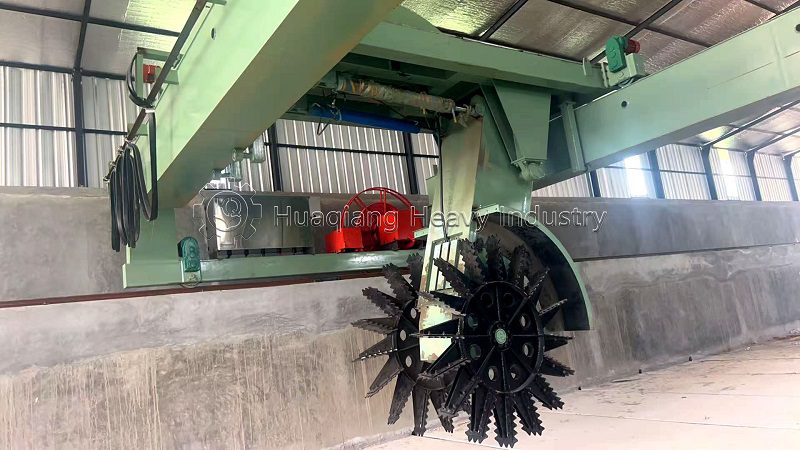
As a key piece of equipment for the resource utilization of organic waste, the scientific and innovative nature of compost turners’ technical principles directly affects the production efficiency and quality of organic fertilizer. From the initial manual turning to today’s mechanized and intelligent operations, the development of compost turners has witnessed the continuous progress of agricultural waste treatment technology. A deeper understanding of its technical principles and innovative directions will help us better understand the core value of this “green equipment.”
The working principle of compost turners is based on the biological characteristics of aerobic fermentation. Aerobic microorganisms consume a large amount of oxygen during the decomposition of organic materials, while simultaneously producing heat, water, and carbon dioxide. If the compost pile is poorly ventilated and oxygen supply is insufficient, anaerobic fermentation will occur, producing malodorous gases such as hydrogen sulfide and ammonia, which not only affects the quality of organic fertilizer but also causes environmental pollution. The compost turner, through the turning and stirring actions of its mechanical device, breaks down the dense structure of the compost pile, allowing air to fully enter the interior of the pile, providing sufficient oxygen supply for aerobic microorganisms, and promoting the rapid decomposition and maturation of organic materials.
During the turning process, the compost turner can also achieve dynamic temperature and humidity control. The heat generated during microbial fermentation increases the temperature of the compost pile. The optimal fermentation temperature is 55-65℃, a temperature range that both accelerates microbial activity and kills pathogens, insect eggs, and weed seeds in the compost pile. When the temperature of the compost pile is too high, the turner moves the deep, high-temperature material to the surface through the turning action, allowing it to fully contact the air for heat dissipation; when the humidity of the compost pile is insufficient, water can be added through the equipment’s sprinkler system to ensure the smooth progress of the fermentation process. In addition, the stirring action of the turner makes the nutrients in the material more evenly distributed, improving the overall quality of the organic fertilizer.
Different types of compost turners have certain differences in their technical principles. Hydraulic compost turners use a hydraulic drive system, which converts the pressure energy of hydraulic oil into mechanical energy through a hydraulic pump to drive the turning shaft to rotate. Hydraulic drive systems offer advantages such as powerful performance, smooth operation, and convenient speed control, allowing for flexible adjustment of turning speed and depth based on material characteristics and fermentation stage, making them suitable for various complex fermentation scenarios. The double-helix composting turning machine utilizes the helical angle and rotational speed of the double helix to generate a composite axial and radial motion, transporting material from the bottom upwards and spreading it to the sides, achieving deep turning and uniform mixing of the material. This effectively solves the problems of uneven turning and low efficiency associated with single-helix turning machines.
The core technology of the windrow composting turning machine lies in the coordinated operation of the walking system and the turning device. The equipment uses a crawler or wheeled walking mechanism, allowing it to move freely on windrow-shaped piles. The turning device uses rotating teeth to loosen and mix the pile material. Its innovation lies in eliminating the need for fixed fermentation tanks, reducing infrastructure investment, while offering a wide operating range and high flexibility, making it particularly suitable for small and medium-sized organic fertilizer production enterprises and organic waste treatment in rural areas. The chain-type composting turning machine uses a chain to drive the turning teeth. The turning teeth are made of high-strength wear-resistant materials, effectively breaking up material clumps and enhancing the turning effect. It also has strong adaptability to pile height and width, capable of handling fermentation piles of different specifications.
In recent years, technological innovations in composting turning machines have mainly focused on intelligence, efficiency, and environmental protection. In terms of intelligence, by installing sensors, controllers, and IoT modules, real-time monitoring of parameters such as pile temperature, humidity, and oxygen content is achieved. The equipment can automatically adjust the turning frequency, depth, and speed based on the monitoring data, enabling precise fermentation. Some high-end equipment also supports remote control and fault warning functions, greatly improving equipment operation and maintenance efficiency. In terms of efficiency, by optimizing the equipment structure design, using high-power drive systems and efficient turning devices, the operating efficiency of the equipment is improved, and energy consumption is reduced. For example, large-wheeled composting turning machines reduce the pressure on the ground by increasing the wheel diameter and contact area, while increasing walking and turning speeds, significantly improving production efficiency. In terms of environmental protection, by adding dust covers, deodorizing devices, and other accessories, the emission of dust and malodorous gases during operation is reduced, minimizing the impact on the environment. Furthermore, making equipment materials more environmentally friendly has become a direction for innovation. The use of recyclable and corrosion-resistant green materials reduces environmental pollution after equipment is decommissioned.
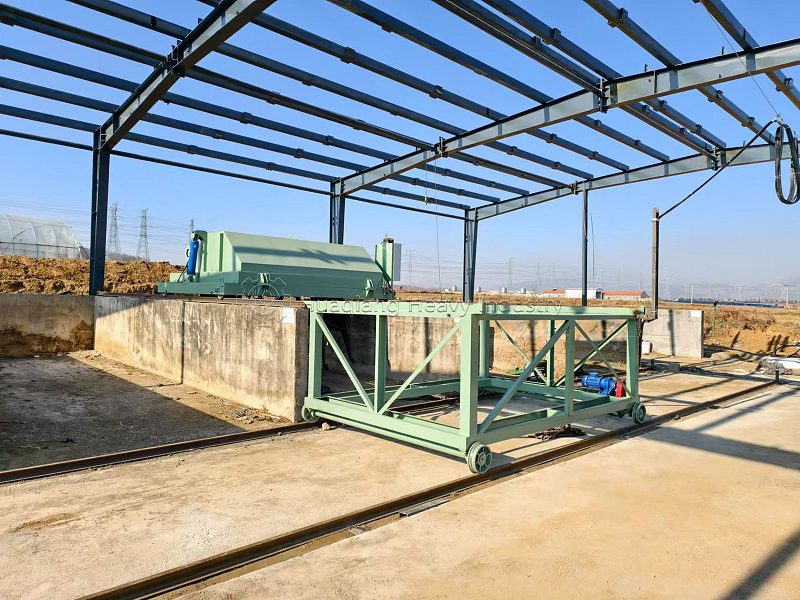
With increasingly stringent environmental policies and the urgent need for green agricultural development, technological innovation in composting turning machines will continue to accelerate. In the future, combining advanced technologies such as artificial intelligence and big data, composting turning machines will achieve more precise fermentation control and more efficient operating processes, while also making greater breakthroughs in energy saving, consumption reduction, and environmental protection, providing stronger technical support for the resource utilization of organic waste and sustainable agricultural development.
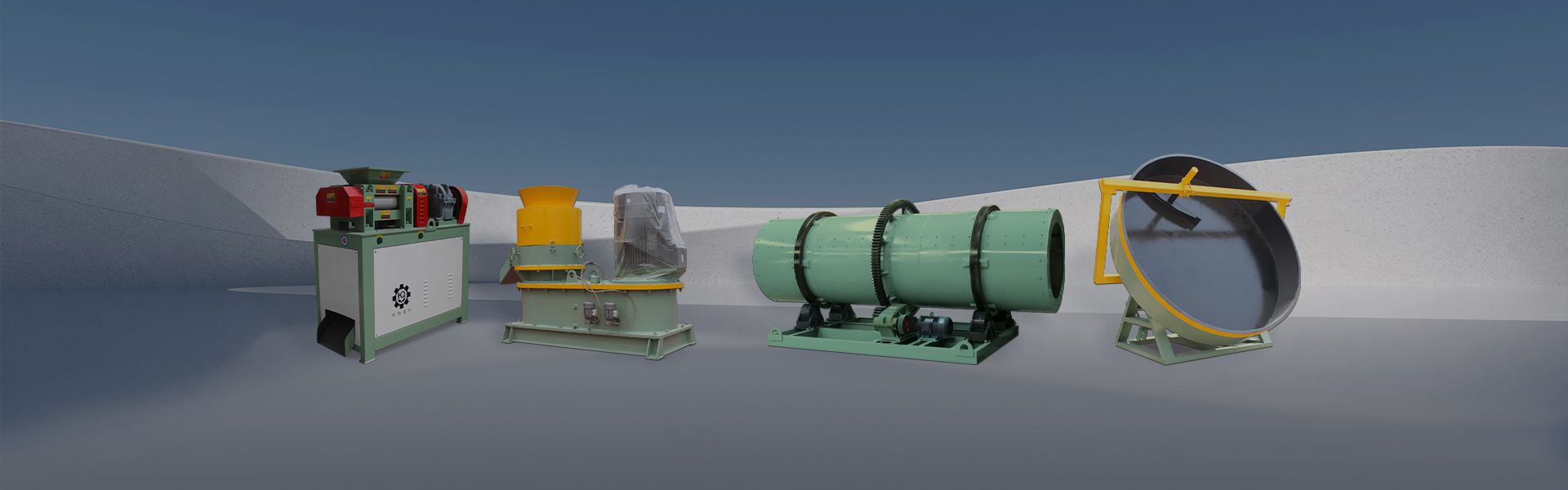
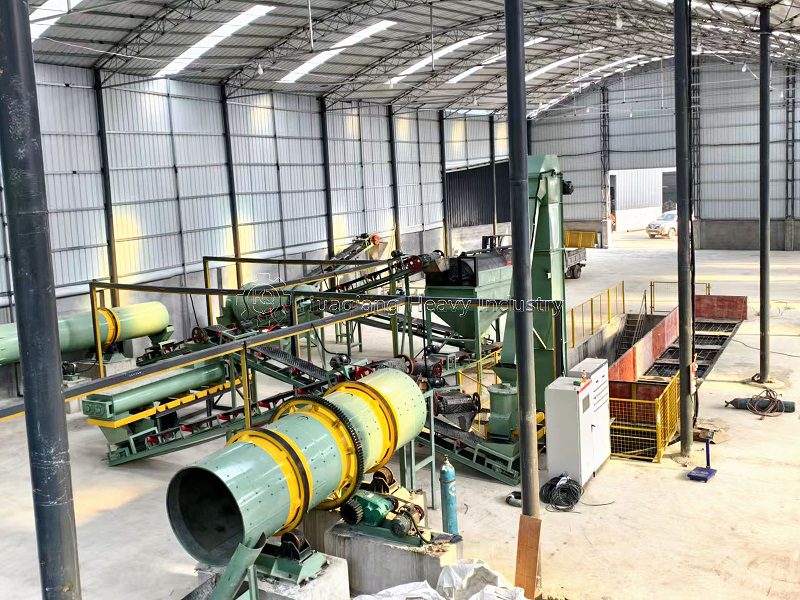
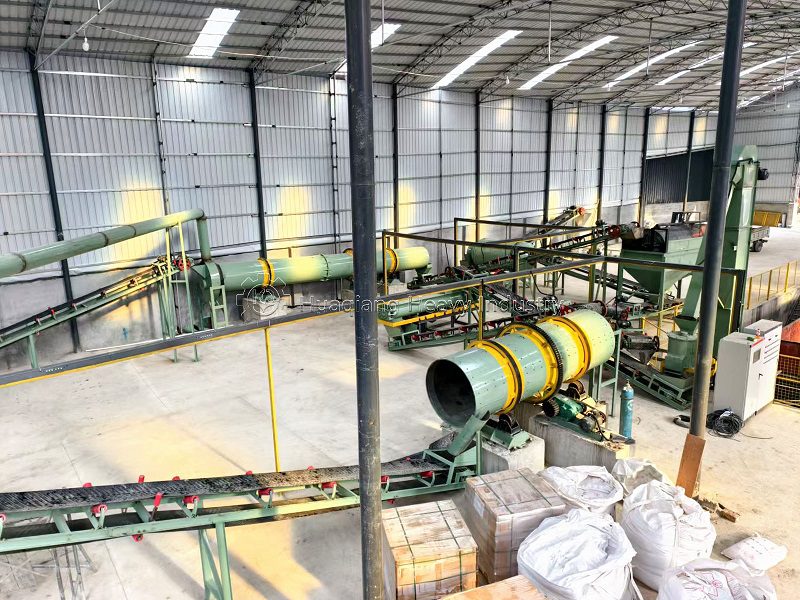
The core fermentation composting technology for organic fertilizer is embodied in various advanced turners. For large-scale outdoor operations, a large wheel compost turner or a self propelled compost production machine efficiently manages windrows. For more controlled environments, trough-type aerobic fermentation composting technology utilizes specialized equipment like a chain compost turning machine. Collectively, this advanced fermentation composting turning technology is the primary function of an agriculture waste compost fermentation machine. Following complete decomposition, the cured compost becomes a key input for fertilizer production. It can be shaped using a disc granulation production line for organic granules, or it can be blended with mineral nutrients to enter an npk fertilizer production process utilizing a rotary drum granulator. The complete set of equipments required for biofertilizer production thus integrates these composting and granulation technologies, forming a seamless system that transforms raw waste into stable, valuable fertilizer products.