
Basic Principles of Aerobic Fermentation: The essence of organic fertilizer fermentation is the process of decomposing organic matter using aerobic microorganisms. Under sufficient oxygen conditions, microorganisms multiply rapidly, breaking down large organic molecules in manure and straw into smaller humic molecules, while simultaneously releasing heat to raise the temperature of the compost pile to 55-70℃, effectively killing pathogens, parasite eggs, and weed seeds. The key to this process is “oxygen supply.” Once oxygen is lacking, it will switch to anaerobic fermentation, producing foul odors such as hydrogen sulfide and ammonia, and extending the fermentation cycle several times over.
Fermentation Four-Step Process:
Step 1: Raw Material Pretreatment. Mix livestock and poultry manure with auxiliary materials (straw, rice husks, mushroom residue, etc.) in a specific ratio, adjusting the carbon-to-nitrogen ratio to 25-30:1 and the moisture content to 55%-65%. A carbon-to-nitrogen ratio that is too low will lead to ammonia volatilization loss, while a ratio that is too high will result in slow heating. Moisture content can be judged using the “clump formed when squeezed, crumbles upon impact” method: Squeeze a handful of material; water should be visible between your fingers but not dripping. If the clump crumbles easily upon contact with the ground, the moisture content is suitable. The particle size should be controlled between 1-5 cm; excessively long fibers should be crushed first.
Step Two: Pile Construction and Start-up. Pile the mixture into trapezoidal windrows, with a base width of 1.5-3 meters, a top width of 0.8-1.5 meters, and a height of 1.2-1.5 meters; the length is unlimited. Overly large piles will result in compaction and oxygen deficiency, while underlying piles will have poor heat retention. When the air temperature is below 10℃, cover with old greenhouse film or add 5%-10% well-rotted recycled material as a “fermentation starter” to accelerate temperature rise. If available, inoculate with a special microbial agent (0.05%-0.1%) to shorten the temperature rise time.
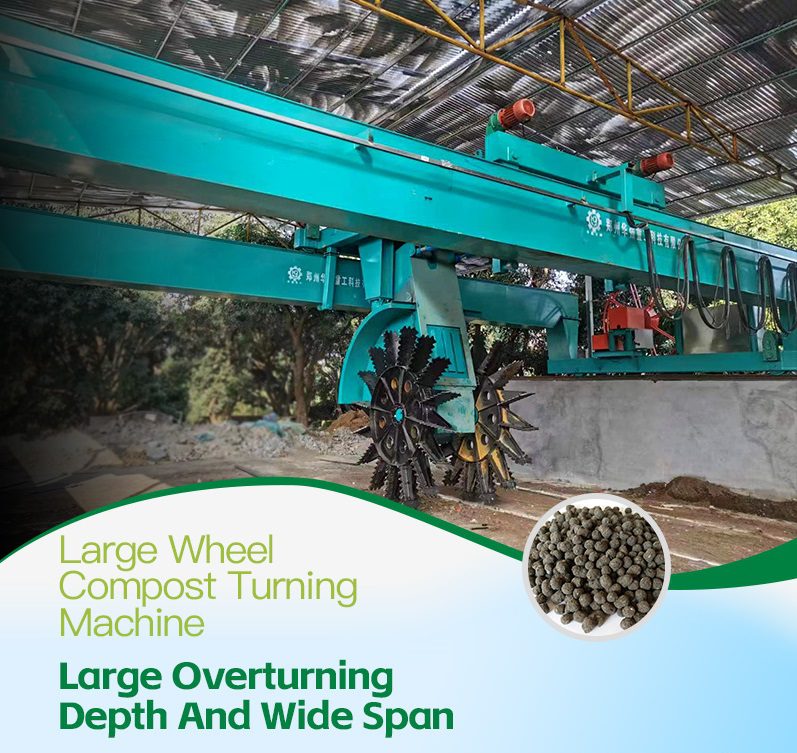
Step Three: Turning, Aeration, and Temperature Control. Turning is the core operation of fermentation management. Initial Temperature Rise (1-3 days): Generally, do not turn; allow the pile to heat up naturally. High-temperature period (4-15 days): After the pile temperature rises above 60℃, turn the pile every 2-3 days. If the temperature exceeds 70℃, turn it immediately to prevent burning microorganisms. Cooling and composting period (15-30 days): After the pile temperature drops below 40℃, turn the pile 1-2 times per week to promote moisture evaporation and humification. The frequency of turning should be adjusted flexibly: in winter, to maintain warmth, turn the pile less frequently; in summer, to prevent overheating, turn the pile more frequently; for fibrous materials such as cow dung, which are relatively loose, turn the pile less frequently; for sticky materials such as chicken dung, turn the pile more frequently.
Step 4: Determining compost maturity. Qualified fermented material is dark brown, has no fecal odor, and has a fresh earthy aroma; the pile temperature is stable and consistent with the ambient temperature; it is soft and not sticky to the touch, with a pH value of 6.0-8.0; the seed germination index is greater than 70%, indicating no plant toxicity.
Practical Tips to Improve Fermentation Efficiency
Adding Return Material: Mix 20%-30% of the already decomposed finished product with the new material. This is equivalent to inoculating with “native bacteria,” which can shorten the time to reach the desired temperature by 2-3 days.
Insulation and Moisture Retention: In winter or dry areas, the outer layer of the windrows can easily become dry and cold. Spray water appropriately during turning, or cover the sides with straw bags for insulation.
Fly and Odor Control: The ammonia and other odors produced in the early stages of fermentation easily attract flies. Cover the surface with a 2-3 cm layer of dry soil or decomposed material after turning for physical isolation.
Site Requirements: The fermentation area should have a hardened ground and drainage ditches to prevent rainwater from seeping in and causing the pile to become too wet. A simple rain shelter can be installed on top to prevent rainwater from getting wet.
Pile Not Heating: Check if the carbon-to-nitrogen ratio is too high (add a nitrogen source such as urea) or if the moisture content is too low (add water to replenish moisture).
Excessive Ammonia Odor: The carbon-to-nitrogen ratio is too low; add high-carbon auxiliary materials such as straw or rice husks.
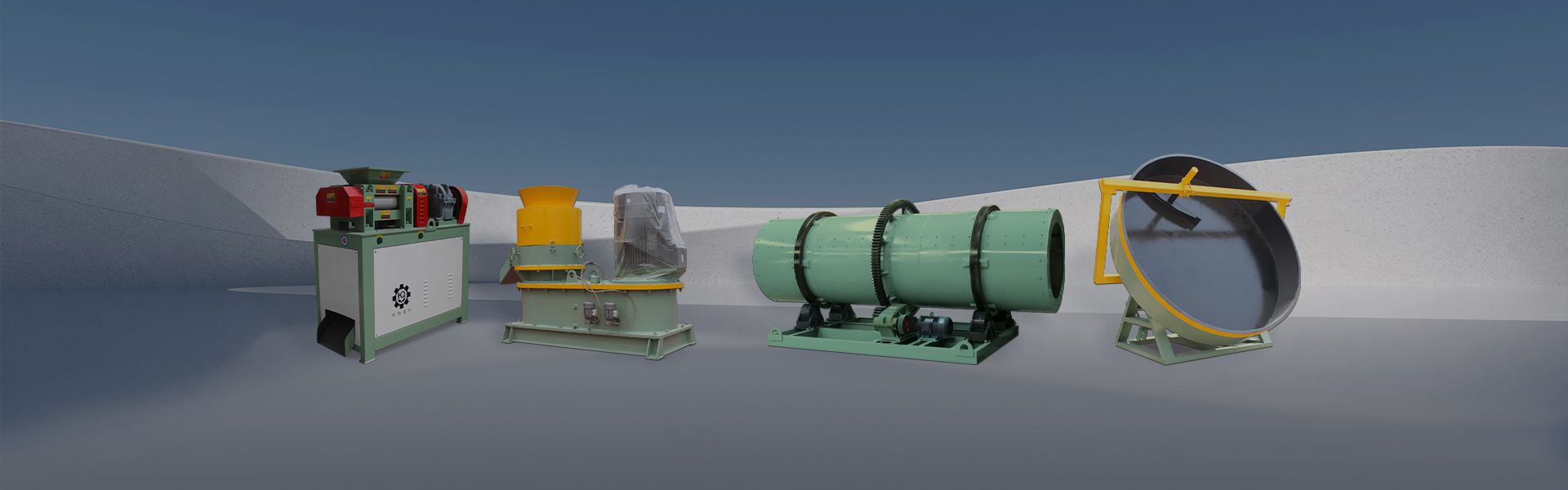
The four-step fermentation process—pretreatment, pile construction, turning/temperature control, and maturity determination—is the essence of fermentation composting turning technology. The choice of turning equipment—a large wheel compost turner for large windrows, a windrow composting machine for flexible operation, or a trough-type compost turner for controlled environments—directly impacts oxygen supply, temperature regulation, and moisture removal. A trough-type aerobic fermentation composting technology system with a dedicated turner is ideal for controlled, continuous production. The agriculture waste compost fermentation machine is the core of this process. Key parameters: C/N ratio 25-30:1, moisture 55%-65% (“clump formed when squeezed, crumbles upon impact”), pile dimensions (base 1.5-3 m, top 0.8-1.5 m, height 1.2-1.5 m). Turning strategy: initial heating (1-3 days, no turn), high-temperature period (4-15 days, turn every 2-3 days, cool if >70°C), cooling period (15-30 days, turn 1-2 times/week). Practical tips: add 20%-30% decomposed material as “native bacteria” to shorten temperature rise time, cover with dry soil or decomposed material to control flies and odor, ensure drained, hardened ground with a rain shelter. Common problems: pile not heating (C/N too high or moisture too low), excessive ammonia odor (C/N too low, add straw), prolonged failure to decompose (insufficient turning, increase frequency). After successful composting, the mature material is ready for a disc granulation production line. Mastering the art of fermentation composting turning technology—temperature control, moisture retention, and frequent turning—is essential for producing high-quality organic fertilizer feedstock.
Prolonged Failure to Decompose: Insufficient oxygen supply during turning; increase the frequency of turning. A strong odor indicates anaerobic fermentation may have occurred; the compost should be turned over immediately and aeration increased.
The key to successful aerobic fermentation lies in “temperature control, water retention, and frequent turning.” If these three principles are followed effectively, qualified organic fertilizer raw materials can be produced even without complex equipment. For large-scale production, it is recommended to equip the compost turner with a trough or windrow compost turner, as their efficiency far exceeds that of manual labor.