
High-temperature straw composting technology (aerobic composting technology) is an important pathway for the resource utilization of straw, while fermentation composting turning technology and fertilizer composting turning machine equipment are the core support for achieving efficient, harmless, and stable production. Currently, there are three main technical routes for straw treatment: high-temperature aerobic composting, carbon-based fertilizer production, and ambient-temperature aerobic fermentation/open solid-state fermentation.
High-Temperature Straw Composting Technology (Aerobic Composting Technology) This technology relies on aerobic microorganisms to decompose the organic matter in straw. The pile temperature can rise to 55–65℃, which can kill pathogens and insect eggs within 5–7 days. Key control parameters are: carbon-to-nitrogen ratio 25–30:1, moisture content 50%–60%, and pH value 6.5–8.0. Among these, fermentation composting turning technology, through regular turning to replenish oxygen and regulate temperature and moisture, is the core link in ensuring uniform composting. The supporting fertilizer composting turning machine equipment includes trough-type compost turners, tracked-type compost turners, and wheel-type compost turners, which users can choose according to production capacity, site conditions, and material characteristics. The high-temperature composting cycle is typically 15–20 days, with the finished product having an organic matter content ≥45%, conforming to NY/T 525-2021 standard.Straw Charcoal-Based Fertilizer Production Technology
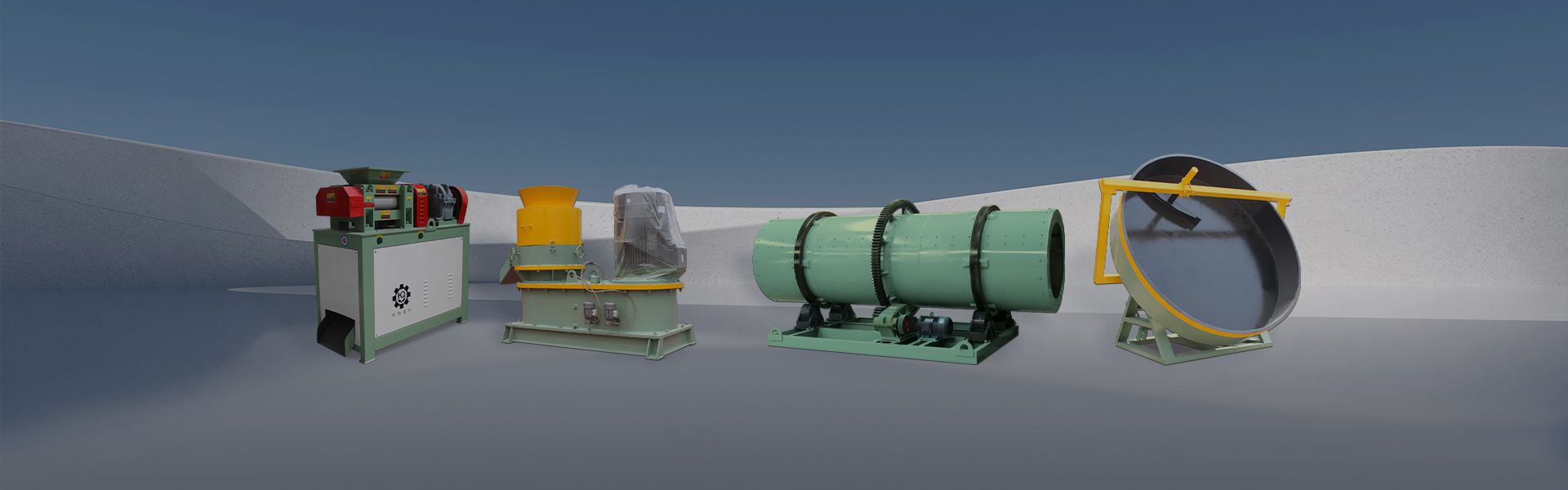
This route uses a pyrolysis process: straw is pyrolyzed under limited oxygen conditions at 400–600℃ to produce biochar, which is then mixed with livestock and poultry manure and binders in a specific ratio, and granulated by disc granulation or roller extrusion to produce charcoal-based fertilizer. Biochar is rich in stable carbon, has a well-developed porous structure, and can adsorb nutrients, improve soil, and achieve carbon sequestration. During mixing and granulation, the moisture content needs to be controlled: 25%–35% for disc granulation and 2%–4% for roller extrusion, with a finished particle size of 2–4 mm being ideal.
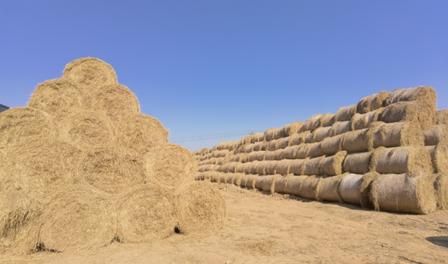
Straw Ambient Temperature Aerobic Fermentation/Open Solid-State Fermentation
This mode does not force heating, relying on natural microbial communities for slow decomposition at room temperature, suitable for small to medium-scale, low-cost scenarios. Open solid-state fermentation often uses windrow stacking, with periodic aeration provided by a turner. Compared to high-temperature composting, its fermentation cycle is longer (20–30 days), but energy consumption is lower and equipment investment is less. If the ambient temperature is low, the frequency of turning can be appropriately increased or an insulating film can be used.
Comparison of Three Routes and Selection Recommendations
From the perspective of core equipment, high-temperature aerobic composting mainly relies on a turner and aeration system; carbon-based fertilizer production requires a pyrolysis furnace, mixer, and granulator; ambient temperature aerobic fermentation mainly uses a turner and windrow stacks.
From the perspective of fermentation cycle, high-temperature aerobic composting typically requires 15–20 days; the pyrolysis stage of carbon-based fertilizer production only requires 2–4 hours, with subsequent mixing and granulation time calculated separately; ambient temperature aerobic fermentation has a longer cycle, approximately 20–30 days.
From an application perspective, high-temperature aerobic composting is suitable for large-scale projects with high requirements for harmlessness; carbon-based fertilizer production is suitable for projects pursuing high value and carbon sequestration; and ambient-temperature aerobic fermentation is suitable for small- to medium-scale, low-cost scenarios.
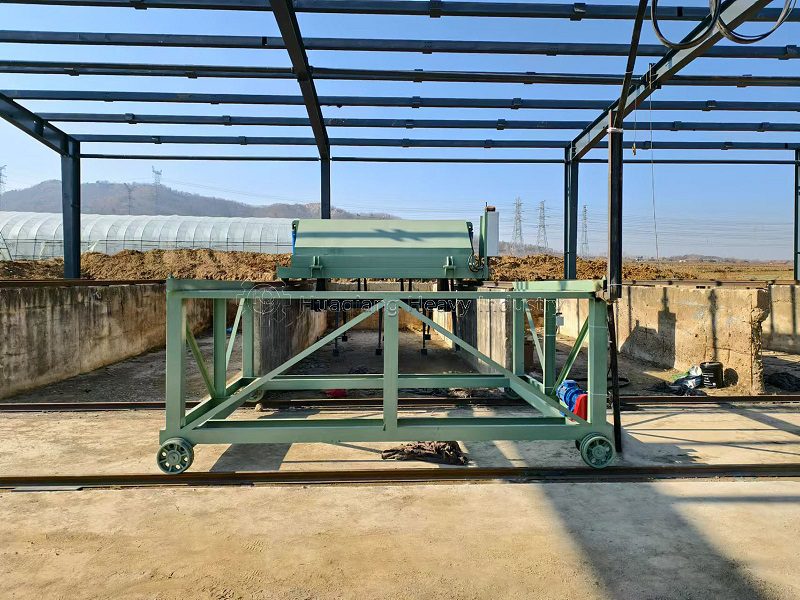
In summary, high-temperature straw composting technology focuses on rapid harmlessness, carbon-based fertilizer technology focuses on high value and carbon sequestration, and ambient-temperature fermentation focuses on low cost and ease of promotion. Regardless of the chosen route, fermentation composting turning technology and fertilizer composting turning machine equipment are crucial in determining fermentation efficiency and product quality. It is recommended to make a comprehensive decision based on raw material characteristics, production capacity targets, and investment budget, and conduct small-scale trials when necessary.