
Have you ever watched a machine turn rough grass powder into hard, uniform feed pellets? It feels like a magic trick—like witnessing a small industrial miracle.
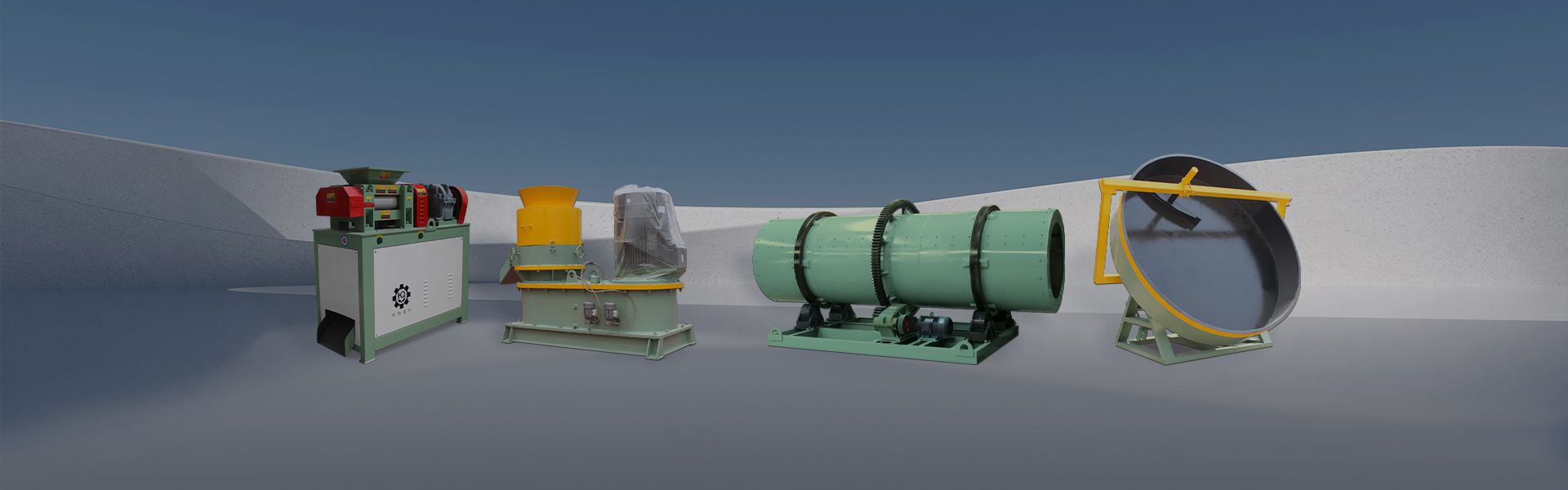
The scene that day was at a cattle and sheep farm. The concrete floor had been poured just a few days earlier, and the air still carried a faint smell of moisture. A flat die pellet machine was unloaded from the truck—silvery grey, square and solid, like a silent little steel giant. Beside it sat a multi-functional hammer mill, a horizontal single-shaft double-ribbon mixer, and a counterflow cooler with a simple packing scale. Just these few pieces of equipment made up a flexible small-scale production line.
The veteran installer knelt down first and leveled the base of the flat die mill with a spirit level. The working principle is straightforward: a flat, perforated steel die sits horizontally. Several rollers rotate across its surface, pressing the powder vertically through the die holes into cylindrical sticks, which are then sliced into pellets by a cutter. It’s precisely because of this simple design that flat die mills are so well suited for small and medium-sized farms—low investment, small footprint, and manageable by just a few people.
After leveling, it was time to “connect the dots.” A screw conveyor was installed between the crusher and the mixer, and the mixer’s outlet fed directly into the pellet mill’s hopper. The trickiest part was the electrical wiring. The installer crouched in front of the control cabinet, connecting signal wires one by one, occasionally glancing up at the diagram. “This line controls the powder feeder,” he said, “and that one runs the drum fertilizer cooler fan. Get one wrong, and the pellets are ruined.”
The counterflow cooler stood right next to the pellet mill, like an upside-down metal funnel. Freshly pressed pellets came out warm and needed to be cooled down immediately; otherwise, they would mold within days of storage. The packing scale sat at the end of the line—simple and practical. Just slide on a bag, press, and seal.
On commissioning day, the air was thick with anticipation. First, a no-load test. The motor hummed, and the flat die spun steadily. Then came the mixed grass powder—first ground to a fine meal by the hammer mill, then blended thoroughly in the mixer. The hopper fed the material slowly. The rollers bit into the powder. With a few crisp clicks, cylindrical pellets began falling from beneath the die—hard, uniform, with smooth cross-sections.
The cooler fan roared to life. Hot air vented from the top, and the pellet temperature dropped bit by bit. The operator scooped up a handful, sniffed, and smiled. “Now that’s what cattle and sheep will love.”
Someone asked: is this line worth it? The answer lies in those heavy, solid pellets. A flat die mill, paired with its brothers—the crusher, the mixer, the cooler, the packer—can free a farm from the passivity of buying feed. Mix your own formula. Press your own pellets. Take control.
If you have a farm, if you have corn, grass powder, or straw on hand, ask yourself: why not make your own feed and hold your own destiny?