
Premium WordPress theme for construction companies, contractors, builders, and a variety of other construction-related businesses.
-
28238 Kelsie Lane Apt. 451,
Port Annabelport
-
Call Us: (210) 451-123
(Sat - Thursday)
-
Monday - Friday
(10am - 05 pm)
Screw Conveyor

Equipment Introduction
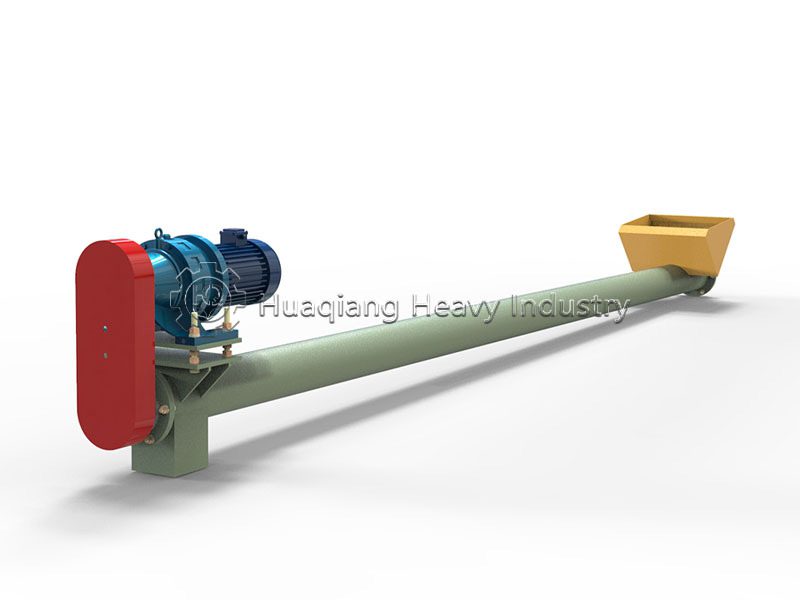
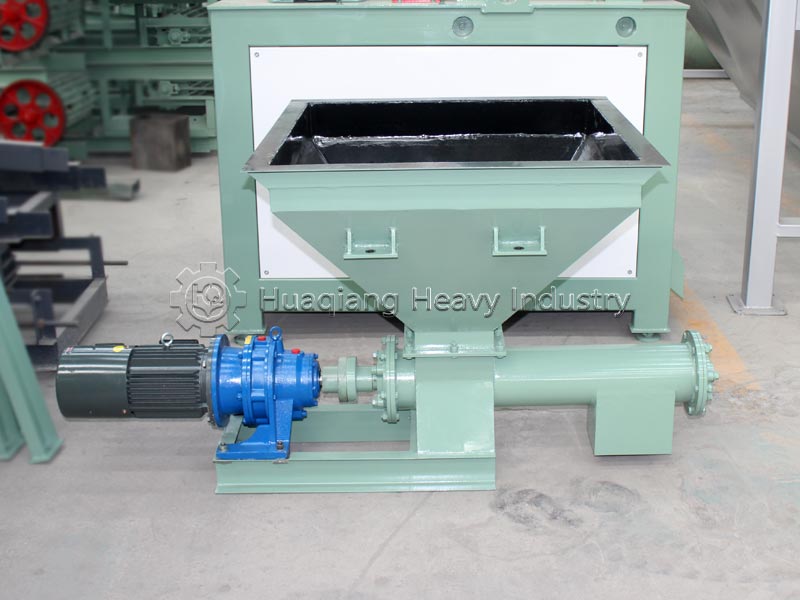
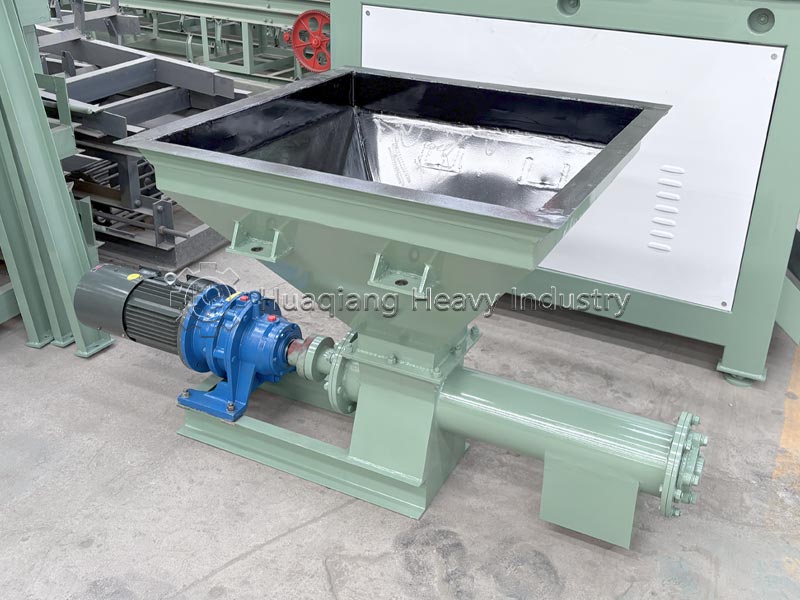
A screw conveyor, commonly known as an “auger,” is a continuous conveying machine that uses a motor to drive a rotating screw to push materials for transport. Unlike belt and chain conveyors with flexible traction components, it uses a rigid screw as its main component, hence the term “conveyor with a rigid traction component.”
Screw conveyors can perform horizontal, inclined, or vertical conveying. Their core advantages include: simple structure, small size, low cost, good sealing, multi-point feeding and unloading, and a mixing effect on materials during conveying. However, their conveying distance is relatively short, the blades and casing are prone to wear, energy consumption is relatively high, and they can cause some material breakage.
This equipment is widely used in building materials, chemical, power, metallurgy, coal, grain, and food industries, and is an important unit for mechanized transportation in various industrial and agricultural sectors.
Structural Components
- Casing (U-shaped channel/round tube): Carbon steel or 304 stainless steel. Stainless steel is preferred for fertilizer processing due to its acid and alkali corrosion resistance. A sealable top cover is available.
- Spiral Assembly: Central shaft + spiral blades. Available in solid, belt, and toothed types. The toothed type can simultaneously break up clumps of fertilizer.
- Support System: Head thrust bearing, tail flat bearing, intermediate hanger bearing (segmented support for long models).
- Drive Unit: Motor + reducer. Variable frequency drive models allow for stepless adjustment of conveying capacity.
- Inlet/Outlet: Can be installed on one side, in the middle, or at both ends, suitable for connecting to batching silos and granulators.
- Auxiliary Accessories: Anti-clogging valve, shaft end seal, inspection and maintenance port, dust cover.
Working Principle
The motor drives the screw shaft to rotate at a constant speed. Material falls into the machine casing from the feed inlet. The rotating screw blades generate axial thrust. Constrained by friction at the bottom of the trough, the material does not rotate with the blades circumferentially, but is propelled forward along the axial direction of the casing and continuously discharged from the discharge port.
- Horizontal Conveying: Thrust directly pushes the material.
- Inclined Upward Conveying: Relies on the blades to lift and counteract the downward force of the material; the larger the angle, the lower the conveying efficiency.
- Shaftless Model: Flexible integral screw directly pushes the material, eliminating the obstruction of viscous wet materials by the absence of a hanging shaft, preventing entanglement and blockage.
Suitable Materials
Screw conveyors have a wide range of applications, but they have specific requirements for the materials they handle.
✔️ Suitable Materials:
Mainly suitable for conveying loose materials such as powders, granules, and small lumps. Specific examples include: cement, fertilizer, grain, flour, coal powder, ash, and sand. For sticky or easily entangled materials (such as sludge, biomass, and garbage), a shaftless screw conveyor should be selected.
❌ Unsuitable Materials:
Screw conveyors are not suitable for conveying materials that are easily perishable, excessively sticky, or prone to caking. They are also unsuitable for conveying large pieces of material, materials containing many fibrous impurities, or highly abrasive materials, to avoid blockages and excessive wear.
Production Line Applications
In fertilizer production lines such as organic fertilizer and compound fertilizer, screw conveyors serve as a crucial link connecting various process stages. They are typically used in the following areas:
- Feeding and Batching: At the front end of the production line, crushed raw materials (such as livestock manure, straw powder, etc.) are uniformly and quantitatively fed into the equipment of the next process.
- Inter-process Conveying: Screw conveyors act as a connecting link between major equipment (such as crushers, mixers, granulators, dryers, coolers, coating machines, etc.), enabling horizontal or inclined material conveying.
- Enclosed Conveying: Thanks to their excellent sealing properties, screw conveyors are ideal for conveying materials with high dust levels or those requiring strict environmental control, effectively reducing dust leakage and material waste.
Common Faults, Causes, and Standardized Solutions
| Fault Phenomenon | Fault Causes | Solutions |
|---|---|---|
| Material blockage inside machine, motor overload tripping | Excessive feeding; damp caked‑up material; hanger bearing material jamming; excessive inclination angle | 1. Reduce feeding speed; 2. Switch to WLS shaft‑less model for wet fertilizer; 3. Shorten hanger bearing span; 4. Reduce conveying inclination |
| Conveying capacity drops obviously | Worn‑thin screw blades; severe material buildup in casing; rotating speed too low | 1. Repair‑weld or replace blades; 2. Stop machine for thorough trough cleaning; 3. Increase VFD rotating speed |
| Abnormal noise & metal scraping | Deformed blades rubbing casing; worn & oil‑lacking hanger bearing; hard foreign objects trapped inside | 1. Correct screw coaxiality; 2. Refill grease / replace bearings; 3. Stop machine to clear lumps and stones |
| Powder leakage at shaft seal and flange | Aged sealing packing; damaged cover sealing strips; loose bolts | Replace sealing parts; evenly tighten all flange bolts |
| Screw shaft bending or fracture | Long‑term overload blockage; hard‑object impact; stuck hanger bearing | Stop machine to straighten or replace screw; install front‑end foreign‑object remover |
Summary of Equipment’s Comprehensive Technical Features:
- Enclosed and environmentally friendly, zero dust generation during powder conveying, suitable for environmental control measures in organic fertilizer plants;
- Multi-functional, capable of conveying, batching, and light mixing, simplifying production line equipment configuration;
- Minimal footprint, multi-point inlet and outlet design suitable for small batching workshops;
- Precise quantitative control, variable frequency speed regulation achieves accurate fertilizer proportioning, improving the stability of nutrient content in the finished product;
- Different models are available to handle dry and wet materials. The LS shafted model is suitable for dry powder materials, while the WLS shaftless model is suitable for high-moisture, sticky manure materials, covering the conveying needs of all fertilizer categories.