
Premium WordPress theme for construction companies, contractors, builders, and a variety of other construction-related businesses.
-
28238 Kelsie Lane Apt. 451,
Port Annabelport
-
Call Us: (210) 451-123
(Sat - Thursday)
-
Monday - Friday
(10am - 05 pm)
Flat Die Pelleting Machine
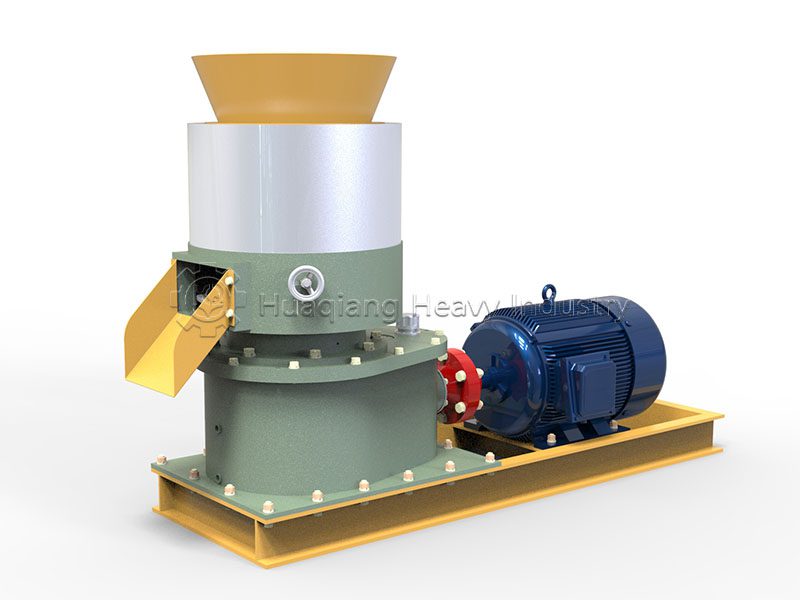
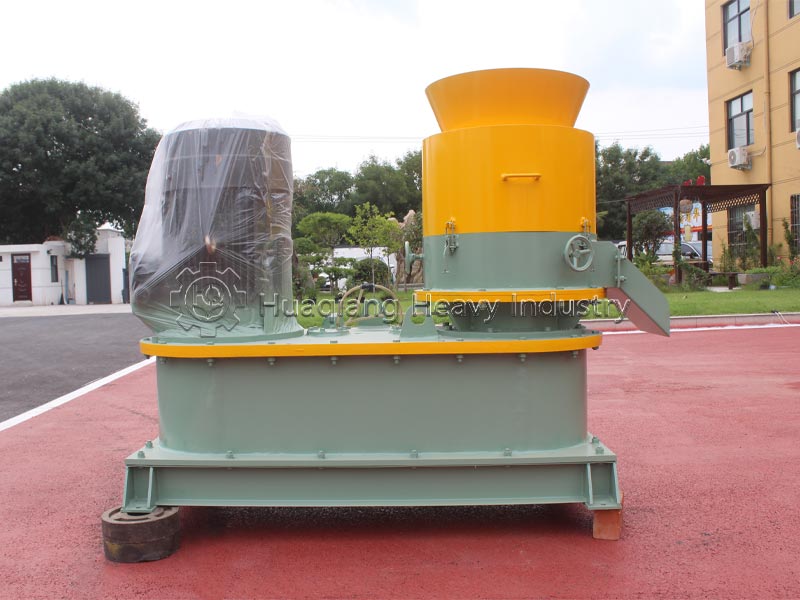
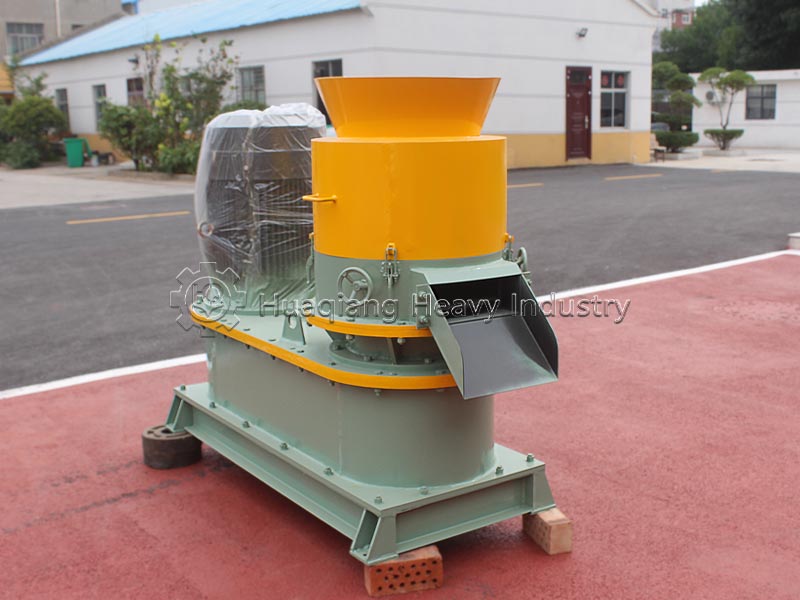
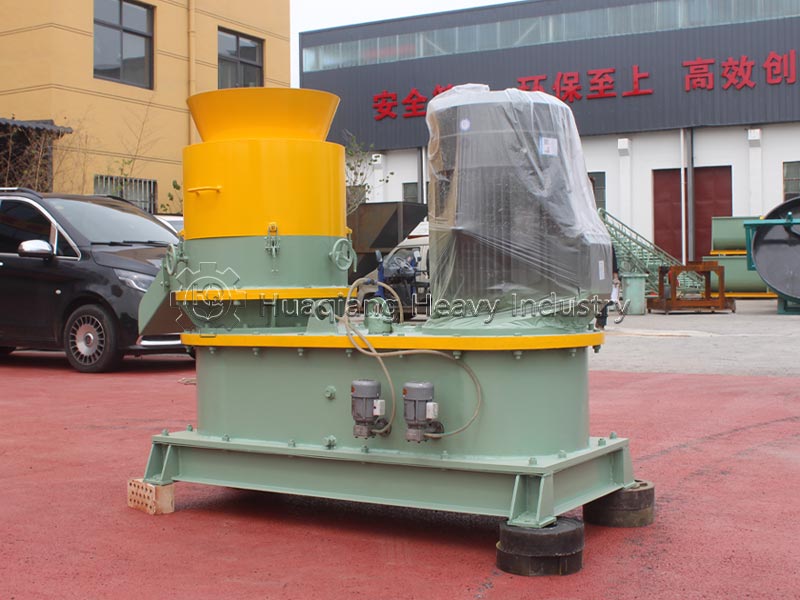
Equipment Introduction
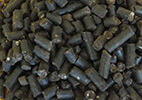
A flat die pelleting machine is a mechanical extrusion molding device with a horizontally placed circular flat die and a cylindrical press roller as its core working components. Essentially, it applies extrusion pressure to the material on the surface of the flat die during the rotation of the press roller, forcing the material into the die holes. After pressure holding and shaping within the die holes, the material is extruded to form cylindrical pellets with a certain density and strength.
Flat die pelleting machines can be classified into three types according to the movement state of their working components: moving roller type (press roller rotates actively, flat die is fixed), moving-mode type (flat die rotates actively, press roller rotates passively), and double-moving die and roller type (both rotate actively). Moving-mode and double-moving die and roller types are common in small-scale equipment, while moving roller types are generally used in larger models. Based on the shape of the press roller, they can be divided into conical roller type and straight roller type.
Compared to ring die pelleting machines, the core difference between flat die pelleting machines and ring die pellet mills is that the flat die is a horizontally placed circular plate, and the press roller rolls on the die surface; the ring die is a vertically placed cylinder, and the press roller rolls inside the cylinder. The diameter of the pressure rollers in a flat die pelleting machine is not limited by the die, which can increase the bearing space and improve the pressure-bearing capacity.
Applicable Raw Materials
The flat die granulator can process the following types of raw materials:
Raw Material Classification & Pretreatment Standards for Flat-die Pellet Machine
| Raw Material Category | Specific Raw Materials | Pretreatment Requirements |
|---|---|---|
| Grain Materials | Corn, Wheat, Soybean Meal, Wheat Bran | Pulverize to 2–3 mm |
| Straw Materials | Corn Straw, Wheat Straw, Rice Straw | Shred or crush to 3–5 cm |
| Wood Shavings & Sawdust | Sawdust, Wood Shavings, Wood Powder | Moisture content <20%, particle size <3 mm |
| Livestock Manure | Chicken Manure, Pig Manure, Cow Manure | Fully fermented & ripened, dry to moisture content <20% |
| Peat & Humic Materials | Peat Moss, Humic Acid, Turf | Pulverize and adjust moisture content |
| Additives | Minerals, Vitamins, Binders | Mix evenly |
Moisture content of raw materials is a key parameter. Too low a moisture content makes pellet formation difficult and results in a high pulverization rate; too high a moisture content leads to loose pellets, easy mold growth, and easy blockage of the die orifices. Generally, it should be controlled at 10–18%. The particle size of the raw material should be less than 1/3 to 1/2 of the die orifice diameter. Raw materials with high fiber content (such as straw) need to be properly crushed, as excessively long fibers are prone to tangling around the pressure rollers.
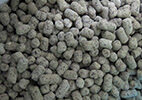
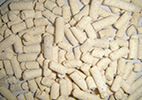
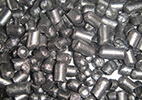
Equipment Working Principle
The core principle of the flat die pelleting machine is low-temperature dry extrusion compaction molding. The entire process involves no high temperatures, no drying, and no chemical reactions; it’s purely physical and mechanical molding.
The complete workflow is as follows:
1. Material Feeding: Pre-treated powdery and loose materials are evenly conveyed to the surface of the horizontal flat die by the feeding mechanism, naturally spreading out in the die hole area by gravity.
2. Compaction and Extrusion: The motor drives the main shaft through a reducer, causing the pressure rollers to roll at a uniform speed. The pressure rollers apply high-intensity mechanical pressure to the material on the die surface, crushing and breaking up material clumps, while simultaneously forcibly extruding the material into the flat die hole.
3. Degassing and Compaction: During low-speed extrusion, the air inside the material is fully expelled, and the material molecules tightly bind together, forming high-density, high-strength columnar strips.
4. Fixed-Length Pelletizing: The columnar strips penetrating the die hole are continuously extruded from the bottom of the die. The high-speed cutter at the bottom automatically cuts the material to a set length, forming uniform cylindrical solid particles.
5. Finished Product Output: The cut granules are conveyed to the discharge port via a slinger. After preliminary screening to separate fine powder, finished granules are obtained. Unqualified powder can be recycled for secondary granulation.
Core Advantage Principle: Low-temperature molding fully preserves probiotics, organic matter, nutrients, and active substances in the material, making it particularly suitable for granulating heat-sensitive materials. This is a core advantage that high-temperature granulation equipment cannot replace.
Granulation Process of Equipment
The granulation process of a flat die pelleting machine consists of the following stages:
Flat Die Pelleting Machine Full Production Process Stages
| Stage | Process Description | Key Parameters |
|---|---|---|
| Raw Material Pretreatment | Crushing, pulverizing and sieving to obtain uniform particle size | Particle size generally <3 mm |
| Conditioning (Optional) | Add steam, water or binder to adjust moisture and temperature | Moisture: 10–18%, Temperature: 60–80°C |
| Feeding | Deliver materials into pelleting chamber evenly and quantitatively | Feeding rate matches production capacity |
| Compression & Forming | Press rollers extrude materials into die holes through compression, pressure holding and extrusion | Pressure: 50–150 MPa |
| Cutting | The cutter cuts extruded strips to target length | Adjustable length, usually 2–5 times pellet diameter |
| Cooling | Cool pellets to ambient temperature naturally or by forced air | Cool down to near ambient temperature |
| Sieving & Grading | Separate qualified pellets, oversized lumps and fine powder | Finished product yield >90% |
| Packaging | Weighing, filling and sealing finished pellets | Weighing precision: ±0.1 kg |
The die orifice structure has a significant impact on granulation quality. Standard die orifices are straight holes of uniform diameter; to reduce extrusion resistance, tapered inlets can also be used. The effective thickness of the die orifice (working length) must be matched to the material characteristics and target particle density.
Flat die pelleting machine is a short-process, low-energy-consumption, and fewer-step forming process. The standardized and complete process flow is as follows: raw material screening and impurity removal → material crushing and refining → material moisture content adjustment and stirring → uniform feeding → flat die extrusion forming → fixed-length pelletizing → finished product screening → pellet drying/air drying → finished product packaging → powder recycling and secondary granulation.
Compared to ring die pelleting machine and wet granulation processes, it eliminates high-temperature drying, spray humidification, and complex conditioning processes, shortening the process flow by more than 40%, requiring less space, and reducing operating costs, making it particularly suitable for small to medium-sized mass production scenarios.
Applications of the Equipment
The flat die pelleting machine has an extremely wide range of applications, spanning multiple industries:
1. Fertilizer Industry: Primarily used for the production of columnar granules for (biological) organic fertilizers, compound fertilizers, and bio-fertilizers. Particularly suitable for granulating organic materials with high crude fiber content.
2. Feed Processing Industry: Produces various livestock and poultry feed pellets (chicken, duck, pig, sheep, cattle, rabbit, fish, etc.). Can also be used for granulating soybean cake, hay, etc.
3. Biomass Energy Industry: Processes biomass fuel pellets such as sawdust, branches, straw, rice husks, peanut shells, and stalks.
4. Chemical and Environmental Protection Industry: Processes powdery materials such as tobacco dust, tea dust, coal powder, silicon-calcium fertilizer, ore powder, and sodium sulfate; also processes municipal solid waste and factory waste.
5. Other Fields: Also applicable to the pharmaceutical and food industries.
Equipment Operation Instructions
1. Pre-start Inspection: Check all fasteners for looseness, ensure the lubrication system is functioning properly, verify the cutter clearance is appropriate, ensure the die holes are clear, and confirm the electrical system is working correctly.
2. Preheating: Run the machine unloaded for 5-10 minutes to fully lubricate all components and bring them to operating temperature.
3. Feeding: Feed a small amount of material initially, observe the forming process, and gradually increase to the rated capacity. Avoid sudden large-scale feeding, which could cause blockage.
4. Operation Monitoring: Observe the ammeter reading; the current should be within the rated range. Listen to the equipment’s operating sound; stop the machine and inspect for abnormal noise. Regularly check the particle quality (length, diameter, hardness, surface smoothness).
5. Conditioning Control: If steam conditioning is required, control the steam pressure and temperature to prevent the material from becoming too wet.
6. Shutdown: Stop feeding first, and stop the machine only after the material in the pelleting chamber has been emptied. For long-term shutdowns, clean any residual material from the die holes to prevent blockage.
7. Die Replacement: Replace with a flat die of different hole diameters according to product specifications. After replacement, readjust the pressure roller gap.
Daily Maintenance and Care Methods for Equipment
The lifespan of a flat die pelleting machine largely depends on daily maintenance. A standardized maintenance plan includes daily, weekly, monthly, and annual maintenance, which is simple and easy to implement:
1. Daily Maintenance: After production, clean the mold, pressure rollers, and discharge port to remove residual material and dust; check the circuits and switches for proper function; observe for abnormal noises and vibrations during equipment operation; keep the machine clean and dry.
2. Weekly Maintenance: Add high-temperature resistant lubricating grease to the bearings and drive shafts; check the wear of the pressure rollers and the unobstructed flow of the mold holes; tighten any loose bolts on the machine body; clean dust from the reducer surface.
3. Monthly Maintenance: Check the reducer lubricating oil level and quality; replenish if insufficient, replace if deteriorated; calibrate the gap between the pressure rollers and the mold; check the wear of the cutter and grind or replace it as needed; check the integrity of the seals to prevent material leakage and dust ingress. 4. Annual Maintenance: Disassemble the entire machine for thorough cleaning, inspect the wear of the main shaft, pressure rollers, and molds, and replace any aging or easily damaged parts; conduct a comprehensive inspection of the transmission system and electrical control system to ensure stable operation of the equipment throughout the year.
Equipment Parameters
| Parameter Item | KP-210 | KP-260 | KP-400 | KP-500 |
|---|---|---|---|---|
| Model | KP-210 | KP-260 | KP-400 | KP-500 |
| Capacity (t/h) | 0.2-0.3 | 0.4-0.5 | 1-1.2 | 2-5 |
| Pelleting Rate (%) | >95% | >95% | >95% | >95% |
| Rotation Speed (r/min) | 370 | 260 | 260 | 125 |
| Power (kW) | 7.5 | 11 | 30 | 55 |
Flat die pelleting machines, with their unique advantages such as simple structure, low investment cost, strong raw material adaptability, low-temperature extrusion, and one-time molding, have become core equipment for small-scale production in the three major fields of organic fertilizer, feed, and biomass fuel. Their core technology lies in the extrusion action of pressure rollers and a flat die, which forces materials through die holes to form cylindrical granules. The equipment is simple to operate, requiring only ordinary workers and no specialized technicians; it also boasts low operating costs and convenient maintenance.
If you have any questions about fertilizer production equipment and processes, or would like to learn more about customized solutions, please contact us immediately. Whether it’s equipment selection and quotation, installation, commissioning, and operation training, or after-sales maintenance and process upgrades, we can provide you with professional and timely answers and support, offering a full-process service.