
Still scratching your head over which compost turner to pick? Don’t worry—fermentation composting turning technology isn’t a one-size-fits-all deal. Today, let’s talk about three mainstream machines: the chain compost turner, the windrow compost turner, and the large wheel compost turner. What exactly sets them apart? Along the way, we’ll also mention a few other fertilizer equipment pieces to help you see the whole production process more clearly.
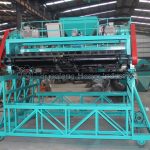
First, the chain compost turner. This guy is like a tireless “iron plow,” using a circulating chain plate to lift and toss material layer by layer. Its strengths are great turning depth and uniform pile mixing, making it perfect for in-vessel (trench) fermentation—the kind that happens in rectangular troughs. You mount it on the trough, it runs back and forth on rails, and the chain teeth bite deep into the pile, bringing hot inner material to the surface to release heat and add oxygen. The downside? It’s mechanically complex and a bit of a chore to clean.
Next, the windrow compost turner. This one is built for “go-with-the-flow” operations—no trough needed. Just pile your material into long rows (windrows), and the machine straddles them and gets to work. Rollers or drum-mounted teeth break up the pile and fling it backward while the whole machine moves forward. The windrow turner has low upfront costs and adapts well to different sites—small and medium farms love it. However, it’s vulnerable to weather, has limited turning depth, and the pile tends to lose heat quickly. In northern winters, you need to be cautious.
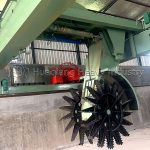
Finally, the large wheel compost turner. Also called a disc or rotary wheel turner, it acts like a giant grindstone—two massive wheels with rake teeth spin powerfully, shredding and throwing the material. This is the “power lifter” among turners, with an impressive processing capacity and a working depth of over 1.5 meters, making it ideal for large-scale organic fertilizer plants. The trade-offs: high energy consumption, expensive equipment, and demanding floor flatness.
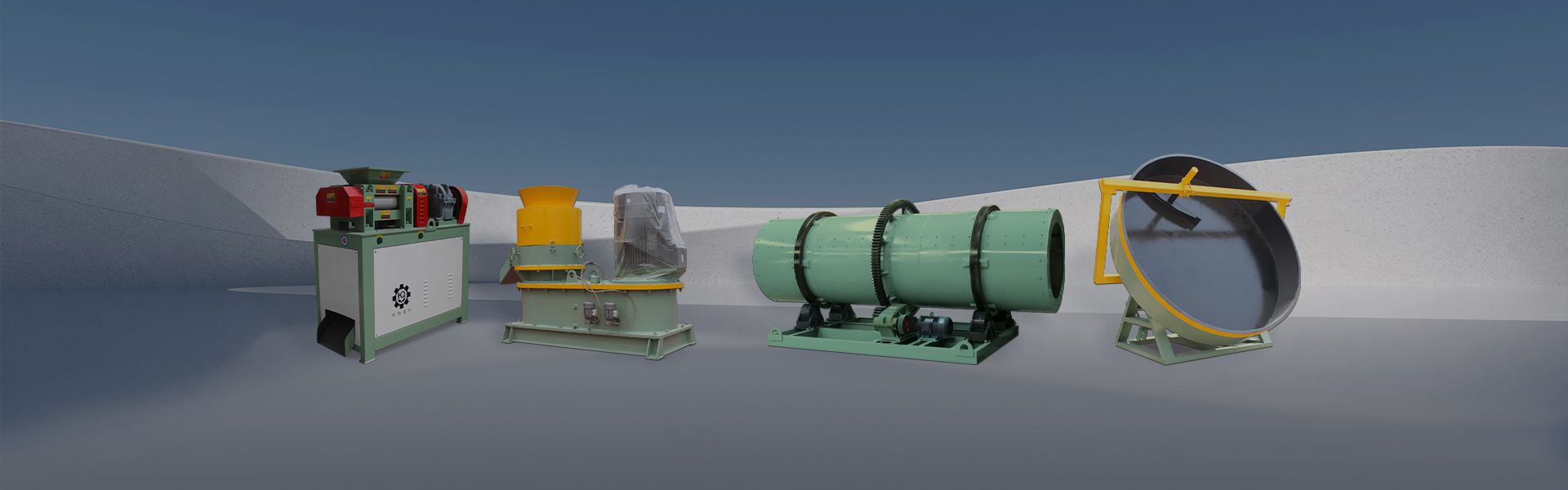
Of course, a turner alone isn’t enough. A complete fertilizer production line also needs a crusher (to break up caked material), a screener (to separate fine powder from oversize particles), a granulator (to turn powder into pellets), and a packaging scale. These brothers work together to turn smelly waste into golden organic fertilizer.
So, which turner should you choose? Go with the chain type for trough fermentation, the windrow type for open-air windrows, and the large wheel type for high throughput and deep piles. There’s no “best”—only what fits your site, budget, and processing volume. They are the real judges. Next time you stand in the fermentation workshop, you’ll know exactly what to pick, right?