
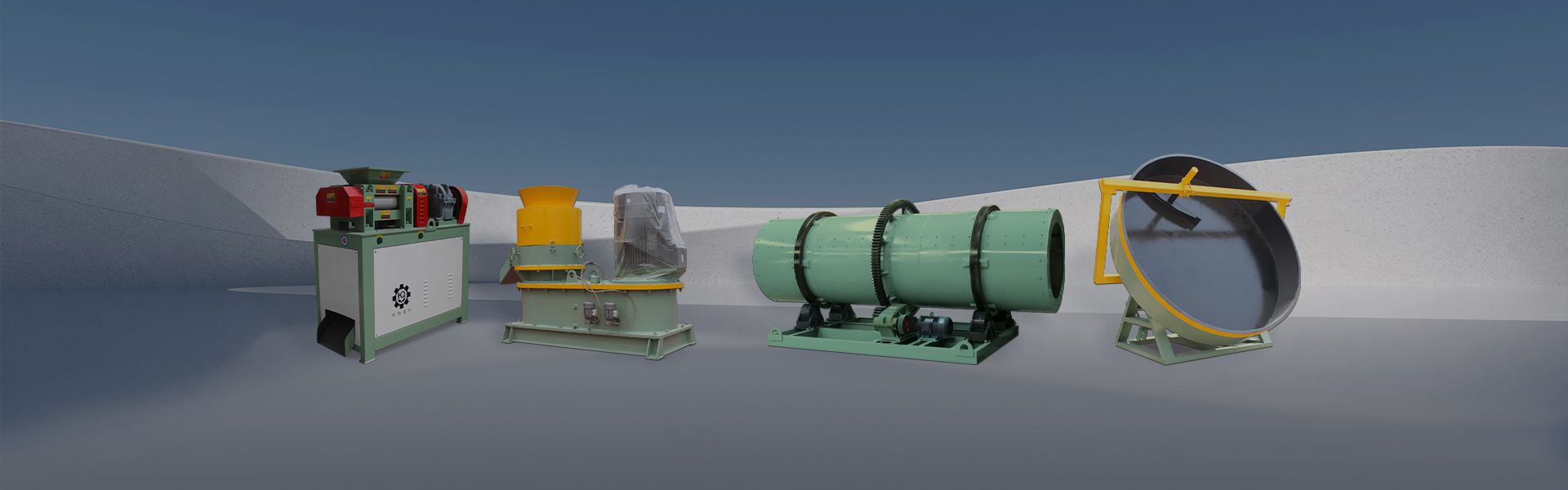
Step into a modern fertilizer plant, and you’ll be captivated by the impressive sight of a rotary drum granulator production line—more than just equipment, it’s a symphony of fertilizer production. So, what makes this production line the preferred choice for fertilizer manufacturers worldwide?

The answer lies in its unparalleled system integration advantages. The rotary drum granulator production line seamlessly connects multiple independent processes into an efficient whole. From raw material preprocessing to finished product packaging, each stage is meticulously designed to ensure material flows as smoothly as running water. This integrated design is precisely why German chemical giant BASF chose a fully automated rotary production line—their new factory increased production efficiency by 45% and reduced energy consumption by 30% in its first year of operation.
The production line’s core strength is its exceptional adaptability. Whether producing slow-release compound fertilizers, organic-inorganic blends, or specialized microbial fertilizers, the same equipment can meet diverse production needs simply by adjusting process parameters. This flexibility allows a medium-sized Canadian fertilizer company to navigate seasonal production with ease: manufacturing field crop-specific fertilizers in spring, switching to horticultural products in summer, and producing lawn care products in autumn—maximizing equipment utilization.
What truly sets this production line apart is its perfect synergy with supporting equipment. Upstream chain crusher and vertical disc mixer ensure uniform, fine raw materials; the midstream rotary drum granulator core shaping; downstream dryers, coolers, and screens optimize granule quality;coating and packaging machine products commercial value. The case of Dutch Royal DSM is particularly compelling—their intelligent production line reduced manual intervention by 80% while improving product consistency by 25%.
The addition of intelligent control systems has made the rotary drum granulator production line even more formidable. Modern lines are equipped with advanced PLC control systems and IoT sensors that monitor each stage’s operational status in real time. An innovative company in Iowa, USA, even developed AI optimization algorithms that automatically adjust process parameters based on raw material characteristics and environmental conditions, reducing energy consumption by an additional 15%.
From an economic perspective, the rotary granulator production line offers compelling returns on investment. Although the initial investment is relatively high, its high output, low energy consumption, and long service life ensure quick cost recovery. A fertilizer manufacturer in Gujarat, India, calculated that after three years of operation, their accumulated savings in energy and labor costs had already exceeded 60% of the total equipment investment.
Environmental friendliness is a necessity in our era. The rotary granulator production line employs enclosed designs that significantly reduce dust and gas emissions; water circulation systems maximize resource utilization; intelligent controls optimize energy consumption. Under the EU’s stringent environmental regulations, many companies choose this production line precisely for its green production characteristics.
It is the organic combination of these advantages that makes the rotary granulator production line the wise choice for the fertilizer industry. It not only enhances production efficiency and reduces operational costs but also ensures product quality and aligns with sustainable development trends. As global demand for efficient agriculture and environmental protection continues to grow, this production line will undoubtedly play an increasingly vital role in future fertilizer production, making greater contributions to world food security and ecological balance.