
Premium WordPress theme for construction companies, contractors, builders, and a variety of other construction-related businesses.
-
28238 Kelsie Lane Apt. 451,
Port Annabelport
-
Call Us: (210) 451-123
(Sat - Thursday)
-
Monday - Friday
(10am - 05 pm)
Rotary Drum Granulator


Equipment Introduction
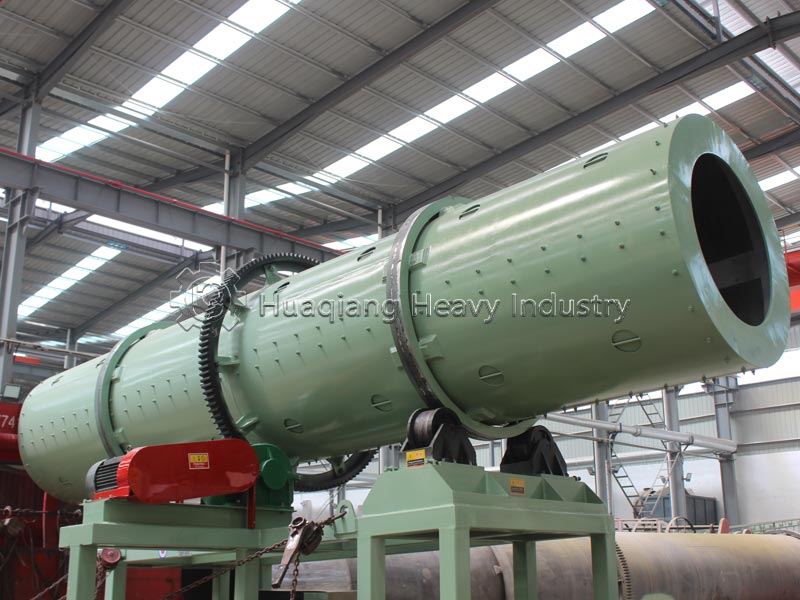
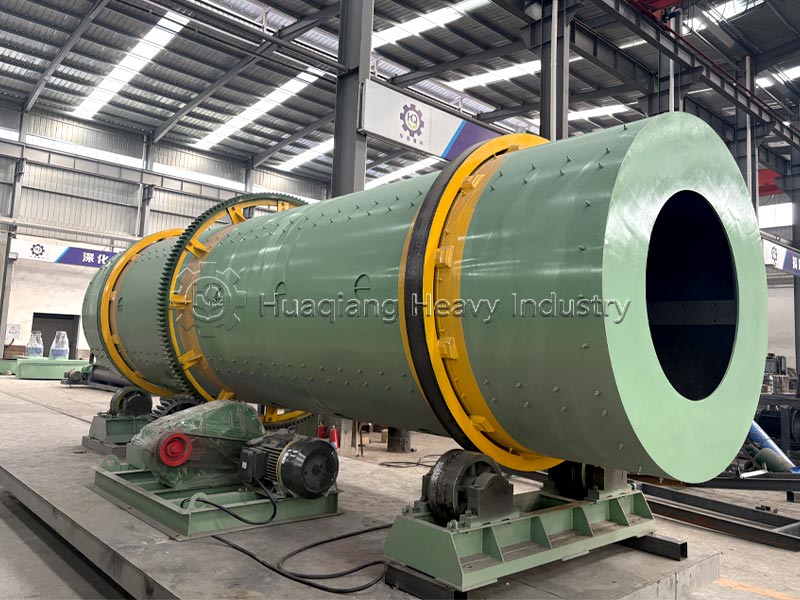
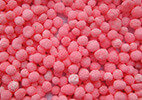
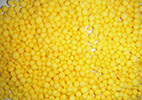
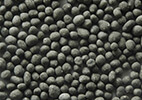
The rotary drum granulator (also known as a wet agglomeration continuous granulation machine) is a large-to-medium-sized mass production molding equipment, and a core main model for compound fertilizer, organic fertilizer, and mineral powder granulation. Unlike flat die extrusion granulation and roller dry granulation, its core process is rotary drum tumbling + liquid phase bonding and agglomeration molding. It relies on the material’s own rolling friction, capillary adsorption, and binder penetration to agglomerate fine powder materials into spherical particles.
Industry Core Positioning: High capacity, continuous operation, good sphericity, high particle strength, and suitability for large-scale production lines. It is the standard granulation equipment for formal fertilizer plants, chemical powder processing plants, and mineral processing enterprises. The equipment can achieve 24-hour uninterrupted continuous production, producing round, uniform granules with excellent flowability, suitable for bagged storage, mechanized fertilization, and assembly line packaging. It completely avoids the shortcomings of small granulators, such as low capacity, poor particle quality, and inability to mass produce, making it the mainstream equipment for industrial-grade granulation.
Core machine attributes: The equipment cylinder adopts an inclined installation structure and rotates at low speed through gear transmission. It is suitable for wet granulation processes and can be used with steam, water, binder liquid, and reaction liquid to achieve physical agglomeration or chemical granulation, meeting the high-end mass production needs of the industry.
Raw Materials for the Equipment
The rotary drum granulator is adaptable to a wide range of raw materials, mainly including:
1. Fertilizer Raw Materials
Basic Fertilizers: Urea, ammonium chloride, ammonium sulfate, monoammonium phosphate, potassium chloride, potassium sulfate, etc.
Compound Fertilizer Raw Materials: Various powdered nitrogen, phosphorus, and potassium fertilizers and trace elements
2. Organic Raw Materials
Livestock and Poultry Manure: Cow manure, sheep manure, pig manure, chicken manure, duck manure, etc.
Plant Raw Materials: Straw, mushroom residue, etc.
Industrial Organic Waste: Domestic sewage sludge, papermaking sludge, etc.
3. Key Raw Material Indicators
Moisture Content: For compound fertilizer granulation, it is recommended to control it at 2%-4%; for organic fertilizer granulation, control it at 20%-30%; the hand feel standard is “it can be formed into a ball when squeezed, but crumbles when dropped.”
Feed Particle Size: Powdered materials need to be crushed to below 100 mesh.
Raw Material Ratio: The proportion of each raw material needs to be precisely controlled according to the product formula.
Equipment Working Principle
The core principle of the drum granulator is horizontal rotary rolling agglomeration granulation (wet balling principle), integrating multiple effects of physical tumbling, capillary adsorption, liquid phase bonding, and centrifugal molding. It achieves continuous dynamic production throughout the entire process. The complete molding process is as follows:
1. Material Feeding: Pre-treated qualified ultrafine powder material is evenly fed into the inclined rotating drum by a quantitative feeding device;
2. Atomization and Wetting: The drum rotates at a uniform speed, and the internal atomization system evenly sprays a binding liquid medium. The powder surface is fully wetted by the liquid, forming a moist powder layer and activating the material’s capillary adsorption force;
3. Rolling Nucleation: Under the combined effects of the drum’s rotation, gravity, centrifugal force, and material friction, the moistened powder continuously tumbles, collides, is squeezed, and bonds, with fine powder first forming tiny particle nuclei;
4. Agglomeration and Growth: New powder continuously adsorbs onto the surface of the nuclei, layer by layer wrapping and agglomerating, and the particles continuously and uniformly grow, forming dense spherical particles;
5. Uniform discharge: Utilizing the inclined angle of the cylinder, the formed granules move continuously forward with the material, smoothly sliding from the high-end feed end to the low-end discharge end, and are continuously discharged from the equipment;
6. Subsequent processing: The discharged granules are screened, dried, cooled, and polished to obtain finished spherical granules. Unqualified fine powder can be recycled for secondary granulation.
Core technical features: Purely physical agglomeration molding (chemical-assisted granulation can be achieved for some chemical materials), resulting in high sphericity, high bulk density, uniform strength, and resistance to breakage, far exceeding the quality of extrusion granulation products.
Equipment Structure and Components
The rotary drum granulator mainly consists of the following six systems:
1. Machine Body (Cylinder): The most important part of the entire granulator, welded from high-quality medium carbon steel plates. It features internal special rubber or acid-resistant stainless steel liners for automatic descaling and nodule removal. Cylinder dimensions typically range from Φ1×6m to Φ2.0×20m.
2. Support Frame (Rollers and Rollers): The entire rotating part of the machine is supported by the support frame. The roller frame is welded from medium carbon steel plates and channel steel, undergoing strict quality control. The rollers are made of high-quality corrosion-resistant and wear-resistant materials, and the roller frame is manufactured using integrated casting technology. Rollers are fixed to both sides of the machine body to support the entire machine.
3. Transmission System: Composed of a main motor, reducer, pulleys, V-belts, split gears, and a large gear ring. The transmission frame is welded from high-quality channel steel, and both the main motor and reducer are high-quality products. The large gear ring is fixed to the machine body and meshes with the small transmission gear, driving the machine body in opposite directions. It is made of high-tech wear-resistant materials.
4. Feeding Device
Located at one end of the cylinder, it continuously feeds the pre-treated powdered material into the cylinder.
5. Liquid Spraying System
Including steam pipes and water spraying devices, it is used to introduce steam, water, or chemical solutions into the cylinder to regulate the material’s moisture and temperature.
6. Discharge Device
Located at the other end of the cylinder, it discharges the formed granules.
Equipment Applications
| Industry | Specific Application | Typical Products |
|---|---|---|
| Fertilizer Industry | Mass production of blended fertilizer and compound fertilizer | NPK compound fertilizer, Monoammonium Phosphate (MAP), Diammonium Phosphate (DAP) |
| Organic Fertilizer Industry | Granulation of organic-inorganic blended fertilizer | Livestock & poultry manure organic fertilizer, compost pellets |
| Metallurgical Industry | Ore pelletizing, sinter raw material preparation | Iron ore pellets, metallurgical auxiliary materials |
| Chemical Industry | Granulation of chemical products | Catalyst carriers, additive pellets |
| Building Materials Industry | Granulation of cement clinker and ceramic powder | Cement raw meal pellets, ceramic green body materials |
Drum granulators are particularly suitable for large-scale continuous production scenarios, with a single unit capable of processing 50–500 tons per day. In the fertilizer industry, the drum diameter can reach 4.5 meters, and the length can reach 16 meters.
Granulation Process
Roller granulation is a continuous wet agglomeration granulation process, a standard process for large and medium-sized fertilizer and chemical production lines. The complete standardized process is as follows: Raw material screening and impurity removal → Precise batching and mixing → Ultrafine grinding and refining → Feeding → Roller atomization agglomeration granulation → Semi-finished particle screening → Particle drying → Particle cooling → Finished product polishing → Finished product screening → Automatic packaging → Fine powder recycling granulation.
Core advantages of the process: Compared with flat die and ring die extrusion granulation, roller granulation offers stronger production continuity, higher sphericity of finished products, better particle permeability, and more uniform fertilizer release, making it suitable for high-end fertilizer mass production; compared with dry roller granulation, it produces particles with higher strength, no cracks, and superior appearance, resulting in higher market prices.
Application of Equipment in Production Lines
Drum granulators are typically used as the core granulation equipment in production lines, located after crushing and mixing processes and before drying, cooling, and screening processes.
1. Typical Flowchart of Compound Fertilizer/Blended Fertilizer Production Line
Raw material crushing → Batching and mixing → Drum granulation (steam or water introduced) → Drying → Cooling → Screening → Coating → Automatic packaging
The various processes are connected by equipment such as belt conveyors. The material exiting the granulator is dried, cooled, and screened to obtain the finished product.
2. Typical Flowchart of Organic Fertilizer Production Line
Fermentation Section (Fermentation, Composting, and Dehydration of Livestock and Poultry Manure) → Crushing and Sieving → Drum Granulation → Cooling → Screening → Packaging
3. Typical Flowchart of Ammonium Sulfate Production Line
Raw Material Preparation (Mixing Ammonium Sulfate Powder with Potassium Chloride, Urea, Monoammonium Phosphate, etc.) → Mixing and Stirring → Drum Granulation → Drying and Screening → Cooling and Packaging
4. Supporting Equipment for Production Line
Crushing Process: New Semi-Wet Material Crusher, Vertical/Horizontal Crusher
Stirring Process: Vertical Mixer, Horizontal Mixer, Twin-Shaft High-Intensity Mixer
Conveying Process: Belt Conveyor
Granulation Process: Drum Granulator (Core)
Drying and Cooling Process: Rotary Dryer, Cooler
Screening Process: Drum Screen, Vibrating Screen
Coating Process: Granule Coating Machine
Packaging Process: Automatic Quantitative Packaging Machine
Common Equipment Problems and Solutions
| Common Faults | Core Causes | Targeted Solutions |
|---|---|---|
| Low Pelletizing Rate (<60%) | Insufficient material moisture; uneven raw material particle size; improper drum rotation speed; unreasonable return material ratio setting | Precisely adjust water spray volume to control forming moisture content of materials; strengthen raw material crushing and screening to ensure uniform feeding particle size; adjust drum rotation speed to 10–15 RPM; optimize return material ratio within 1:3–1:5 |
| Oversized Pellets & Severe Agglomeration | Excessive material moisture; long material residence time inside drum; overdosage of liquid phase additives | Reduce atomized water spray volume; increase drum inclination angle or rotation speed to shorten material residence time; cut down steam / binder feeding amount |
| Insufficient Pellet Strength | Too low material moisture; poor material compaction effect; insufficient binder dosage | Properly raise forming moisture content of materials; lower drum rotation speed to extend residence time for full compaction; increase binder dosage and optimize binder formula ratio |
| Severe Material Adhesion on Drum Wall | Excessive inherent viscosity of raw materials; failed anti-stick lining plates; residual materials not cleaned timely after shutdown | Check worn or failed lining plates and replace promptly; thoroughly clean sticky residues inside drum after production; adopt lining plates with better anti-stick performance |
| Declined Equipment Output | Severely worn lifting flights; slipping support rollers; blocked or unsmooth feeding system | Replace worn lifting flights; adjust compression force of support rollers to eliminate slipping; fully inspect feeding system and clear blockages |
| Heavy Vibration & Abnormal Operating Noise | Uneven wear of support rollers; improper gear meshing clearance; drum deformation or coaxiality deviation | Adjust or replace unevenly worn support rollers; recalibrate gear meshing clearance; correct drum coaxiality and roundness |
| Wide Discharge Particle Size Distribution | No self-classification function of rotary drum; improper height of ring dam; uneven particle size of returned materials | Optimize ring dam height to control material bed depth; strengthen crushing treatment of return materials; install screening & classification equipment at the rear of production line |
| Nitrogen Loss During Thermal Granulation | Ammonia volatilization; incomplete material chemical reaction; improper temperature control | Optimize ammonia distribution pipe structure for even ammonia distribution; precisely control reaction temperature range; enhance equipment sealing to reduce ammonia volatilization |
Equipment Maintenance and Care Methods
The drum granulator is a heavy-duty, continuously operating piece of equipment. Standardized maintenance can significantly extend equipment life and reduce failure rates. Maintenance is divided into four levels: daily, weekly, monthly, and annual:
1. Daily Maintenance:
Clean residual material from the drum and unclog the atomizing nozzles; check for abnormal noises, vibrations, and misalignment during operation; clean leaking dust from seals; check the pressure stability of the spray pipeline; keep the machine clean.
2. Weekly Maintenance:
Check the wear and meshing clearance of the gear ring and pinion, and add gear grease; check the operating status of the support rollers and thrust rollers, and replenish bearing lubricating oil; tighten all connecting bolts; adjust the uniformity of spray atomization.
3. Monthly Maintenance:
Check the lubricating oil level and quality of the reducer, and add or change oil as needed; check the wear of the drum liner plates, tighten loose liner plates promptly, and replace severely worn liner plates immediately; calibrate the drum tilt angle and coaxiality; comprehensively test the operating conditions of the electrical control system and frequency converter system.
4. Annual Deep Maintenance: Complete machine shutdown and deep disassembly inspection; replacement of aged seals, worn support rollers and thrust rollers, and failed nozzles; correction of gear meshing accuracy and cylinder running balance; thorough cleaning of internal scale and material to ensure stable full-load operation of the equipment in the following year.
Equipment Parameters
| Model | Diameter(mm) | Length(mm) | Inclination(°) | Rotation Speed(r/min) | Capacity(t/h) | Motor Power(Kw) |
|---|---|---|---|---|---|---|
| ZG1.2*4.0 | 1200 | 4000 | 2.5 | 17 | 1-3 | 5.5 |
| ZG1.5*6.0 | 1500 | 6000 | 2.5 | 11.5 | 3-5 | 7.5 |
| ZG1.8*7.0 | 1800 | 7000 | 2.5 | 11.5 | 6-10 | 18.5 |
| ZG2.0*8.0 | 2000 | 9000 | 2.5 | 11 | 10-15 | 22 |
| ZG2.2*12 | 2200 | 12000 | 2.5 | 10.5 | 15-20 | 37 |
The core technology of the rotary drum granulator lies in its use of a rotating drum and wet granulation process to agglomerate powdery materials into high-strength spherical particles under liquid phase conditions. Compared to disc granulators, rotary drum granulators have a higher output and are more suitable for large-scale continuous production; compared to extrusion granulators, rotary drum granulators use a wet process, resulting in higher particle roundness and better appearance.
If you have any questions about fertilizer production equipment and processes, or would like to learn more about customized solutions, please contact us immediately. Whether it’s equipment selection and quotation, installation, commissioning and operation training, or after-sales maintenance and process upgrades, we can provide you with professional and timely answers and support, offering full-process services.