
Answer: Eutrophication refers to an ecological degradation phenomenon in which excessive input of plant nutrients such as nitrogen and phosphorus into water bodies leads to excessive proliferation of aquatic plants (mainly algae), a sharp decline in dissolved oxygen, and severe deterioration of water quality. The core driving factors are the excessive input of nitrogen and phosphorus. The specific loss pathways and mechanisms of harm are as follows:
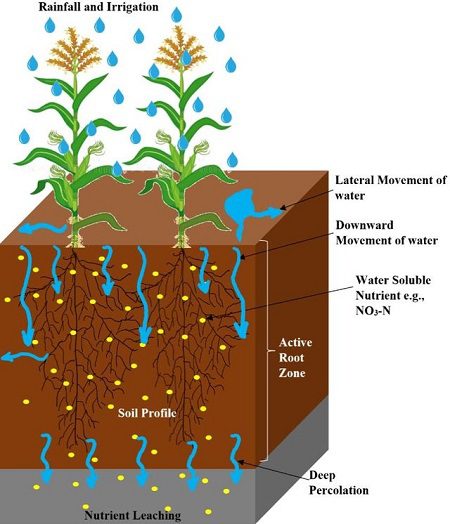
Nitrogen Loss Pathways: Leaching and Escape of Nitrate Nitrogen
In agricultural production, after nitrogen fertilizer is applied to the soil, ammonium nitrogen is rapidly converted into nitrate nitrogen through nitrification. Nitrate nitrogen carries a negative charge, which repels the negative charge on the surface of soil colloids, making it almost unadsorbed and fixed by the soil. Under the influence of rainfall or irrigation water, nitrate nitrogen easily moves downwards with the water and is leached into groundwater. This process is called nitrogen leaching loss. Studies have shown that nitrogen leaching loss in some intensive farming areas in China can reach as high as 25% to 30% of the applied nitrogen. Groundwater containing nitrate nitrogen is carried by rivers into lakes, reservoirs, or nearshore areas, providing ample nitrogen sources for algal blooms.
Phosphorus Loss Pathways: “Topsoil Infiltration” by Runoff
Unlike nitrogen, phosphorus has extremely poor mobility in soil. Phosphorus enters water bodies primarily through two physical pathways: surface runoff (rainwater erosion) and soil erosion (topsoil particles migrating with water flow). Phosphorus is mainly adsorbed on the surface of soil particles and enters surface water bodies with runoff; this process is particularly prevalent in intensive agricultural areas. Soluble inorganic phosphorus entering water bodies can be directly utilized by phytoplankton, becoming another core driver of eutrophication.
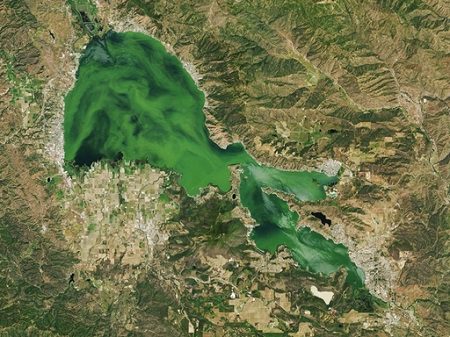
The Chain Reaction of Eutrophication: Algal Blooms and the Formation of “Dead Zones”
When large amounts of nitrogen and phosphorus enter water bodies, algae utilize these nutrients to multiply rapidly, forming “algal blooms” or “red tides.” The massive algal blooms cover the water surface, obstructing sunlight penetration and causing underwater plants to die due to the inability to photosynthesize. When large numbers of algae die, their decomposition by microorganisms depletes dissolved oxygen in the water. Once dissolved oxygen is depleted, fish and other aquatic life suffocate and die in large numbers. The water emits foul-smelling gases such as hydrogen sulfide, severely deteriorating water quality and rendering it unusable for drinking, irrigation, and landscaping, creating a “dead zone” for aquatic plants and animals. Eutrophic water bodies also produce carcinogenic nitrosamines, seriously threatening drinking water safety.
The root cause of eutrophication lies in the application of nutrients exceeding the actual absorption capacity of crops. Therefore, promoting precision fertilization, improving fertilizer formulations, and optimizing nutrient management are the core paths to solving this environmental challenge. If you plan to set up a controlled-release fertilizer or organic-inorganic compound fertilizer production line, our technical team can provide you with a complete solution from process design to equipment selection.