
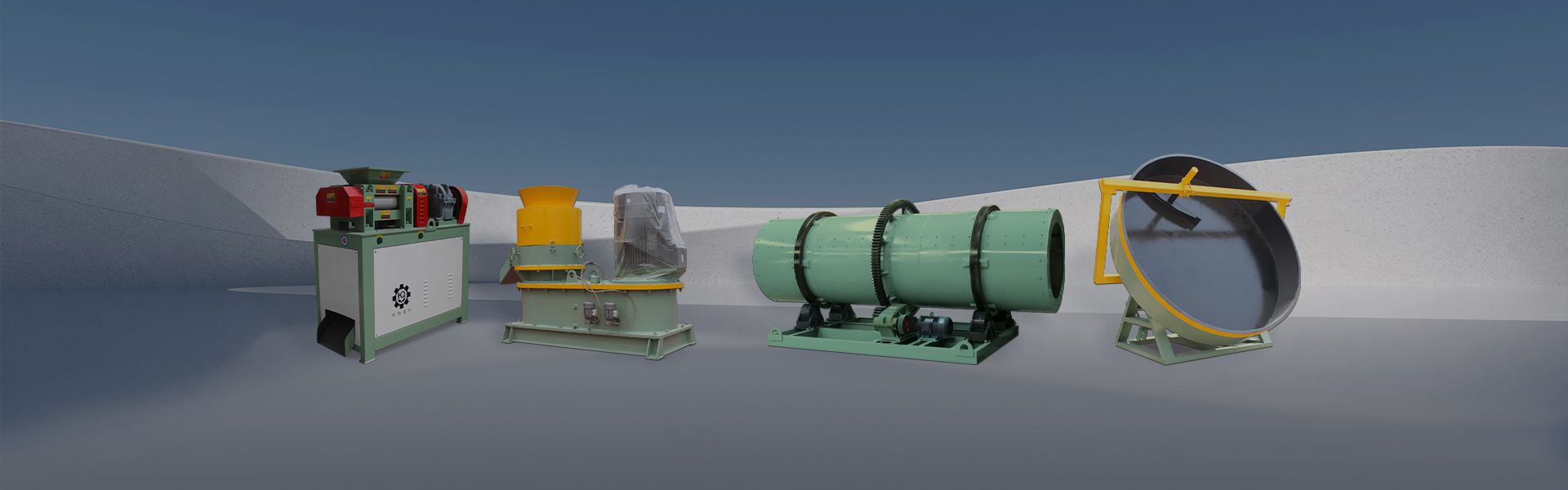
Crusher clogging is a common operational issue, primarily caused by excessive feeding rates, high material moisture content, or severe hammer wear. Preventive measures should focus on three areas: feed control, material pre-treatment, and equipment maintenance.
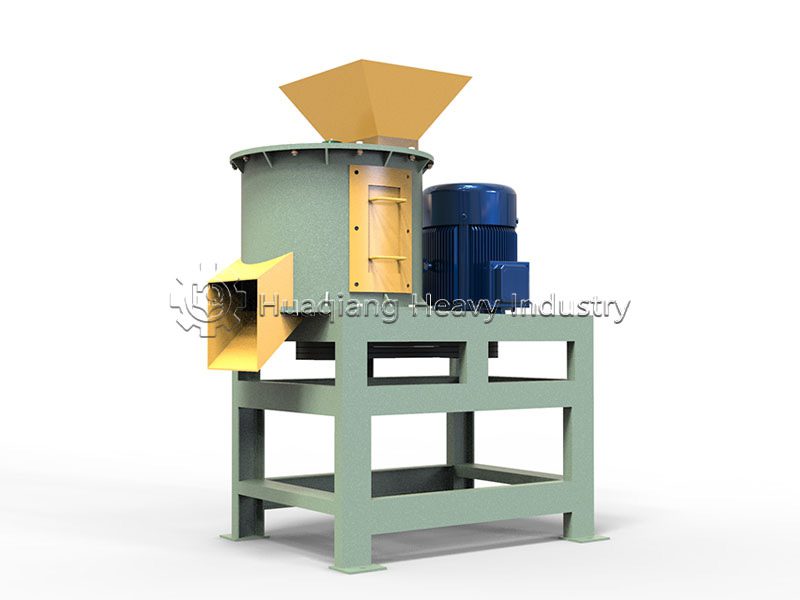
Feed Control: Equip the system with a uniform feeding device (such as a variable-frequency belt scale or screw feeder) to avoid sudden surges or interruptions in the material flow. It is recommended to maintain the feed rate at 80%–90% of the crusher’s design capacity to provide a buffer for material fluctuations. For agglomerated materials, install a coarse crusher or a serrated-roll crusher upstream of the feed inlet to break down large lumps (over 10 cm) to under 3 cm, thereby reducing the load on the main crusher.
Moisture Control: Although semi-wet material crushers can handle materials with a moisture content of up to 40%, the risk of clogging increases significantly when moisture exceeds 35%. It is advisable to air-dry the fermented material or use pre-drying equipment to reduce the moisture content to below 30% before crushing. For materials with high stickiness, mixing in 10%–15% dry material (such as fine recycled powder) can help reduce overall adhesion.
Routine Maintenance: After each shift, open the crusher’s access door to clear any residue from the hammers and screen plates. Inspect hammer wear weekly; replace the hammers or restore them via hard-facing welding if the edges become rounded or the thickness is reduced by more than one-third. Additionally, installing a permanent magnetic iron remover and a gravity-type stone separator upstream of the crusher effectively prevents metal objects and stones from entering the crushing chamber and causing severe jamming.