
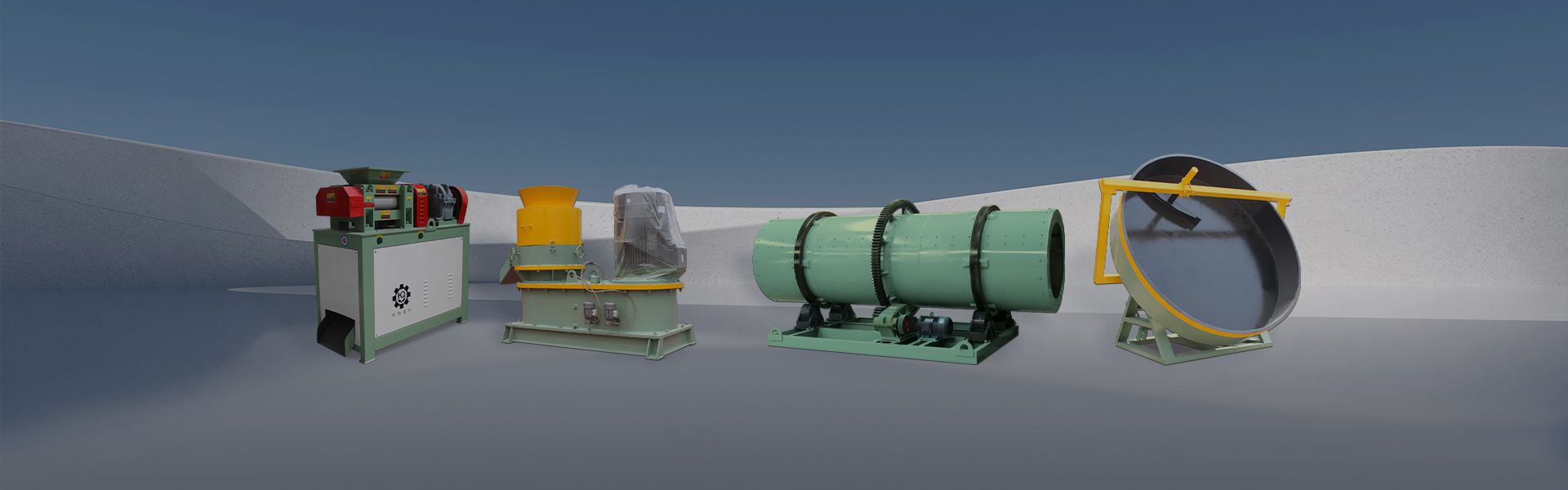
In the field of modern fertilizer production, the rotary drum granulator acts like a skilled sculptor, transforming coarse powders into uniform, refined granules. The widespread popularity of this equipment worldwide is backed by multiple compelling reasons.
The unique appeal of the rotary drum granulator first lies in its remarkable versatility. Whether it’s heat-sensitive organic fertilizers, precise compound fertilizers, or special microbial fertilizers, it can accomplish granulation tasks gently and efficiently. Its working principle mimics the natural formation of pearls—through continuous rotational motion, materials are layered and coated with binders, gradually forming uniformly sized spherical granules. This gentle processing method is particularly beneficial for preserving active ingredients in organic fertilizers.
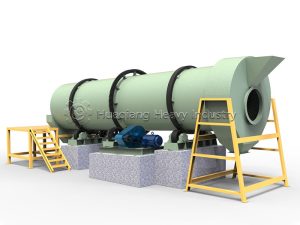
From a production efficiency perspective, the rotary drum granulator demonstrates impressive capabilities. A standard unit can process tens to hundreds of tons of raw material daily, enabling continuous, automated production. Compared to traditional extrusion or spray granulation, rotary drum granulation offers lower energy consumption, higher output, and simpler operation. This is precisely why a medium-sized fertilizer plant in Iowa, USA, chose a rotary drum granulation system—after upgrading their equipment, their capacity increased by 40% while energy consumption decreased by 25%.
However, the success of the rotary drum granulator is not achieved in isolation. In a complete fertilizer production line, it works in perfect synergy with various other fertilizer equipment: upstream chain crusher ensure raw material fineness, and vertical disc mixer guarantee uniform nutrient distribution; downstream dryers and coolers optimize granule properties, while screening and coating machines enhance product quality. This systematic solution enabled a Dutch organic fertilizer producer to complete the entire process from raw material to finished product within 24 hours, with their products exported to over ten European countries.
The transition to intelligentization has further enhanced the appeal of rotary drum granulators. Modern equipment equipped with sensor networks can monitor drum temperature, humidity, and rotational speed in real-time, automatically optimizing process parameters through algorithms. Some advanced systems even support remote monitoring and fault diagnosis, significantly reducing operational costs and technical barriers. This is why an Australian startup fertilizer company chose a rotary drum granulation line with an intelligent control system—they manage the entire production process with just three operators.
From an economic standpoint, the rotary drum granulator offers excellent return on investment. Although the initial investment may be higher than some traditional equipment, its low maintenance costs, high production efficiency, and long service life ensure long-term economic viability. The experience of an Indian fertilizer manufacturer is quite persuasive: their rotary drum granulation system maintained over 95% uptime after five years of operation, with maintenance costs accounting for only 3% of the initial investment.
Environmental friendliness is a crucial consideration in this era. Rotary drum granulators typically feature enclosed designs, minimizing dust emissions; optimized process parameters reduce energy consumption; and the produced granular fertilizers decrease nutrient loss during application. In Germany, stringent environmental regulations have prompted many fertilizer producers to adopt rotary drum granulation technology, as it helps them meet production needs while complying with emission standards.
It is the comprehensive manifestation of these advantages that makes the rotary drum granulator the wise choice for fertilizer producers worldwide. It not only improves production efficiency and reduces operational costs but also enhances product quality and aligns with sustainable development trends. As technological innovations continue to advance, rotary drum granulation technology will undoubtedly play an even more significant role in future agricultural ecosystems, helping us nourish crops while better caring for our shared planet.