
On the edge of a pasture, long windrows of cow manure lie quietly under the sun. Without that big machine, they would take three or four months to turn into fertilizer. But today, a brand new windrow compost turner is being installed – and it’s about to become the “steel dancer” on these piles of manure.
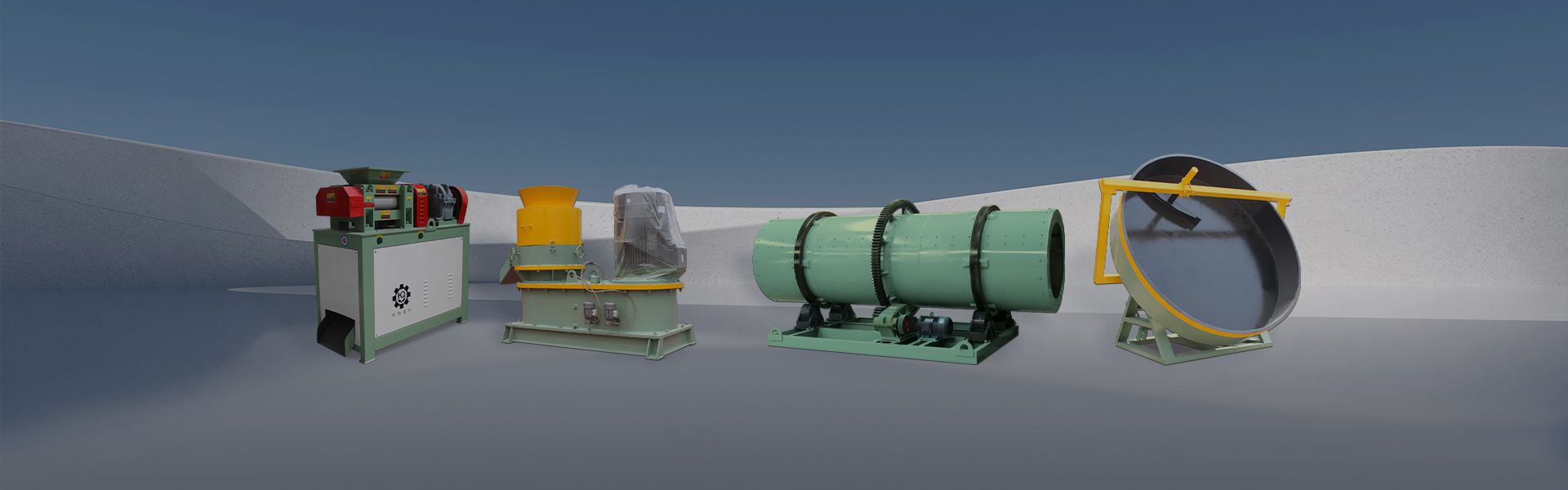
The installation site is an open, hardened area. All around, various pieces of fertilizer equipment have already taken their places: a high power crusher squats in a corner, next to a rotary screener machine, and further away, a disc granulator and a cooler wait for their cables to be connected. Yet everyone’s eyes are fixed on the compost turner taking shape.
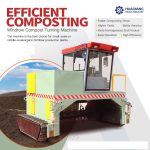
Its size is imposing. Two rotor drums studded with knives span the frame, like a pair of giant maces. Workers are tightening the blade bolts one by one with torque wrenches. “Every single blade needs checking,” says the installation foreman, wiping sweat from his brow. “Cow manure sometimes hides stones. A loose blade can fly off.” The tracks on both sides of the turner are already in place, and a technician lies on the ground adjusting the track tension – too tight and they wear quickly, too loose and they risk slipping.
Unlike other fertilizer machines, this turner doesn’t have a fixed workstation. It has to travel along windrows hundreds of meters long, turning the manure, adding oxygen, and lowering the temperature. So inside its control box lies a smart remote system. During testing, a worker stands thirty meters away and presses a button. The machine moves forward slowly, and the rotor kicks up a brown “wave.” An old herdsman watching nearby grins from ear to ear. “This thing can turn a thousand tons a day? Better than twenty of us plus two loaders!”
Of course, the turner doesn’t work alone. A loader is on site, dedicated to piling fresh cow manure into neat trapezoidal windrows. A towed water cart follows behind to adjust moisture. And the windrows that the turner has processed are then fed into a screen; the fine material goes to the granulation step. The whole line works like a well drilled team: the loader leads the charge, the turner plays the main role, and the screen and granulator bring up the rear.
A small hiccup occurred during installation: the remote control signal would occasionally cut out. An engineer pulled out a spectrum analyzer and found that a nearby variable frequency crusher was causing electromagnetic interference. They added a ferrite ring to the turner’s receiver and adjusted the antenna angle – the signal stabilized immediately. An old technician laughed and said, “The more equipment you have, the better they need to ‘talk’ to each other.”
As the sun set, the turner finally completed its trial run. The rotor roared to life, lifting the manure high into the air before letting it fall back down. The air filled with the smell of earth and fermentation. The machine moved unhurriedly along the windrow, like a dancer who knows the rhythm – every step turning waste into the promise of fertile soil.
So you ask, what’s so special about a compost turner? It simply lifts the manure, drops it, and lifts it again. Yet that simple motion keeps the pasture from stinking and lets the soil breathe once more. Isn’t such a steel dancer worth a round of applause?