
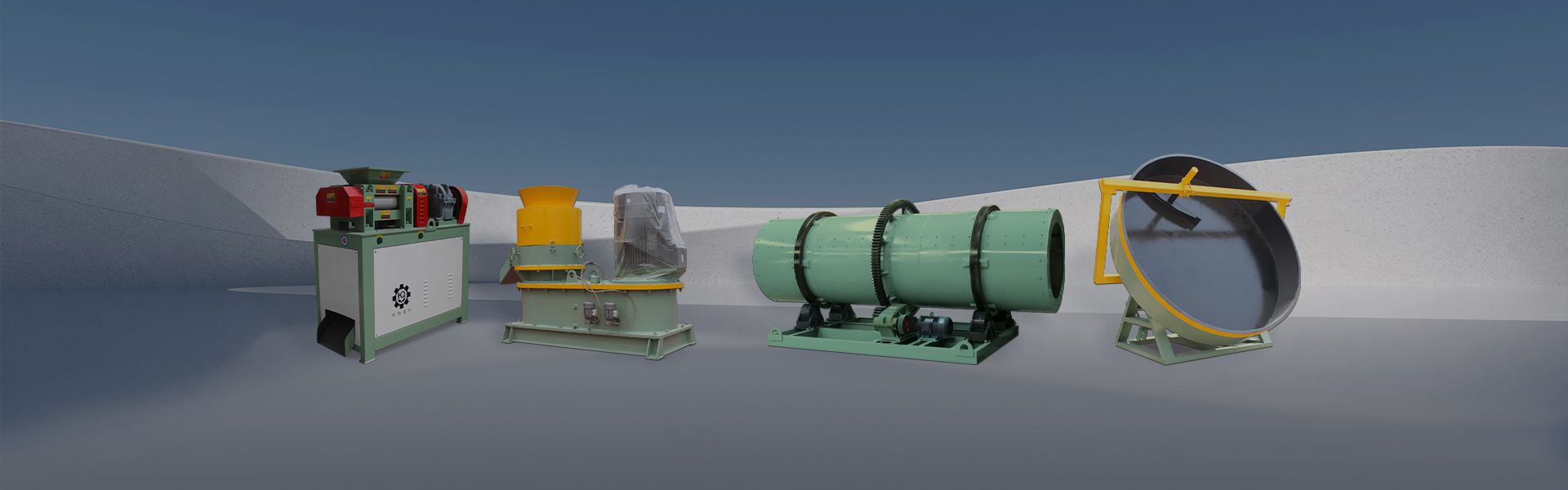
In the grand symphony of modern fertilizer production, the rotary drum granulator performs as a masterful conductor, orchestrating the magical transformation of fine powders into uniform, rounded granules. This seemingly humble cylindrical equipment conceals sophisticated physicochemical principles within its rotating chamber, serving as the crucial nexus between raw materials and finished products—a true artisan in the science of agronomy.
The Gentle Art of Granulation
The core mechanism of the rotary drum granulator mirrors nature’s own processes—much like how snowflakes crystallize or pearls form within oysters. Through persistent rotational motion, countless powder particles gradually agglomerate, layer, and compact under precisely controlled conditions, “growing” into standardized pellets. This gentle, continuous method proves particularly invaluable for delicate organic and bio-fertilizers, preserving vital microorganisms that would perish under harsher processing conditions.
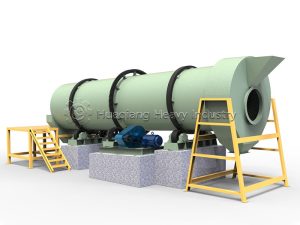
Production Symphony: No granulator works in isolation. In a complete fertilizer line, it performs as part of an interconnected ensemble: chain crusher reduce raw materials to uniform fineness; mixers ensure homogeneous nutrient distribution; the granulator forms consistent pellets; drum fertilizer dryer remove excess moisture; coolers stabilize structure; screening systems grade by size; coating units enhance performance; and packaging machines deliver market-ready products.
The Complete Production Journey
Raw materials are reduced to fine, uniform powder
Nutrients are blended to exact formulations
The rotary drum forms consistent, spherical pellets
Moisture control and temperature stabilization
Size classification and surface enhancement
Final preparation for distribution and use
Global Impact & Advantages
Traditional Methods
Often inconsistent, labor-intensive, and limited in scale, with higher nutrient loss during application and storage.
Rotary Drum Granulation
Continuous operation enables impressive throughput (tens to hundreds of tons daily), produces durable, uniform pellets that resist degradation, and allows precise control over size and density for customized applications.
Globally, this technology is catalyzing agriculture’s green transition. European facilities convert agricultural residues into slow-release fertilizers; North American farms employ modular systems for precision nutrient management; Asian enterprises increasingly invest in granulation lines to produce advanced, environmentally considerate formulations.
The Intelligent Future
Modern granulators now feature sophisticated sensor networks and AI-driven controls that monitor and optimize parameters in real-time. Innovations like heat recovery systems repurpose thermal energy from granulation for drying stages, significantly reducing energy footprints. Researchers are advancing new lining materials to minimize adhesion, optimizing internal geometries for higher efficiency, and exploring auxiliary technologies like ultrasonic assistance to further enhance performance while lowering resource consumption.