
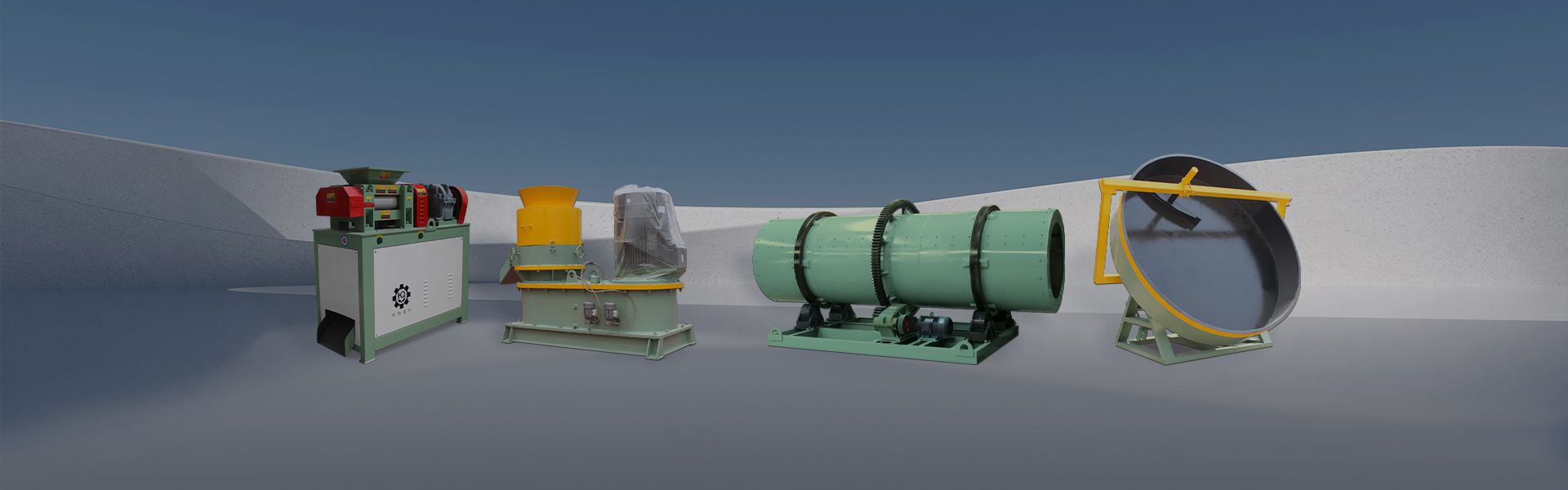
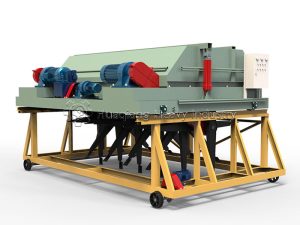
In the realms of modern organic agriculture and waste management, the hydraulic trough compost turner is quietly spearheading a silent revolution. Unlike traditional composting methods, this equipment—with its precise hydraulic drive system and efficient trough design—brings unprecedented efficiency and consistency to organic fertilizer production.
Precision in Motion
The core advantage of the hydraulic trough compost turner lies in its precise control capabilities. Through the hydraulic system, operators can effortlessly adjust turning depth, speed, and angle, achieving fine-tuned management of the composting process. This flexibility allows the equipment to adapt to diverse organic materials—from livestock manure and agricultural residues to kitchen scraps and garden trimmings—transforming them all into high-quality compost with remarkable efficiency.
The Integrated Production Ecosystem
A fully functional organic fertilizer system integrates multiple devices: cage crusher break down raw materials into uniform particles; mixers blend different components in precise ratios; following fermentation by the turner, dryers remove excess moisture; rotary screener machine select finished products of appropriate particle size; and packaging units finalize the product for market. Each machine plays a distinct yet interconnected role, much like sections of an orchestra creating a harmonious performance of efficiency and sustainability.
Traditional Composting
Labor-intensive, weather-dependent, slow process with inconsistent results and significant space requirements.
Modern Turners
Automated, controlled, efficient systems that produce consistent quality compost in reduced time with minimal labor.
The Global Shift Toward Sustainable Systems
From a global perspective, this integrated fertilizer production approach reflects broader sustainable agriculture trends. Farmers across Europe, North America, and Australia are increasingly adopting these efficient, environmentally friendly equipment combinations—not merely for productivity gains, but because they embody circular economy principles: transforming waste into resources, reducing chemical fertilizer dependence, and lowering carbon emissions.
The Intelligent Future of Composting
As technology advances, future hydraulic trough turners will become increasingly intelligent. Imagine equipment embedded with sensor networks that monitor composting parameters in real-time, connecting via IoT to central control systems that automatically adjust operations. Artificial intelligence algorithms could predict optimal fermentation curves based on material characteristics. These innovations promise even more precise, efficient organic fertilizer production, further accelerating global agriculture’s sustainable transformation.