
Premium WordPress theme for construction companies, contractors, builders, and a variety of other construction-related businesses.
-
28238 Kelsie Lane Apt. 451,
Port Annabelport
-
Call Us: (210) 451-123
(Sat - Thursday)
-
Monday - Friday
(10am - 05 pm)
Rotary Screener Machine
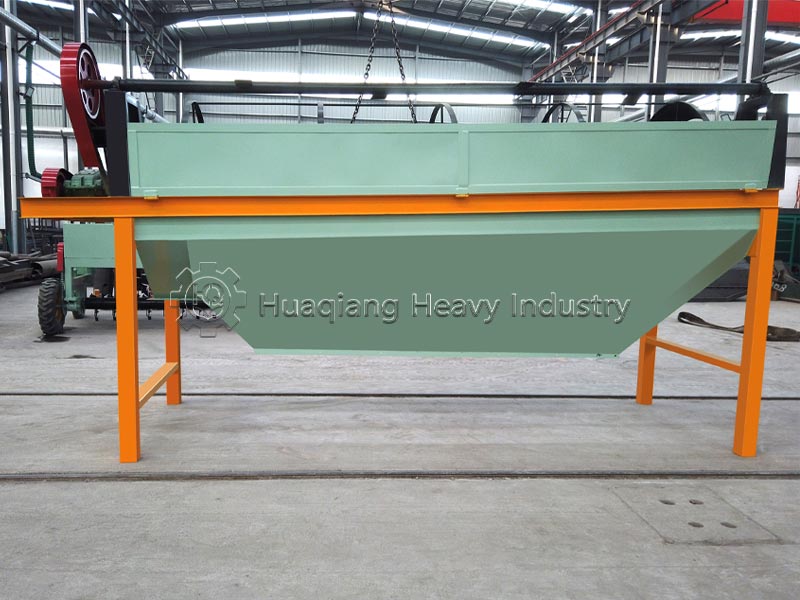
Equipment Overview
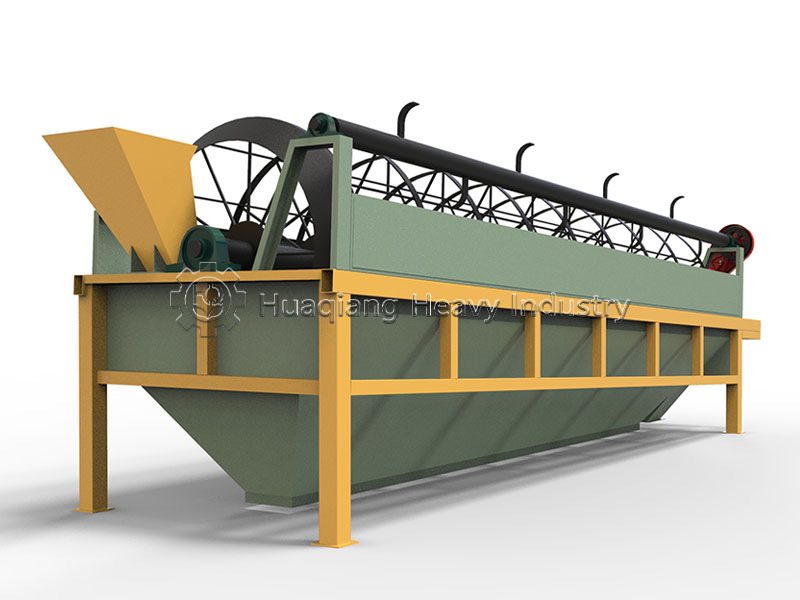
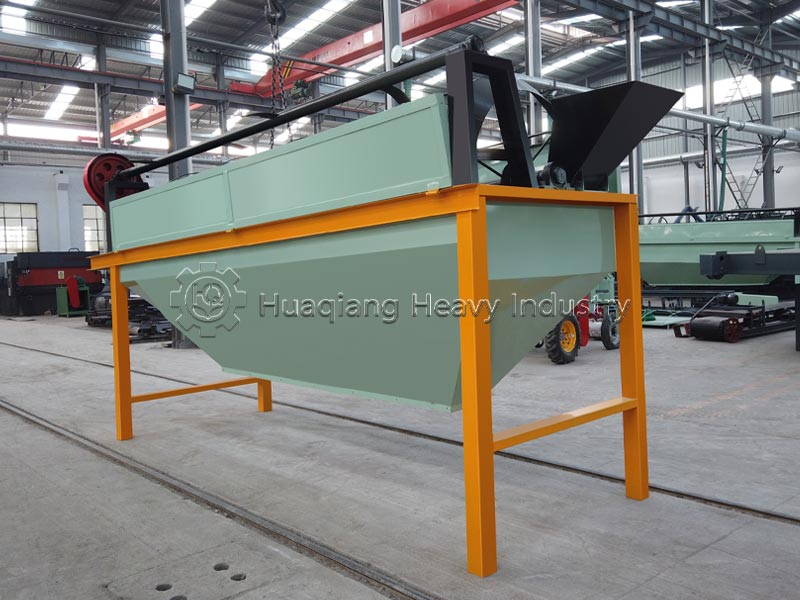
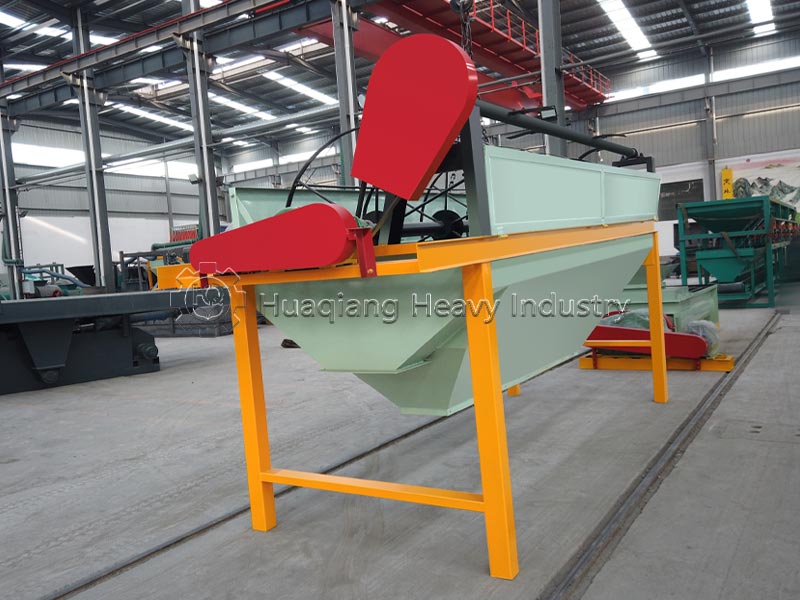
A drum screen, also known as a rotary drum screen or cage drum screen, is a screening device that uses a rotating screen cylinder to classify or separate materials according to particle size. Its core features include simple structure, stable operation, resistance to screen clogging, good sealing, and low noise. It is widely used in industries such as organic/inorganic compound fertilizers, mining, building materials, chemicals, coal, metallurgy, biomass, and solid waste treatment.
In the fertilizer industry, it is mainly used for separating finished products from recycled materials. It can also be used to classify finished products, ensuring uniform classification. It is a key supporting equipment in compound fertilizer and organic fertilizer production lines.
Equipment Structure
The drum screen can be divided into three main parts:
- Frame Section
The frame is welded from high-quality steel plates and channel steel, forming the foundation for the entire equipment. The steel frame is welded from shaped steel, making it sturdy and durable. The drum assembly is installed at an angle to the ground on the frame.
- Transmission Screening Section (Core)
This section consists of the drive wheel, coupling, main shaft, drum, and combined screen. The screen is installed and welded to the drum on the main shaft. The screen is composed of several circular flat steel rings, with a cross-sectional area much larger than the screen bars of other screening equipment, resulting in a longer service life. The drum is usually cylindrical, and the inner wall may be equipped with lifting plates to assist material movement.
- Transmission Connection Section
The electric motor drives the pulley, V-belt, and reducer to rotate the main shaft. The transmission reducer and the main working parts are driven by sprockets and chains, facilitating assembly and maintenance. 4. Feeding, Discharging, and Sealing Section
This includes the feed inlet, discharge outlet, and sealing cover. The feed inlet is located at the higher end of the inclined roller, and the discharge outlet is located at the lower end. Multiple discharge funnels can be installed to collect materials of different particle sizes, depending on the grading requirements.
Working Principle
The working principle of a drum screener is based on the inclined rotation of the drum and the gravity separation of the material:
- Feeding: Material enters the screening drum from the higher end (feed inlet).
- Tilting and Rolling: The motor drives the drum to rotate slowly around its axis (usually 10-17 r/min) via a reducer. Because the drum is installed at a 2°-5° inclination, the material is continuously lifted, tumbled, and thrown down inside the drum, forming a continuous tumbling motion.
- Screening and Separation: During the tumbling process, fine materials smaller than the screen aperture (undersize product) pass through the screen under gravity and are discharged from the bottom outlet of the drum; coarse materials larger than the screen aperture (oversize product) move forward gradually along the drum’s inclination and are eventually discharged from the discharge outlet at the tail end of the drum.
- Self-Cleaning: During the tumbling process, particles stuck in the screen apertures are ejected by impacts from subsequent materials; combined with a cleaning device, this effectively prevents wet, sticky materials from clogging the screen.
Applications and Applicable Raw Materials
The drum screen is highly adaptable and can process a variety of solid materials with a particle size of less than 300mm.
| Industry Field | Applicable Raw Materials |
|---|---|
| Organic & Inorganic Fertilizer | Fermented raw materials, compost, organic fertilizer powder, compound fertilizer granules, returned materials, BB fertilizer raw materials |
| Mining & Building Materials | Sand, crushed stone, river pebble, coal gangue, limestone, coke, quicklime & slaked lime |
| Coal & Power Industry | Raw coal, coal powder, lump coal, coal slime, fuel for circulating fluidized‑bed boiler |
| Agriculture & Grain | Wheat, corn, paddy rice, straw, forage grass, coconut husk, palm fiber |
| Biomass & Environmental Protection | Wood chips & pellets, biomass fuel, domestic waste, construction waste, recycled materials |
This equipment is particularly adept at handling moist, sticky, and easily clogged materials, overcoming the shortcomings of traditional vibrating screens that are prone to clogging and have low efficiency under such conditions.
Equipment capacity range
| Model | Cylinder Diameter × Length (m) | Matching Motor (kW) | Hourly Capacity (t/h) |
|---|---|---|---|
| GS1.0×3.0 | Φ1.0×3.0 | 4.05 | 1~3 |
| GS1.2×4.0 | Φ1.2×4.0 | 5.5 | 3~10 |
| GS1.8×6.0 | Φ1.8×6.0 | 7.5 | 10~25 |
The drum speed is uniformly 10~22r/min. Different mesh sizes of screens can be replaced according to the particle size, and the capacity fluctuates slightly with the size of the screen holes.
Applications in Production Lines
- Powdered Fertilizer Production Line: After the material is processed by a crusher, a drum screen is used to screen the powder, separating insufficiently crushed coarse particles for regrinding, while qualified fine powder enters the mixing or packaging process. It is typically configured with two discharge ports (fine powder port + waste port).
- Granular Fertilizer Production Line: After granulation, drying, and cooling, the drum screen undertakes the core tasks of finished product grading and return material separation:
1) Fine Powder/Particle Port: Small particles and powder undersized are returned to the granulator for regranulation;
2) Finished Product Port: Particles with a qualified particle size (e.g., 3-5mm) enter the coating machine or are directly packaged;
3) Large Particles/Return Port: Oversized particles are returned to the crusher for further crushing and regranulation.
This closed-loop design achieves zero raw material waste and significantly improves yield and product quality.
Summary table of common faults and solutions for drum screeners
| Fault Phenomenon | Main Causes | Solutions |
|---|---|---|
| Screen hole blockage, low screening efficiency | High‑humidity sticky material blocks screen holes; improper screen mesh tension; poor performance of cleaning mechanism | Regular manual cleaning for screen holes; increase cleaning frequency; adjust screen mesh tension; adopt secondary vibration anti‑blocking; fasten tension bolts; install impact hammer according to working conditions |
| Excessive equipment noise | Loose bolts and fasteners; abnormal vibration causes loud noise | Fully check all fasteners; retighten loose bolts and accessories to eliminate vibration source |
| Wrong rotation direction (cylinder reverses) | Wrong wiring of motor power supply leads to reverse running | Cut off power and check motor wiring; reconnect power lines to ensure forward rotation of cylinder |
| Motor hard to start, cabinet overheating | Over‑large feeding capacity, equipment overload; improper belt tension (too loose / too tight) | Adjust feeding rate, avoid overload; adjust driving belt tension; prevent slipping and over‑heating, extend belt service life |
| Poor screening quality, off‑grade classification | Blocked holes causing poor material passing; damaged screen mesh; uneven material distribution, local material accumulation | Clean blocked screen holes; inspect and replace damaged screen mesh; install material distributing device for even feeding, improve screening quality |
| Insufficient equipment rotating speed | Driving belt too loose, high power loss, cannot reach rated speed | Adjust belt tension timely to stabilize power transmission, restore rated working speed |
Target Users and Selection Recommendations
Drum screeners are primarily intended for the following user groups:
- Fertilizer producers: Organic fertilizer plants, compound fertilizer plants, and BB fertilizer plants, used for finished product grading and return material recycling;
- Mining and building materials companies: Sand and gravel quarries, stone pits, and cement plants, used for aggregate grading and soil-rock separation;
- Energy and chemical companies: Coal washing plants, coking plants, and power plants, used for coal screening and fuel pretreatment;
- Environmental protection and resource recycling companies: Municipal solid waste treatment plants, construction waste recycling stations, and biomass pellet plants.
Core Selection Principles: Select the screen mesh size based on the maximum particle size of the material; select the drum diameter and length based on the target output; determine whether to configure a self-cleaning screen and a fully enclosed dust cover based on the material moisture content. For corrosive materials, it is recommended to use stainless steel or galvanized steel mesh to extend service life.
Summary of Equipment’s Comprehensive Technical Features:
- Low vibration and easy installation: No heavy concrete foundation required; suitable for retrofitting both new and old workshops.
- Self-cleaning and anti-clogging design suitable for wet fertilizer: Double cleaning with tumbling and beating ensures stable screening of high-moisture organic fertilizer.
- Flexible grading: Segmented combined screens allow for simultaneous coarse, medium, and fine three-stage sorting.
- Excellent finished product protection: Low particle breakage rate during low-speed operation results in better fertilizer product appearance.
- Simple operation and maintenance: Standardized wear parts and screen clamps allow for quick replacement by a single person.
- Environmentally friendly and enclosed: Equipped with a fully enclosed dust cover, eliminating dust pollution in the screening section and meeting environmental acceptance standards.