
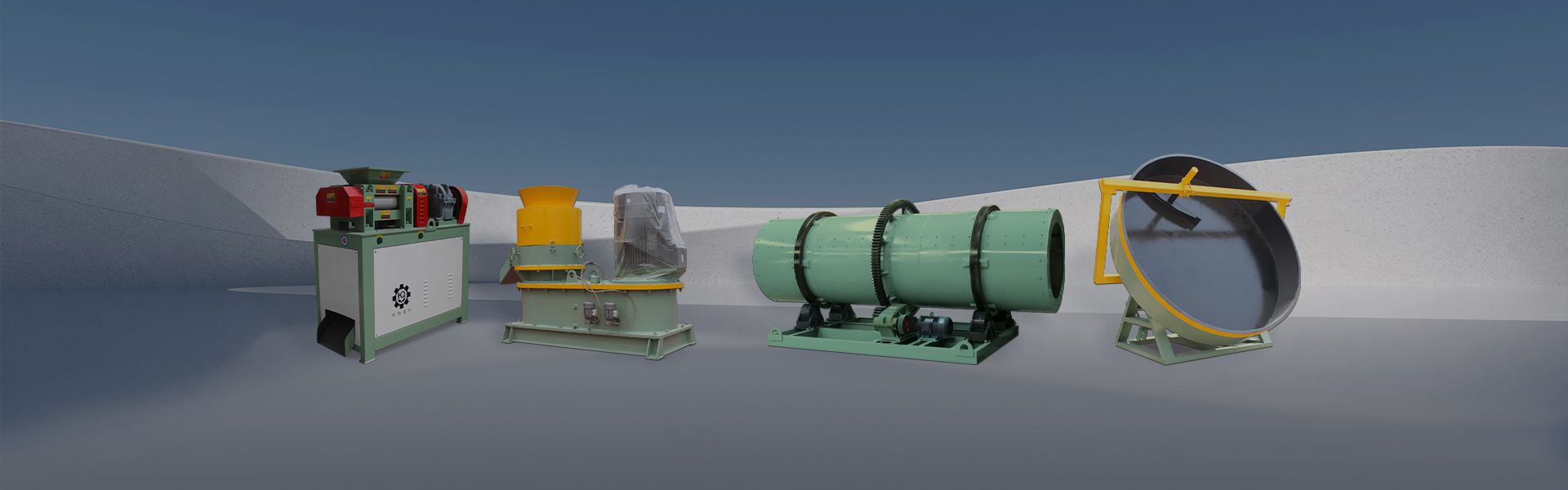
In modern agriculture, a well-designed NPK fertilizer production line acts like a symphony conductor, orchestrating various equipment and processes to compose a prelude to bounty. It involves not only the precise formulation of nitrogen (N), phosphorus (P), and potassium (K) but also represents a complex system integrating multiple fertilizer production technologies.
Core Process and Key Equipment
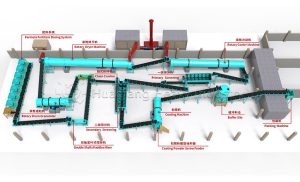
The heart of the npk fertilizer production line begins with the precise weighing and mixing of raw materials. High-accuracy electronic scales and automated batching systems ensure absolute formula precision. The uniformly mixed materials are then fed into the granulator—the “heart” of the entire line. Whether it’s drum granulation, disc granulation, or double roller press granulator, the goal is to form particles with uniform size and optimal strength. Subsequently, the granules enter dryers and coolers, where they stabilize under controlled temperature and airflow. Finally, rotary screener machine separate qualified products, which are then coated by polishing machines to prevent caking, and automatically packaged.
Beyond NPK: System Synergy and Innovation
A truly efficient production line looks beyond NPK compound fertilizers. It often incorporates the flexibility and potential to produce other specialized fertilizers. For instance, adding an extrusion granulation unit can process organic fertilizers; installing a liquid injection system enables the production of water-soluble fertilizers; and by adjusting process parameters, the same equipment can also manufacture bio-organic or slow-release fertilizers. This modular design allows the production line to respond flexibly to diverse market demands.
An Intelligent and Sustainable Future
Today’s state-of-the-art production lines represent a fusion of intelligence and green principles. A central control system acts as the brain, monitoring and optimizing each step in real-time; efficient dust removal and exhaust treatment units protect the environment; and energy recovery technologies embody the commitment to sustainable development. This is more than just an assembly of equipment—it is a modern agricultural solution that ensures efficient resource conversion, environmental friendliness, and intelligent operation.
Therefore, investing in a modern fertilizer production line means embracing precision, flexibility, and responsibility. Through sophisticated processes and broad equipment compatibility, it not only consistently produces high-quality NPK fertilizers but also opens the door to manufacturing diverse plant nutrition products, ultimately contributing robust momentum to global food security and sustainable agricultural development.