
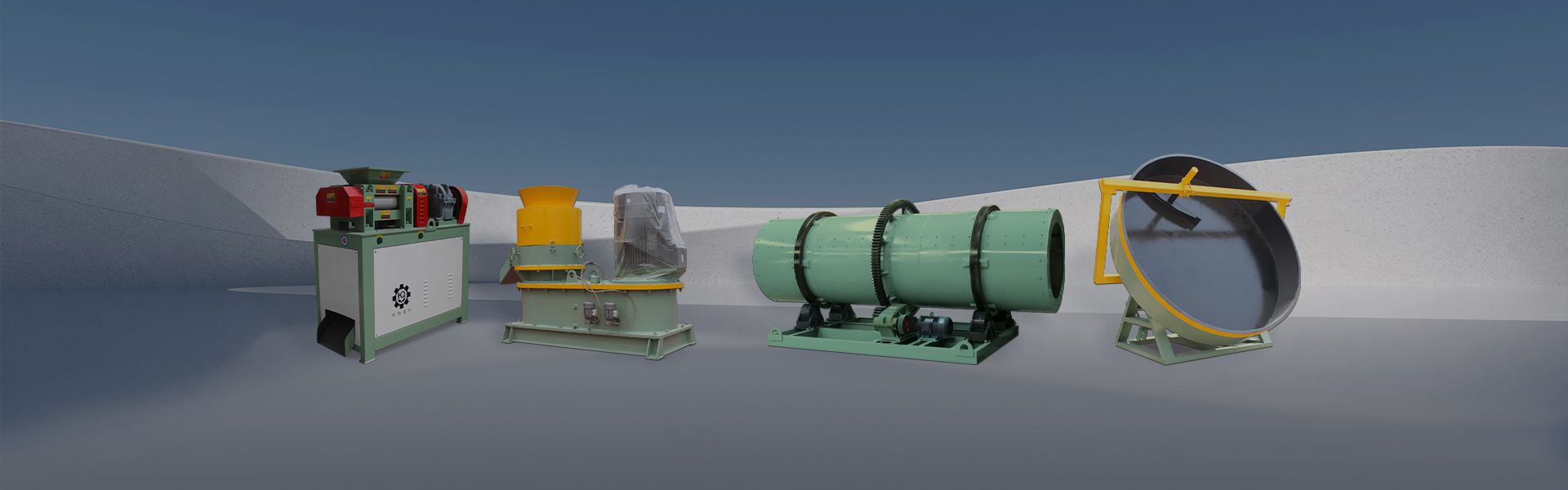
With the accelerating pace of agricultural modernization in my country, the organic fertilizer industry is rapidly moving towards large-scale, intensive, and continuous production. As a core standard piece of equipment in large-scale organic fertilizer production lines with capacities exceeding 10,000 tons, the rotary drum granulator enjoys consistently strong market demand and a very bright development prospect.
Under strong national policy support, including county-wide promotion of livestock and poultry manure resource utilization, high-standard farmland construction, and fertilizer reduction and efficiency improvement, large-scale organic fertilizer production bases have become the mainstream of industry investment, directly driving the rapid growth of the rotary drum granulator market. This equipment boasts outstanding advantages such as high output, stable operation, resistance to impurities, and adaptability to various raw materials. It can efficiently process various organic wastes such as cow manure, sheep manure, mushroom residue, sludge, and straw, adapting to my country’s complex and diverse raw material structure. It is the ideal choice for large-scale fertilizer enterprises to achieve stable mass production and reduce overall costs.
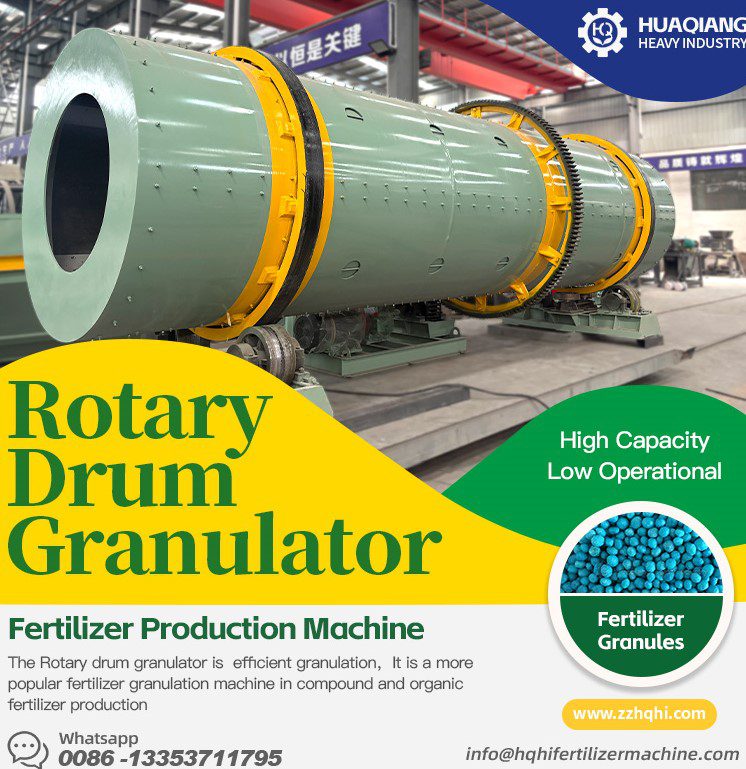
In recent years, rotary drum granulators have continuously upgraded towards intelligence, energy efficiency, and long-term effectiveness. New technologies such as IoT online monitoring, variable frequency intelligent control, and internal anti-stick and wear-resistant structures are being applied, further improving equipment stability and granulation results. From a regional market perspective, the dense construction of new projects in major agricultural and livestock provinces across the country provides strong demand support for rotary drum granulators.
Looking ahead, with the continued deepening of the agricultural circular economy and the steady expansion of large-scale organic fertilizer production capacity, rotary drum granulators, as core equipment for large-scale production, will maintain stable demand in the long term, becoming a backbone force in promoting the high-quality development of the organic fertilizer industry, and their market potential will continue to be released.