
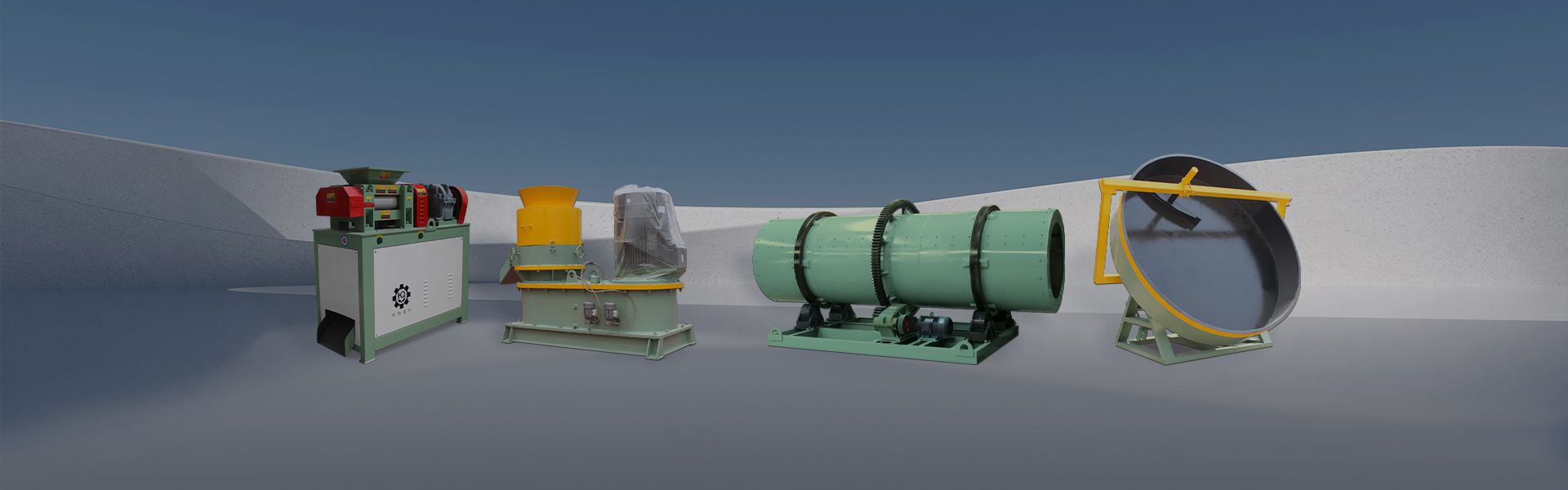
Driven by global “dual carbon” goals and green agriculture policies, the fertilizer industry is facing profound transformation pressure. High energy consumption in the production process, especially the consumption of fossil fuels such as coal and natural gas, is one of the main sources of carbon emissions in the industry. For production enterprises, carbon emission reduction is not only an environmental responsibility but also a strategic issue concerning future survival and competitiveness. Proactively upgrading technology and investing in energy-efficient production equipment is the most direct and effective way to reduce energy consumption at the source and achieve green transformation. This article will explore how to inject “green energy” into fertilizer production through the upgrading of core equipment.
Sources of Carbon Emissions: Identifying Key Energy Consumption Links
In the traditional fertilizer production process chain, there are two recognized “major energy consumers”:
Granulation and drying stages: Especially in compound fertilizer production lines using high-tower or rotary drum granulation, the drying process requires a large amount of thermal energy, usually accounting for 40%-60% of the total energy consumption of the entire plant. The combustion of fuel in the hot air furnace is a direct source of carbon dioxide emissions.
Raw material crushing and material conveying stages: A large number of motor-driven equipment (such as crushers, elevators, and fans) operate under inefficient conditions, consuming huge amounts of electricity and indirectly increasing carbon emissions at the power generation end.
Therefore, the core battle for carbon emission reduction lies in overcoming these high-energy-consuming links.
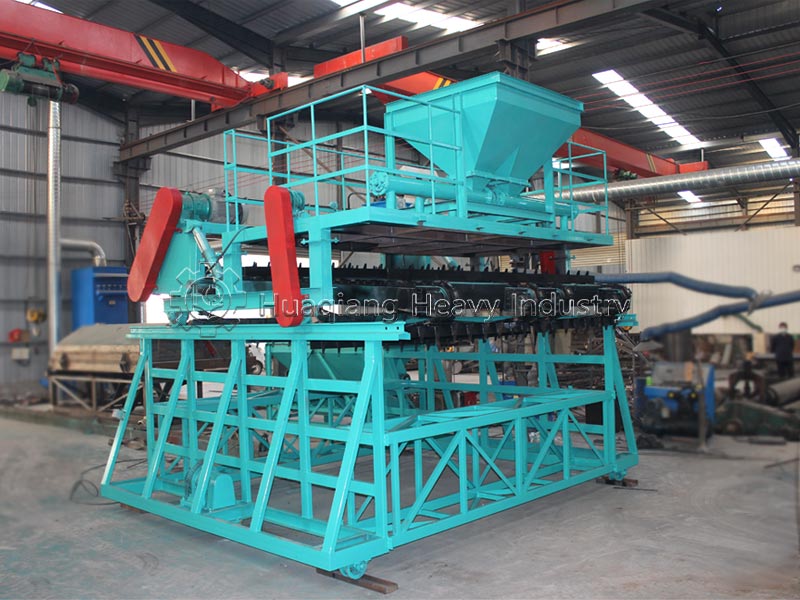
Key Energy-Saving Equipment Solutions
- Thermal System Innovation: High-Efficiency Drying Technology and Waste Heat Recovery
Upgrading the drying stage is the “number one project” for achieving carbon emission reduction. Traditional single-drum dryers generally have low thermal efficiency, and a large amount of heat is wasted with the exhaust gas.
Solution: Adopt a three-pass or multi-layer sleeve type high-efficiency dryer. This equipment, through its multi-layer cylinder design, greatly extends the contact time and heat exchange area between the material and the hot air, increasing thermal efficiency from the traditional 60% to over 75%. This means that the fuel consumption required to produce each ton of product can be reduced by 15%-20%.
Advanced solution: Install a flue gas waste heat recovery system at the end of the dryer. This system recovers heat from the high-temperature exhaust gas (typically 100-150°C) discharged from the dryer, using it to preheat the combustion air entering the furnace or the wet materials before drying. This measure can typically save an additional 5%-10% in fuel consumption.
Data calculation: Taking a compound fertilizer production line with an annual output of 100,000 tons as an example, the coal consumption for drying is reduced from the traditional 120 kg of standard coal per ton of product to 95 kg of standard coal. This saves approximately 2,500 tons of standard coal annually, equivalent to reducing carbon dioxide emissions by approximately 6,500 tons.
- Power System Optimization: Variable Frequency Technology and High-Efficiency Transmission
Dozens or even hundreds of motors throughout the plant are the “invisible” main power consumers. Significant reductions in electricity consumption can be achieved through intelligent transformation.
Core equipment: Promote the use of high-efficiency energy-saving motors and variable frequency control systems (VFDs) on large mixers, rotary kilns, granulators, and fans and pumps.
Energy-saving principle: Traditional equipment motors often operate at a constant speed, but the actual production load fluctuates. Variable frequency drives can precisely adjust the motor speed according to real-time process requirements (such as the amount of material in the mixer, the air pressure requirements of the fan), ensuring that it always operates in the high-efficiency range, avoiding unnecessary losses from “oversized motors for small loads.” The energy-saving effect of variable frequency speed control is particularly significant for fan and pump loads, reaching 20%-40%.
Additional value: Variable frequency starting also reduces the starting current of the equipment, reduces the impact on the power grid, and extends the service life of the equipment.
- Carbon Reduction at the Process Source: Low-Temperature Forming Technology
The most thorough energy saving is “not consuming energy.” This requires innovation at the process source.
Solution: On product lines where conditions permit, use room-temperature forming technologies such as roller extrusion granulation or cold bonding granulation. These processes completely eliminate the drying step that is essential in traditional processes, directly eliminating fuel consumption and its carbon emissions at the source.
Applicable scenarios: Particularly suitable for the production of some organic-inorganic compound fertilizers, special fertilizers, and low-to-medium concentration compound fertilizers. For these products, using extrusion granulation can make the direct carbon emissions of the production process close to zero, which is a truly revolutionary low-carbon technology. Return on Investment and Strategic Value
Investing in energy-saving equipment may appear to be an additional capital expenditure, but it is essentially a high-return strategic investment.
Direct economic return: The aforementioned energy-saving measures can typically recoup investment costs within 1-3 years through savings in fuel and electricity costs, and continue to generate net profits thereafter.
Mitigating policy risks: With the improvement of the carbon trading market and the tightening of environmental taxes and energy consumption control policies, the costs for high-carbon emission enterprises will become increasingly higher. Proactively investing in energy conservation is like buying “carbon cost insurance” for the future.
Enhancing brand image: Having green production lines and low-carbon products can significantly enhance a company’s image in the eyes of the government, buyers, and consumers, becoming a passport to obtaining green credit and entering high-end markets.
The path to carbon reduction in fertilizer production is a path driven by technological innovation, combining cost reduction with green transformation. From upgrading high-efficiency dryers and installing waste heat recovery systems to popularizing variable-frequency mixers and exploring low-temperature molding processes, every solid investment in energy conservation directly reduces the company’s energy bills and carbon liabilities. In the era of green agriculture, companies that complete energy-saving transformations first will not only reap tangible economic benefits but also gain a sustainable development license for the future. This is no longer a matter of choice, but a mandatory question concerning survival and leadership.
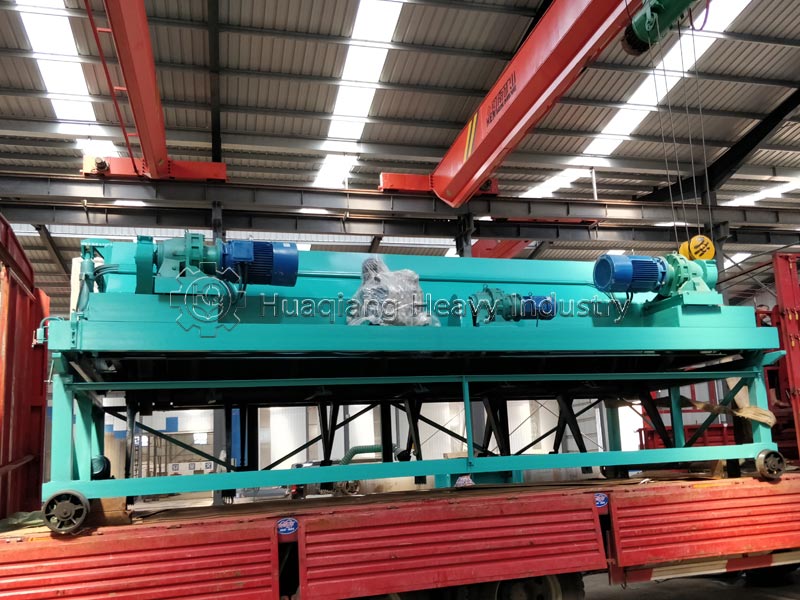
While energy-saving measures in NPK production focus on thermal systems and power optimization, the organic fertilizer sector also offers significant opportunities for carbon reduction through efficient fermentation composting turning technology. Modern composting equipment minimizes energy consumption while maximizing aeration efficiency. For large-scale windrow operations, a large wheel compost turner or windrow composting machine provides thorough mixing with optimized power transmission, reducing fuel consumption per ton of material. For controlled trough systems, a trough-type compost turner or chain compost turner can be equipped with variable frequency drives, matching turning speed and depth to the precise oxygen demand of the microbial community. This precision not only accelerates the organic fertilizer fermentation process but also prevents wasteful over-turning, directly reducing the carbon footprint of organic fertilizer production and aligning with the industry’s green transformation goals.