
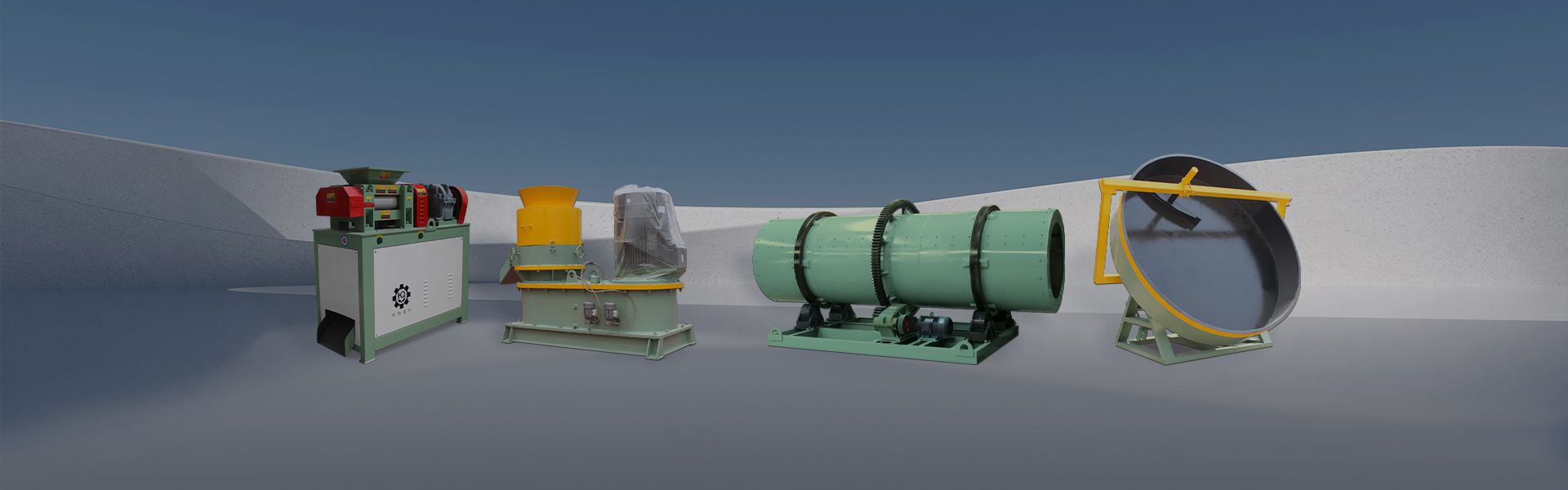
In the grand symphony of modern fertilizer production, if the fertilizer granulator is the sculptor and the cooler the tempering master, then the rotary drum dryer is undoubtedly the core power unit that masters thermal energy and drives off moisture. With its stable, continuous, and highly efficient drying capacity, it transforms wet materials of varying moisture content into uniform dry products, serving as the cornerstone for ensuring smooth operation of the entire production line and the quality of the final product.
Core Principle: A Dynamic, Uniform Thermal Symphony
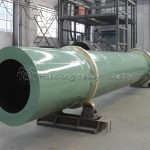
The exceptional performance of the drum fertilizer dryer stems from its ingenious rotating heat exchange design. Wet material enters the slowly rotating large drum at one end and is constantly lifted and cascaded by internal lifters, forming a uniform curtain of material. Simultaneously, high-temperature hot air (from a furnace or gas hot air stove) penetrates this curtain in co-current, counter-current, or a combined flow pattern, engaging in thorough and gentle heat and mass transfer with the material. This dynamic contact method increases efficiency several-fold compared to static drying and effectively prevents local overheating and caking of the material.
Three Key Superior Advantages: Reliability, Economy, Adaptability
Reliability in Continuous Operation: As a continuous drying unit, it can seamlessly connect with upstream granulators and downstream coolers, enabling 24/7 uninterrupted production. Its processing capacity ranges from several to tens of tons per hour, perfectly supporting large-scale manufacturing.
Outstanding Energy Efficiency & Economy: Modern rotary drum dryers are often equipped with multi-layer insulation, efficient hot air distribution systems, and exhaust heat recovery units, significantly reducing energy consumption per unit of product. Their robust construction and low maintenance requirements offer superior long-term economy compared to many batch dryers.
Broad Material Adaptability: Whether it’s granular fertilizer, organic compost, mineral powders, or biomass pellets, the rotary drum dryer can handle them all by adjusting rotation speed, inclination angle, temperature, and airflow. It boasts a high tolerance for fluctuations in initial material moisture, acting as a “stabilizer” on the production line.
Intelligent Evolution: The Technical Core of the Modern Drum Dryer
Today’s top-tier rotary drum dryers are far more than simple rotating steel cylinders. They integrate intelligent temperature control systems that monitor temperatures in different zones in real-time for precise heat input adjustment. Online moisture detectors enable automatic judgment of the drying endpoint and feedback control. Advanced dust removal and exhaust gas treatment units ensure emissions meet stringent environmental standards. These evolutions transform it into an efficient, clean, and intelligent drying solution.
System Value: Beyond a Single Machine, Empowering the Entire Line
Within a complete fertilizer granulation line, the performance of the rotary drum dryer directly impacts the effectiveness of subsequent cooling, screening, and coating processes, as well as the final product’s strength, appearance, and storage stability. A well-designed, reliably operating rotary drum dryer represents a critical investment for boosting overall line capacity, lowering comprehensive costs, and guaranteeing product quality.
Conclusion: Thermal Power, Stable Foundation
Choosing a rotary drum dryer means opting for a time-tested, reliable, and efficient drying philosophy. With its powerful processing capacity, robust operational performance, and continuous evolution in energy efficiency, it firmly holds its position as the core drying equipment in numerous industries like fertilizers, chemicals, and metallurgy. For producers pursuing output, quality, and sustainability, a high-performance rotary drum dryer is undoubtedly a solid thermal engine driving future growth.