
With the large-scale development of cattle and sheep farming, the value of utilizing their manure as a resource has become increasingly prominent. Cattle and sheep manure is characterized by high fiber content, rich organic matter, and a loose texture; after decomposition, it contains low levels of heavy metals and abundant humus. When processed into organic fertilizer, it alleviates soil compaction, improves soil aeration, and boosts the quality and yield of fruits, vegetables, and nursery stock. Simultaneously, it enables the on-site consumption of livestock waste—preventing pollution of water and soil caused by indiscriminate discharge—and transforms waste into a valuable asset. This closes the loop between crop cultivation and livestock farming, balancing ecological benefits with economic returns, and serves as a high-quality raw material for ecological agriculture.
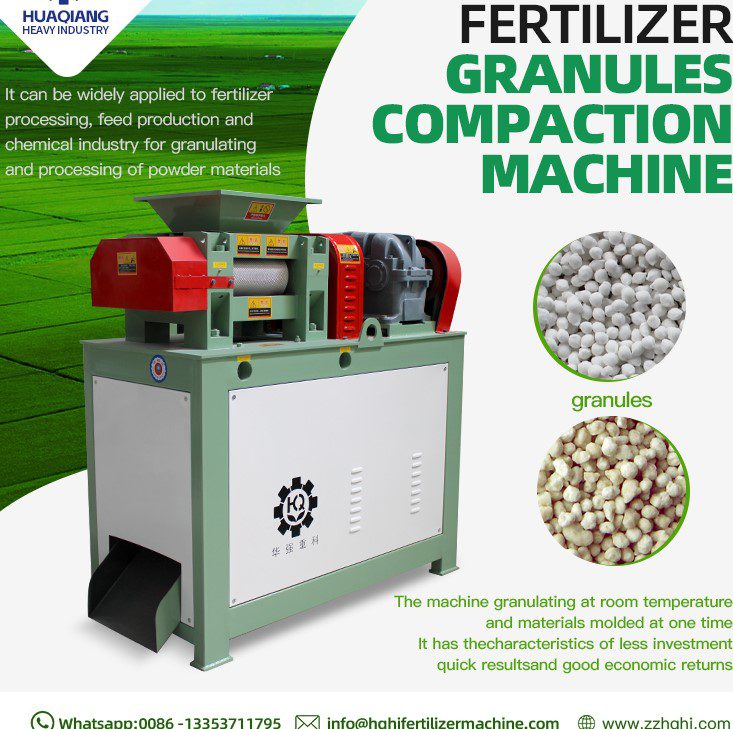
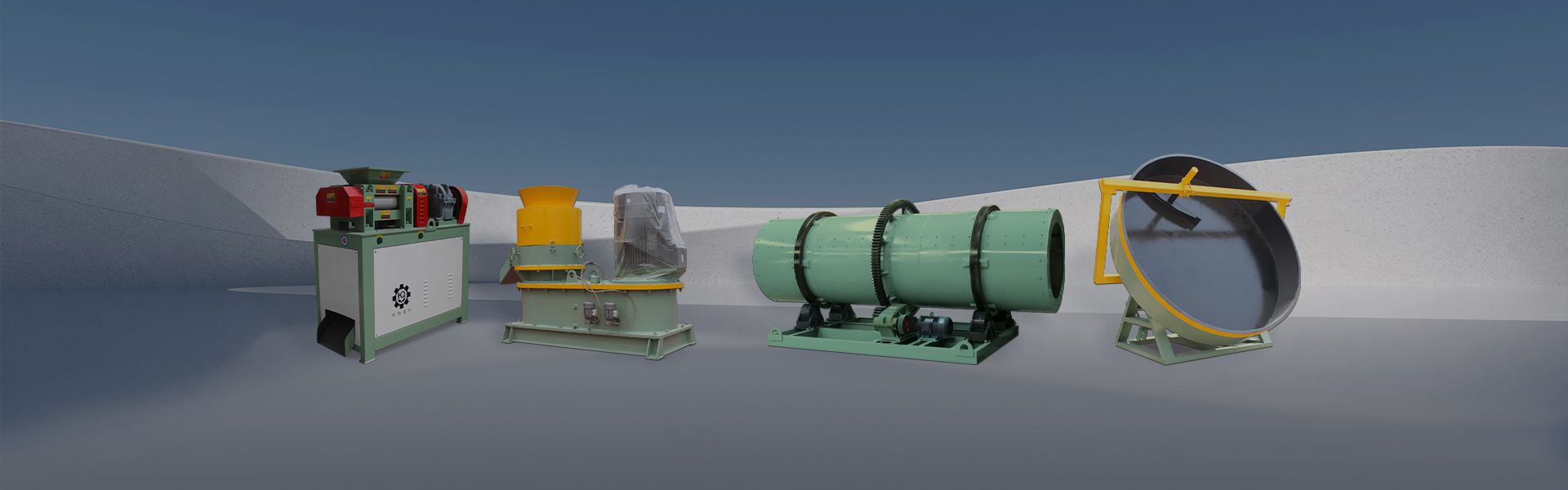
The dry-method double-roller press granulator is the optimal equipment choice for producing organic fertilizer from cattle and sheep manure. Featuring a room-temperature, dry-method granulation process that requires no drying, this equipment is specifically engineered for livestock manure with high fiber content and low-to-medium moisture levels. It relies on high-pressure physical press between two rollers to form granules, eliminating the need for added water, moisture, or external binders. Unlike wet granulation equipment (such as stirring-tooth or disc granulators), it is perfectly suited to the specific properties of cattle and sheep manure: coarse fibers, high permeability, and low inherent adhesiveness. Traditional wet granulation is designed for high-viscosity manure; using it for cattle and sheep manure often results in crumbling granules and poor shaping, while also requiring large-scale dryers that incur extremely high energy costs. In contrast, the double-roller press granulator allows for direct granulation after the decomposed manure is simply crushed and screened (provided moisture content is below 15%). This simplifies production workflows and is ideal for mass production operations at small-to-medium-sized farms and organic fertilizer processing plants.
When considering the operational conditions for processing cattle and sheep manure, the core advantages of this equipment are outstanding. First, the process eliminates the need for drying, thereby saving on equipment procurement and energy costs (fuel and electricity); this significantly reduces processing energy consumption per ton of fertilizer while preserving the original organic matter and beneficial microbial activity of the cattle and sheep manure, ensuring higher nutrient retention. Second, the resulting granules exhibit excellent structural stability; the process effectively handles the coarse fibers in cattle and sheep manure to produce hard, durable granules that resist clumping during storage and transport, making them suitable for both bulk field spreading and bagged retail. Third, the system offers simple operation and maintenance, featuring low equipment failure and material recirculation rates, high raw material utilization, and zero wastewater or exhaust emissions, thus meeting environmental production standards.
In summary, the double-roll press granulator—with its core advantages of energy efficiency, environmental friendliness, and high adaptability—resolves key industry challenges such as the difficulty of granulating cattle and sheep manure, high production costs, and significant nutrient loss. By leveraging dry granulation technology that requires no drying, it efficiently transforms livestock manure into a valuable resource and lowers the barrier to entry for establishing organic fertilizer plants. It facilitates pollution reduction in livestock farming and quality improvement in crop cultivation, supports green, low-carbon, and sustainable agricultural development, and has become a pivotal piece of equipment for upgrading integrated crop-livestock farming systems.