
The foul odors generated during composting primarily stem from ammonia, hydrogen sulfide, mercaptans, and volatile fatty acids; their production is closely linked to localized anaerobic conditions, C/N ratio imbalances, and abnormal pH levels. Systematic odor control strategies are outlined below:
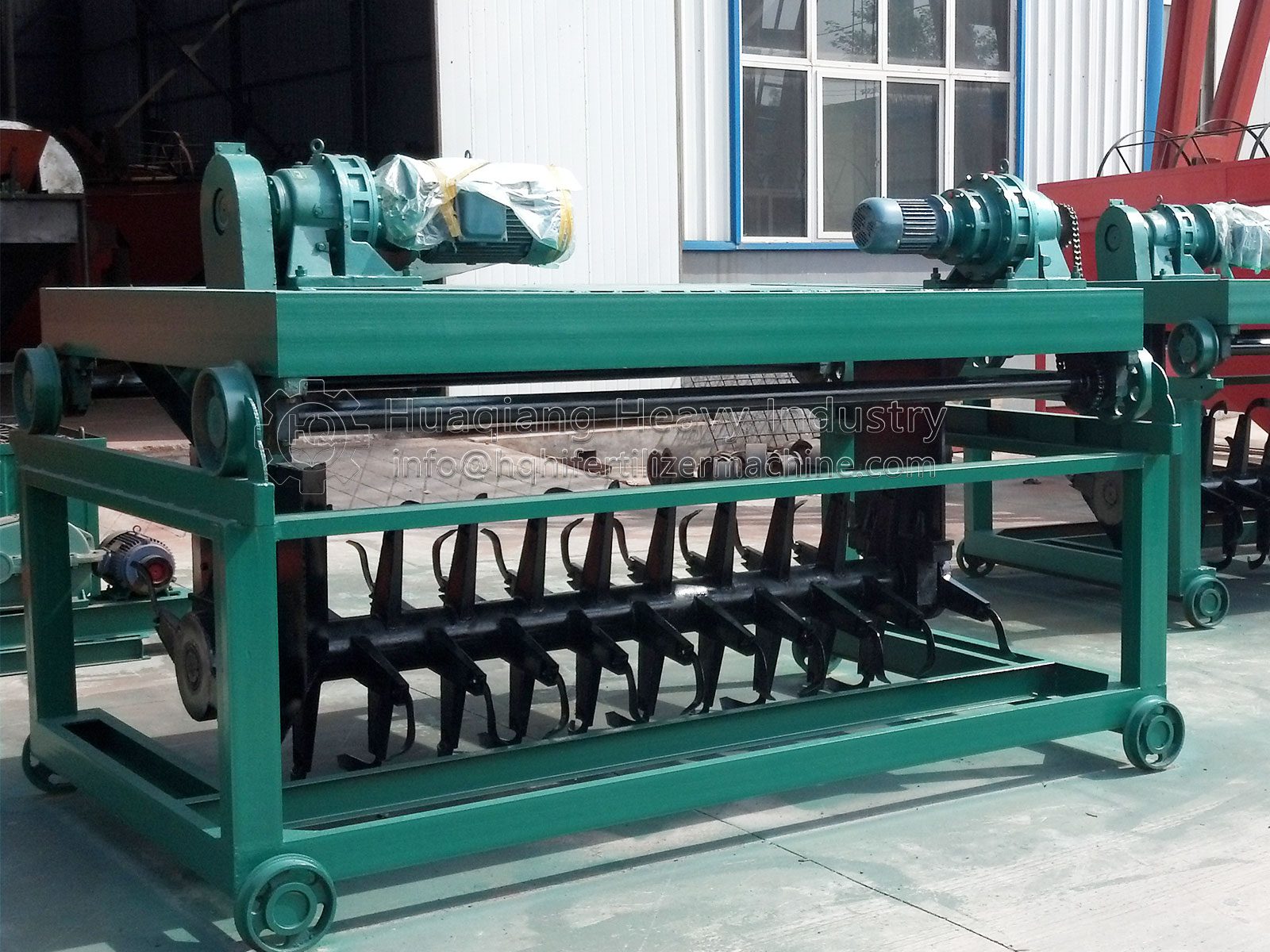
Odor reduction at the source: Ensure the initial C/N ratio of the compost pile is between 25:1 and 30:1 to prevent excessive nitrogen from causing massive ammonia release. Additionally, maintain the initial moisture content between 50% and 60%; excessive moisture clogs the voids between materials, hindering oxygen diffusion and triggering anaerobic odor production. Turn the pile every 1–2 days to keep the oxygen concentration above 5%, thereby inhibiting sulfate-reducing bacteria and reducing hydrogen sulfide generation.
Physical/chemical odor control: During turning operations, spray biological deodorizers (such as EM bacterial solutions) or chemical scrubbing agents (dilute phosphoric acid or ferrous sulfate solutions) to remove gaseous ammonia and sulfides through neutralization or adsorption. It is recommended to apply 5–10 liters of deodorizing solution per tonne of material, spraying it evenly over the surface of the turned material.
Centralized end-of-pipe treatment: For channel-type fermentation facilities, covering the channel surface with a breathable composite membrane (such as PTFE) is recommended to channel fugitive gases to a biofilter or acid-scrubbing spray tower for centralized purification. The biofilter should be packed with wood chips, bark, or mature compost as a carrier medium; maintain an airflow velocity of 0.1–0.3 m/s and a residence time of at least 15 seconds to achieve odor removal efficiencies exceeding 90%. Regularly monitor the filter’s moisture content (maintaining 40%–60%) and pH value (maintaining 6–8) to ensure stable microbial activity.