
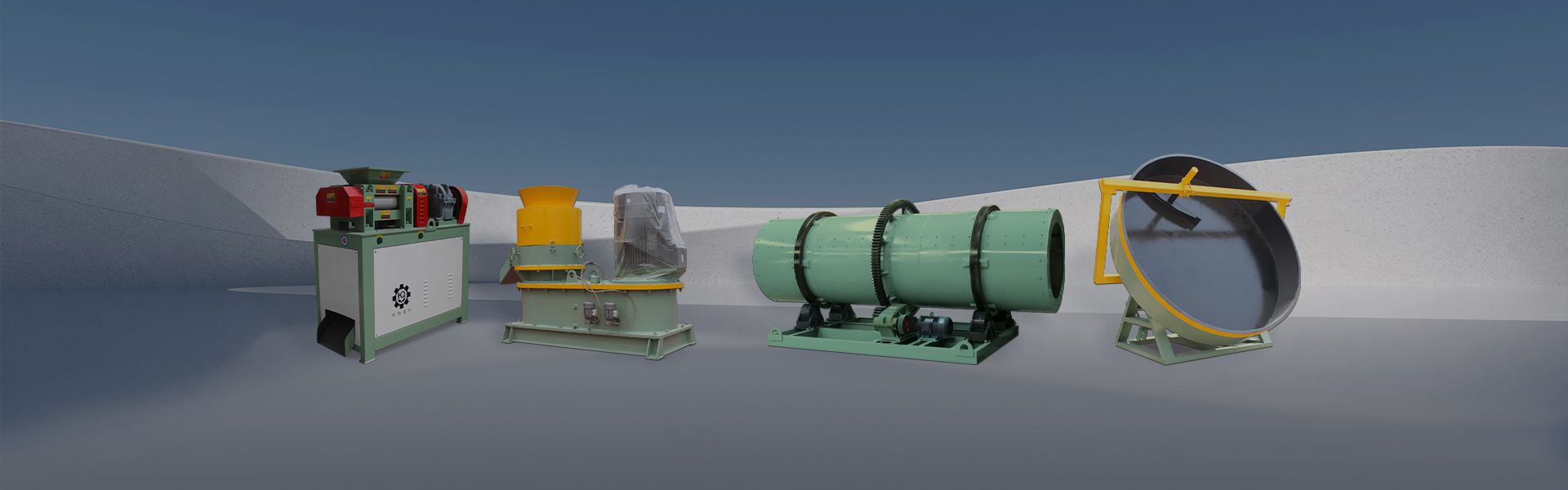
Every day, farms produce large amounts of manure, which, if not properly handled, can pollute the environment and breed flies and mosquitoes. In fact, this “waste” can be transformed into high-quality, nutrient-rich fertilizer simply by passing through a complete organic fertilizer production line.
Core Process: Four Steps to Transformation
From wet manure to dry granular fertilizer, four key processes are required:
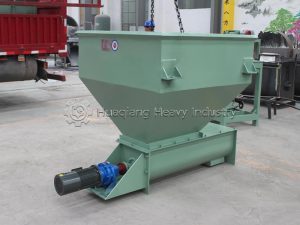
Step 1: Raw Material Pretreatment
Fresh chicken and pig manure typically have a moisture content as high as 70%-80%. The moisture content needs to be adjusted to 50%-60%, and auxiliary materials such as straw powder and rice husks are mixed in to adjust the carbon-nitrogen ratio. This step directly determines the success or failure of subsequent fermentation.
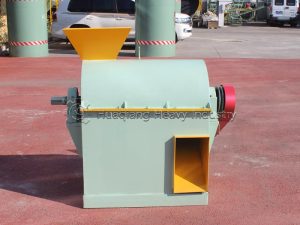
Step 2: Crushing and Mixing
Use a semi-wet crusher to process sticky and wet materials. This type of crusher is specifically designed for fibrous materials with high moisture content and easy tangling. The internal hammers and screens are treated with an anti-stick coating, which can easily break up clumps of manure and auxiliary materials, creating a loose material environment for subsequent fermentation.
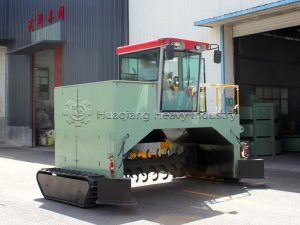
Step 3: Aerobic Fermentation
The mixed materials are piled into long strips and turned periodically by a compost turner. The key functions of the compost turner are: firstly, to supplement the material with oxygen, allowing thermophilic aerobic bacteria to multiply rapidly; and secondly, to evaporate excess moisture and kill insect eggs and pathogens. Fermentation typically takes 15-20 days in summer and 25-30 days in winter, with the temperature maintained above 55℃ for 5-7 days.
Step 4: Granulation and Refining
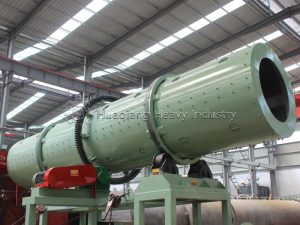
The fermented material is a dark brown powder, but it cannot be applied directly. It needs to be granulated using a granulator (disc, drum, or extrusion type), and then sieved to remove fine powder, ultimately obtaining uniform, easy-to-store, and easy-to-spread organic fertilizer granules.
Equipment Combination: Efficiency Requires a Complete Set
A standard configuration for a complete production line includes:
Semi-wet pulverizer (for materials with a moisture content ≤60%)
Hydraulic or mobile compost turner (selected based on pile width)
Pelletizer (roller extrusion type recommended, no additional heating or drying required)
Drum screener (2mm-4mm aperture)
Three Major Advantages: Environmentally Friendly, Cost-Reducing, High-Yield
Significant Environmental Benefits: Treating 1 ton of livestock manure can reduce methane emissions by approximately 0.3 tons, while eliminating odor and pathogen sources.
Low Cost, Quick Return: Compared to external raw material transportation, self-made organic fertilizer can save 80-120 RMB per ton in processing fees. Based on an annual production of 10,000 tons, the equipment investment can be recovered in 8-12 months.
Stable Yield: Modern production lines are highly automated, with common processing capacities ranging from 1-20 tons/hour, and pellet formation rates exceeding 90%.
If you plan to build a production line, it is recommended to first test the moisture content and organic matter content of the raw materials to determine the turning frequency and auxiliary material ratio. Small and medium-sized farms can opt for a simple configuration of a compost turner and a semi-wet pulverizer, while large ranches will need to add an automatic batching and packaging system. Remember to equip the fermentation area with a rain shelter and leachate collection ditch to meet environmental protection requirements while extending the equipment’s lifespan.
The core process—raw material pretreatment, crushing/mixing, aerobic fermentation, and granulation/refining—is the foundation of a successful organic fertilizer line. The fermentation stage is managed by fermentation composting turning technology. The choice of turning equipment—a large wheel compost turner for open-air windrows, a trough-type compost turner for controlled environments, or a windrow composting machine for flexible operation—directly impacts oxygen supply, temperature control, and pathogen kill. A trough-type aerobic fermentation composting technology system with a dedicated turner is ideal for controlled, continuous production. The agriculture waste compost fermentation machine is the core of this process. Fertilizer raw material processing machinery and equipment includes the semi-wet crusher (for high-moisture materials), mixer, and granulator. After fermentation, the mature material is ready for granulation. A disc granulation production line (wet process) produces spherical granules but requires drying. A roller extrusion line (dry process) eliminates drying, saving energy. For small to medium farms, a simple configuration of a compost turner and semi-wet crusher may suffice; large ranches need automatic batching and packaging systems. Key parameters: moisture adjusted to 50%-60%, C/N ratio balanced, fermentation temperature >55°C for 5-7 days, cycle 15-30 days (depending on season). The key to successful fermentation composting turning technology is proper aeration, temperature control, and moisture management. Understanding the differences between large wheel compost turner (open-air) and trough-type compost turner (controlled) systems is essential for selecting the optimal fermentation process for your scale and site conditions, ensuring environmental compliance (rain shelter, leachate collection) and high-quality organic fertilizer production.