
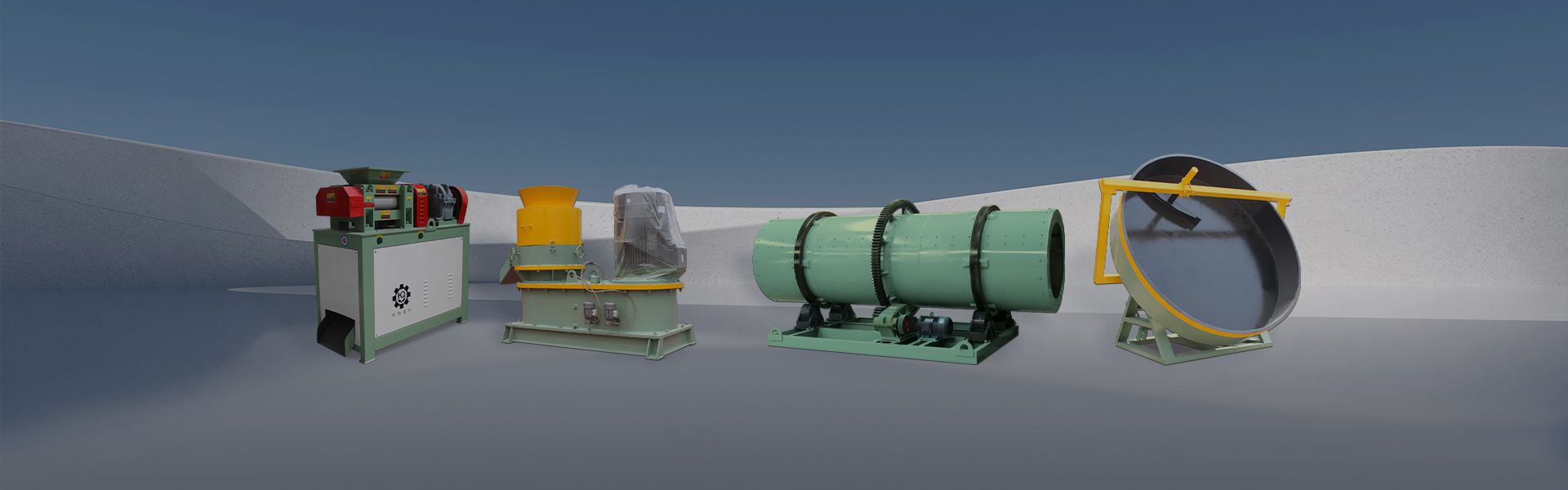
In organic fertilizer production, compost turning equipment operates for extended periods in harsh environments characterized by high humidity, corrosiveness, and high dust levels, making it a true “workhorse” on the production line. However, overseas users often face real challenges such as slow after-sales response, difficulty in procuring spare parts, and rapid wear and tear on vulnerable components. A scientific operation and maintenance system can not only reduce equipment failure rates by 70% but also extend service life by 3-5 years. This article outlines key operation and maintenance points for users of large wheel-type and chain-plate compost turners.
Vulnerable components of large wheel compost turners are concentrated in the walking and turning systems: tires wear out quickly in muddy areas and should be maintained at a pressure of approximately 0.7 MPa; scrapers and turning blades, due to constant friction with materials, must be replaced when wear exceeds 1/3 of their length; poor lubrication of transmission bearings can easily lead to overheating and burnout.
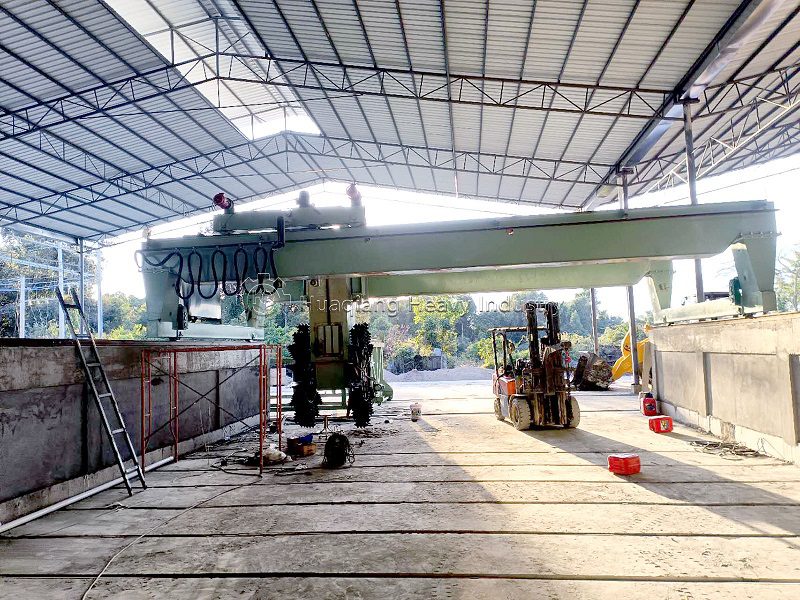
The core vulnerable parts of a chain-type compost turner include: the chain – tension must be maintained with a deflection ≤20mm; if tension exceeds 2%, the entire chain must be replaced; scrapers and blades – timely replacement after wear can prevent damage to the main unit; and the travel motor and hydraulic system seals.
Before daily operation, a “5-minute comprehensive check” must be completed: check for loose connecting bolts; clear debris from the travel track and around the cutter roller to prevent stones and hard objects from damaging the blades; confirm the condition of the tires or tracks; the tire pressure of large-wheel compost turners must be normal; check the reducer lubricating oil level.
During operation, the equipment status must be monitored: after startup, perform a no-load test run to confirm the correct rotation direction; listen for abnormal noises from the reducer and bearings; observe the hydraulic system oil level, maintaining it at 1/2-2/3 of the mark.
After shutdown, a thorough cleaning is essential: remove residual material from the cutter roller, chassis, and hopper to prevent it from drying and causing jamming upon next startup; if paint peeling is found, promptly reapply anti-rust paint; self-propelled equipment must be parked in a dry and ventilated area.
Chain: Lubricate every 100 hours of operation; check pin wear after 500 hours; replace immediately if tension exceeds 2%. Turning Blade Heads: Replace in groups when wear exceeds 1/3 of the length. Bearings: Operating temperature exceeding 70℃ indicates potential malfunction; check lubrication. Hydraulic Oil: Replace immediately if emulsified or discolored; change regularly every 1000-1500 hours.
Replacement Tips: Do not mix old and new chains when replacing chains; replace cutting heads in groups to maintain dynamic balance; bleed the hydraulic system after oil changes to prevent cavitation.
For long-term outdoor operation, corrosion prevention is key to extending lifespan. Daily Protection: After each cleaning, spray rust-preventive oil on exposed metal surfaces such as chains and pins. Regular “Skin Care”: Check for rust on the machine body quarterly and treat rusted areas with a “zinc-rich epoxy primer + polyurethane topcoat” anti-corrosion solution. Long-Term Storage: After thorough cleaning, apply rust-preventive oil, relax chain tension, and place desiccants on electrical components.
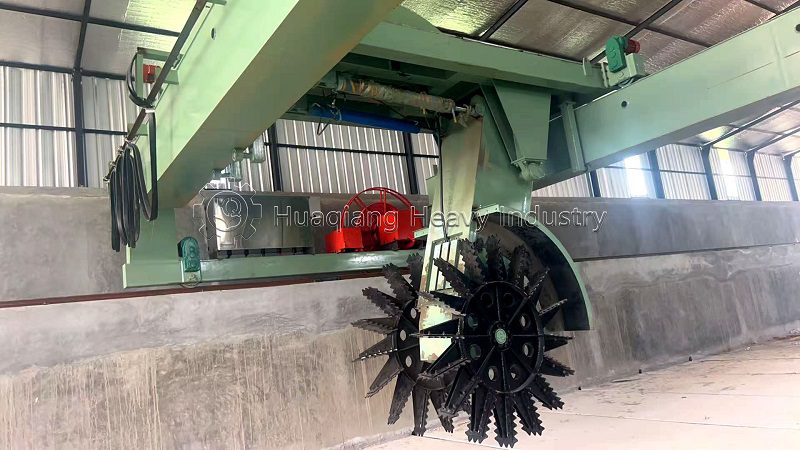
Compost Turner Operation and Maintenance
The detailed maintenance guide for large wheel and chain plate compost turners is universally applicable to the core equipment of fermentation composting turning technology. Whether it’s a powerful large wheel compost turner processing massive windrows or a versatile windrow composting machine for smaller operations, the principles of daily cleaning, regular lubrication, and timely replacement of wear parts are fundamental. A chain compost turner, with its own unique set of vulnerable parts like chains and scrapers, requires specific attention to chain tension and alignment. For controlled, enclosed systems, a trough-type compost turner operating on fixed tracks demands careful inspection of the track and wheel assemblies. All these machines are essential organic fertilizer equipment, and their reliable operation is the backbone of any efficient production line. By implementing a rigorous operation and maintenance system—from the pre-start “5-minute check” to post-shutdown cleaning and seasonal corrosion prevention—users can dramatically reduce the failure rate of their fermentation composting turning technology investment. This proactive approach not only minimizes downtime but also significantly extends the lifespan of these critical machines, ensuring they continue to transform organic waste into valuable fertilizer for years to come.
Our company provides genuine parts supply services to global users—we have a stock of easily worn parts such as large wheel tires, chain plates and chains, and turning blades, and support global delivery. For overseas users, we offer remote troubleshooting guidance: through video connection, engineers can assist in diagnosing faults and guide replacement operations, significantly reducing downtime.