
In modern fertilizer production, the stability and precision of raw material feeding are often the invisible keys determining the efficiency of the entire production line and the quality of the final product. Imagine if material flow were irregular—sometimes fast, sometimes slow, uneven in volume—the subsequent processes such as mixing and granulation would resemble an orchestra without a conductor: chaotic and disjointed. The Uniform Feeder is precisely the “rhythm conductor” that solves this challenge. With its consistent accuracy and reliable stability, it ensures that materials flow smoothly and evenly into the next stage, much like a steady stream, making it an indispensable “heart component” of any intelligent fertilizer production line.
Why Is Uniform Feeding So Critical? What Are Its Core Advantages?
A uniform feeder is far more than a simple conveyor belt. Through precise mechanical design or intelligent control systems (such as variable frequency drives or gravity sensors), it achieves a constant flow output for various powdered, granular, or flake fertilizer raw materials. Its core advantages are reflected in three areas:
Ultimate Precision, Guaranteed Formulation
In compound fertilizer production, raw materials like nitrogen, phosphorus, and potassium must be mixed in strict proportions. The uniform feeder ensures each material is supplied to the mixer at a preset, accurate rate, eliminating formulation errors at the source. This results in consistent nutrient content and reliable quality for every batch.
Stable & Efficient, Boosting Productivity
It eliminates flow fluctuations caused by manual feeding or simple mechanical methods, providing downstream equipment like crushers, dryers, and granulators with a continuous, stable material stream. This allows subsequent machinery to operate consistently in their optimal state, reducing idle running or overloads. Overall line efficiency can improve by 15%-30%, with corresponding energy savings.
Strong Adaptability, Handling Complex Materials
Whether dealing with moisture-absorbing organic fertilizer materials or poor-flowing powders, modern uniform feeders can effectively manage them through anti-clogging designs, vibration assistance, or special paddle structures. This ensures smooth, blockage-free feeding, significantly reducing downtime for cleaning.
Case Study: Witnessing Its “Alchemy” in Action
At a large compound fertilizer plant in Vietnam, inconsistent manual feeding once led to uneven granule sizes in the granulation process, resulting in high product return rates. After installing a fully automated uniform feeding system, the plant not only achieved synchronous and precise feeding of multiple raw materials but also enabled real-time micro-adjustments of feed rates based on production data through PLC and central control system integration. The results were astounding: product granule qualification rate soared from 78% to 95%, daily production line capacity increased by 22%, and annual savings from reduced material waste due to inaccurate formulations exceeded USD 100,000. The plant manager remarked, “It’s like a tireless, precise steward, making the entire production process elegant and highly efficient.”
The “Harmonious Symphony” with Production Line Partners
The efficiency of a uniform feeder relies on seamless collaboration with other core equipment:
Positioned after the Crusher (e.g., Chain Crusher), it evenly feeds crushed materials into the mixer, preventing pile-ups.
Synchronized with the Mixer, it ensures the mixing chamber maintains an optimal fill level for more homogeneous blending.
Before materials enter the drum fertilizer dryer or Cooler, even spreading allows hot or cold air to penetrate the material bed uniformly, significantly improving heat exchange efficiency and saving energy.
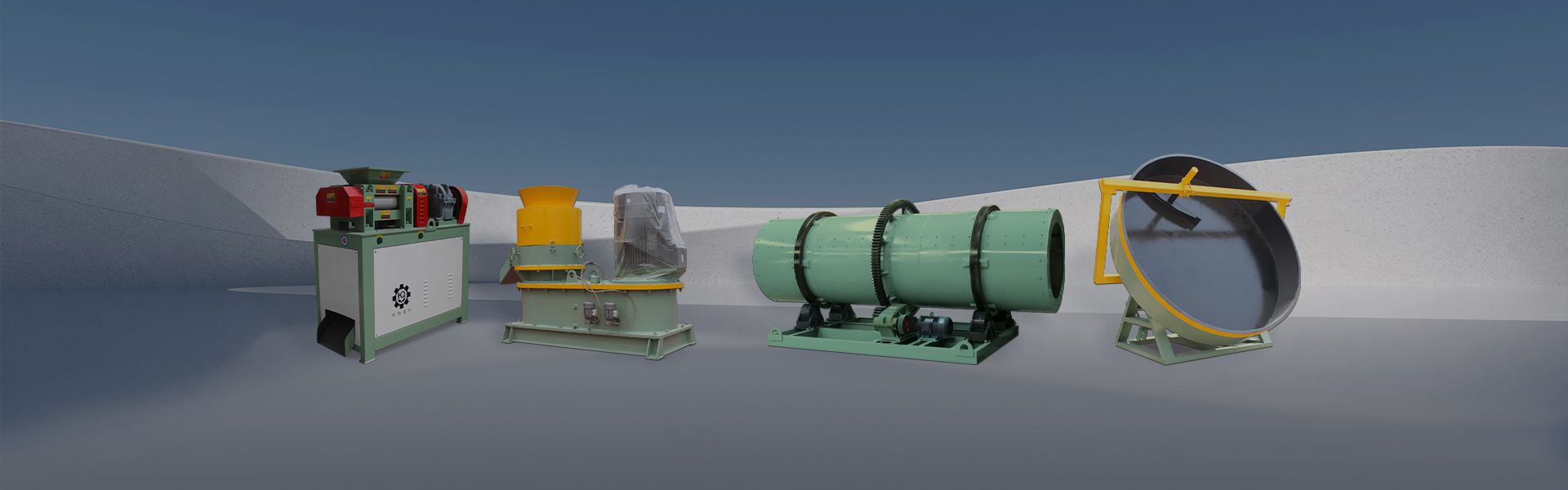
Providing stable “supplies” for the Granulator is the foundation for producing fertilizer granules with uniform particle size and strength.
Conclusion: The Cornerstone of Intelligent Production
As fertilizer production advances toward full automation and intelligence, the uniform feeder has evolved from a supporting role into a central control node. With precision and stability, it silently safeguards every step of the production process, transforming the simple concept of “uniformity” into tangible quality and profit. Whether aiming to enhance an existing line or planning a new smart factory, investing in a reliable uniform feeder is undoubtedly a critical step toward production excellence.