
In the field of organic waste treatment, windrow composting has been widely adopted globally as a traditional yet effective composting method. This approach involves arranging organic materials into elongated piles that undergo biological degradation under natural or mechanically assisted conditions, ultimately transforming into valuable organic fertilizer.
Composting Cycle and Process
The complete windrow composting cycle typically requires 1.5 to 3 months, comprising two crucial phases. The high-temperature fermentation period lasts 15-30 days, during which pile temperatures can rise to 55-65°C, effectively eliminating pathogens, insect eggs, and weed seeds. The subsequent maturation stabilization phase requires 30-60 days, where pile temperatures gradually decrease while microorganisms continue decomposing organic matter until the compost reaches a stable state. The entire process efficiency is significantly influenced by factors such as raw material ratio, moisture content, and turning frequency.
Challenges of Traditional Methods
Despite its simplicity and practicality, windrow composting faces several challenges. This method heavily relies on manual operations, requiring regular turning to ensure proper aeration. The open-air stacking method makes it vulnerable to weather conditions – rainfall may cause pile waterlogging while dry conditions necessitate frequent moisture supplementation. Additionally, windrow composting requires substantial space and carries risks of odor dispersion and leachate contamination.
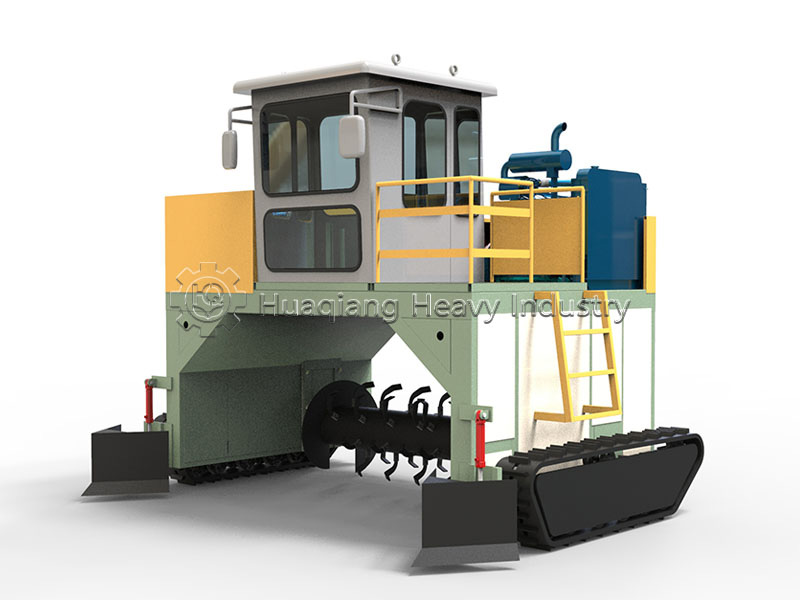
The introduction of compost turners has significantly improved windrow composting efficiency. These equipment enable deep pile turning, optimize oxygen supply, reduce the high-temperature fermentation period by 30%-50%, and shorten the total cycle to 1-2 months.
Mechanized Solutions
Track-type compost turners, as core equipment for windrow composting, address multiple pain points of traditional composting through mechanization. These machines can process 50-100 cubic meters of compost piles per hour, substantially reducing labor intensity. Advanced intelligent compost turners equipped with temperature and humidity monitoring devices can precisely control composting parameters, ensuring consistent compost quality.
Economic Viability and Applicability
From an economic perspective, windrow composting is particularly suitable for small to medium-scale applications. For small and medium-sized organic fertilizer plants and farms, this method offers low initial investment and controllable operating costs, effectively achieving resource utilization of organic waste. However, in large-scale scenarios processing over 50 tons daily, its economic advantage diminishes due to increased space requirements and labor costs.
Overall, windrow composting, when assisted by mechanical equipment, remains a practical and economically viable solution for organic waste treatment. As technology continues to advance, this traditional composting method is integrating with modern technology, providing crucial support for sustainable agricultural development.
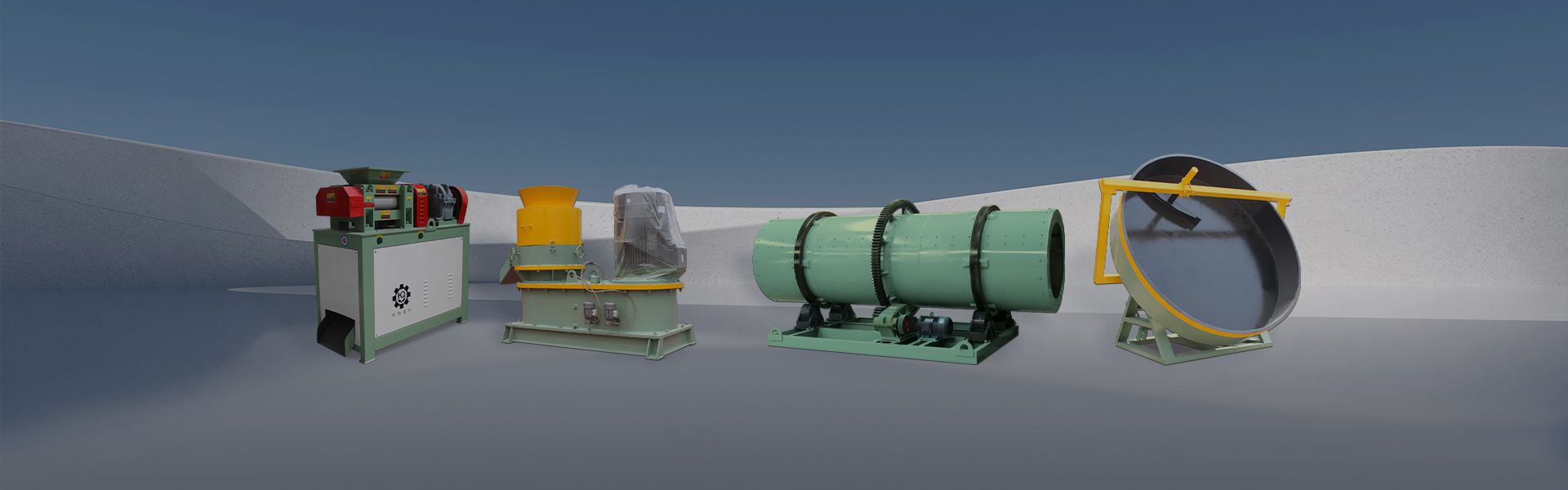
In conclusion, modern windrow composting represents a crucial initial phase in comprehensive organic fertilizer manufacturing systems. The integration of mechanical equipment like large wheel compost turner and chain compost turning machine has revolutionized the organic fertilizer fermentation process, significantly enhancing the efficiency of fermentation composting technology for organic fertilizer. These windrow machine systems work in harmony with subsequent processing equipment to form complete organic fertilizer production line and bio organic fertilizer production line setups. The complete fertilizer production machine system typically progresses from initial composting using chain compost turner equipment to granulation through disc granulator or rotary drum granulator technology, followed by drying in drum organic fertilizer dryer systems. While windrow composting focuses on the biological transformation of organic matter, similar mechanical principles apply in synthetic fertilizer production, where npk fertilizer production line configurations utilize drum granulation and roller press granulator production line equipment. The npk fertilizer manufacturing process and organic fertilizer fermentation thus represent complementary approaches within modern agriculture, both relying on advanced fertilizer making machine technology to transform raw materials into valuable soil amendments that support sustainable crop production worldwide.