
In the modern organic fertilizer production chain, the integration of fermentation composting turning technology, trough-type aerobic fermentation composting technology, and advanced fertilizer production machine technology forms an efficient, eco-friendly workflow. These core technologies complement each other, transforming agricultural waste, livestock manure, and biodegradable materials into high-quality organic fertilizer while ensuring environmental compliance and production efficiency. As the demand for sustainable agriculture grows, their coordinated application has become a benchmark for upgrading the organic fertilizer industry.
Trough-type aerobic fermentation composting technology serves as the foundation of organic fertilizer fermentation, providing a controlled environment for microbial decomposition. This technology utilizes enclosed or semi-enclosed troughs to hold raw materials, with systematic aeration systems delivering oxygen to aerobic microbes—key drivers of organic matter breakdown. The trough design enables centralized management of fermentation parameters, including temperature (maintained at 55-65°C), moisture (50%-60%), and oxygen content, effectively killing pathogens and weed seeds while accelerating decomposition. Compared to open-pile fermentation, trough-type systems reduce odor emission, minimize land occupation, and ensure consistent compost quality, making them suitable for large-scale industrial production.
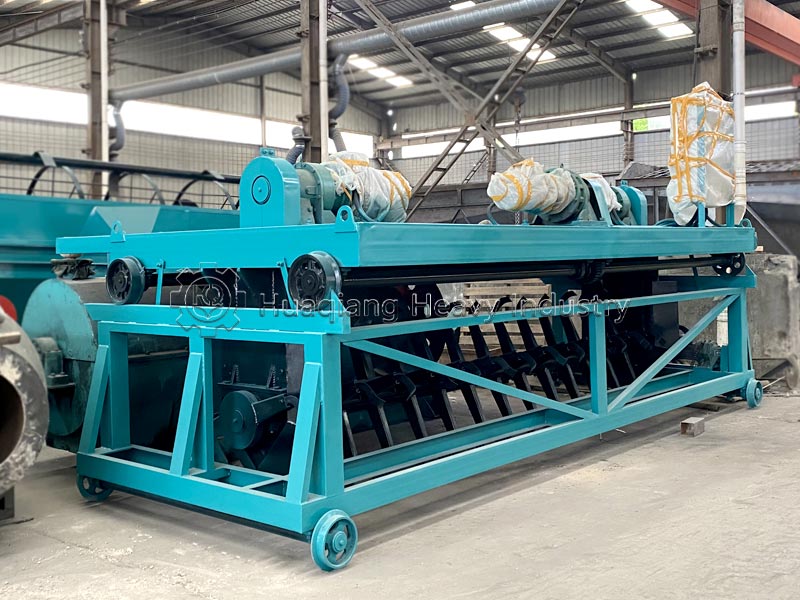
Fermentation composting turning technology is indispensable for optimizing trough-type aerobic fermentation. Turning machinery, such as trough-type compost turners, agitates and flips raw materials in the troughs at regular intervals. This process enhances oxygen penetration, breaks up caking, and homogenizes temperature and moisture distribution, preventing anaerobic fermentation that generates harmful gases and reduces compost quality. Modern turning equipment is equipped with adjustable speed and turning depth, adapting to different material properties and fermentation stages. Some intelligent models integrate sensors to automatically adjust turning frequency based on real-time temperature and oxygen data, realizing precise process control.
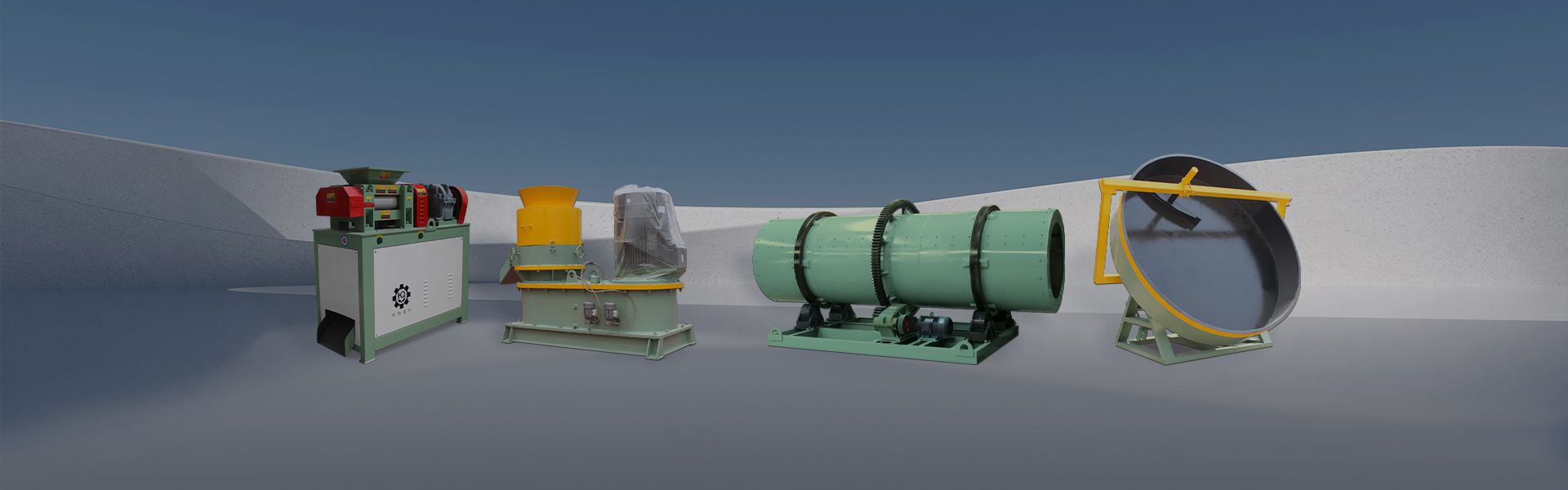
Fertilizer production machine technology bridges the gap between fermented compost and finished organic fertilizer, upgrading raw compost into marketable products. After fermentation, specialized machinery processes the mature compost through crushing, screening, mixing, and granulation. Crushers grind bulky compost into fine powder, while screening equipment removes impurities to improve product uniformity. Mixers blend compost with auxiliary nutrients to adjust nutrient ratios, and granulators (such as disc or extrusion models) convert powder into granular fertilizer, enhancing storage stability and application convenience. Advanced production lines integrate these machines with automated control systems, realizing continuous operation and reducing labor costs.
The synergy of these three technologies delivers remarkable environmental and economic benefits. Trough-type aerobic fermentation and turning technology ensure thorough decomposition of organic waste, reducing environmental pollution from waste disposal. Fertilizer production machinery maximizes the value of fermented compost, producing nutrient-dense organic fertilizer that improves soil structure and reduces chemical fertilizer dependence. Energy-saving designs in modern machinery, such as heat recovery systems in fermentation troughs and low-power turning equipment, further lower production costs and carbon emissions.
Technological innovation continues to enhance the performance of these systems. Intelligent trough-type fermentation systems now feature remote monitoring and automatic aeration adjustment, while turning machinery adopts wear-resistant materials to extend service life. Fertilizer production machines integrate more precise nutrient detection and blending functions, supporting the production of customized specialty fertilizers. These advancements strengthen the role of the technology trio in promoting circular agriculture.
The integration of fermentation composting turning technology, trough-type aerobic fermentation, and fertilizer production machine technology represents the future of organic fertilizer production. By optimizing each link of the production chain, they realize the sustainable utilization of organic waste, produce high-quality fertilizers, and contribute to the development of greener, more efficient agriculture.