
Premium WordPress theme for construction companies, contractors, builders, and a variety of other construction-related businesses.
-
28238 Kelsie Lane Apt. 451,
Port Annabelport
-
Call Us: (210) 451-123
(Sat - Thursday)
-
Monday - Friday
(10am - 05 pm)
New Type Two In One Organic Fertilizer Granulator

Equipment Overview
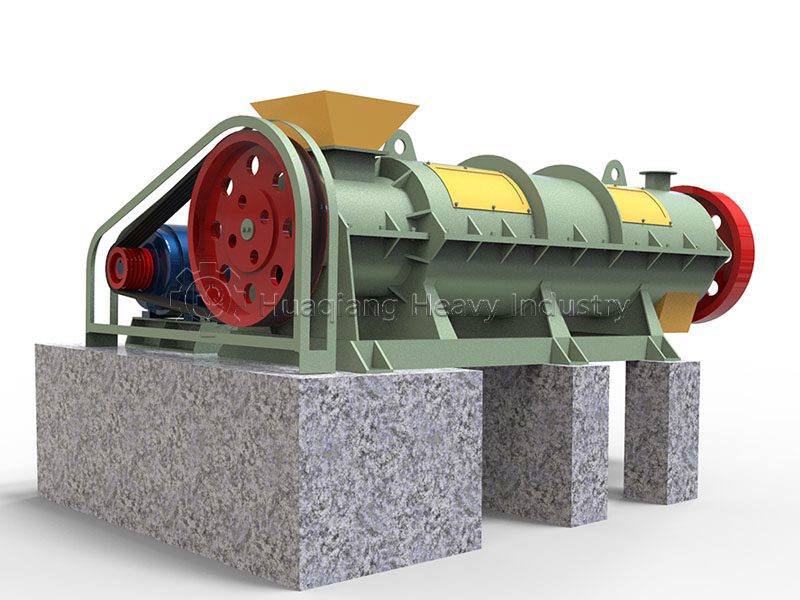
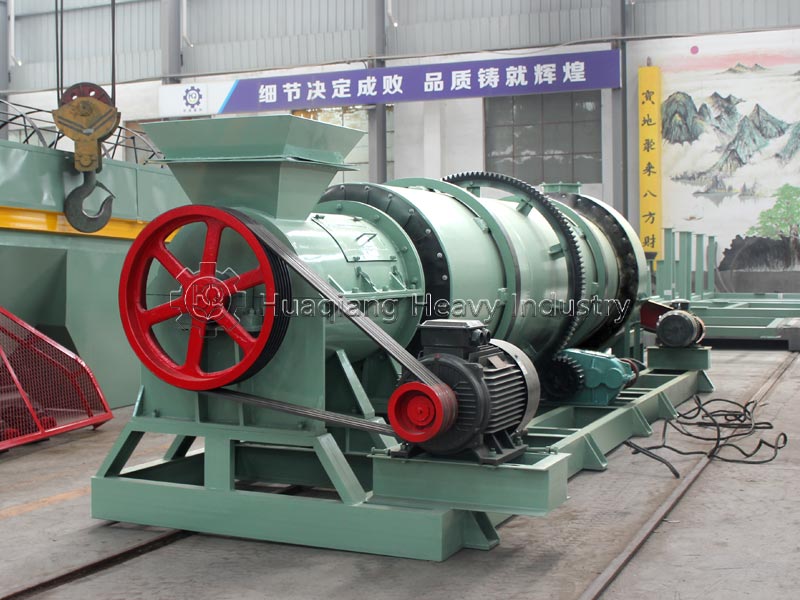
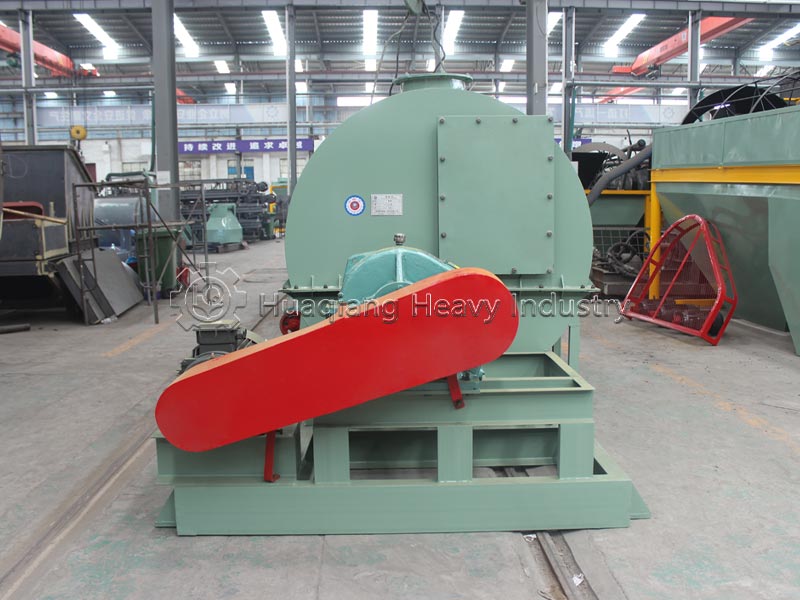
The new type two-in-one organic fertilizer granulator, also known as the new type stirring tooth-drum granulator, is an innovative product in the field of organic fertilizer granulation equipment. This equipment combines the advantages of both stirring tooth granulators and rotary drum granulators, employing a new wet continuous pusher granulation process. It overcomes the low efficiency of traditional disc granulators and the unstable pelletizing rate of rotary drum granulators. Through the combined action of the inner stirring teeth and the outer rotating drum, the material undergoes multiple physical processes within the machine, including mixing, spheroidizing, extrusion, and polishing. The resulting granules are round and firm, with an organic matter content of up to 100%, making it one of the key pieces of equipment in the organic fertilizer industry.
Core Positioning:
1. Combines the dual granulation mechanism of a stirring tooth granulator and a rotary granulator.
2. Employs a new wet continuous pusher granulation process.
3. Capable of granulating various organic materials, especially coarse fibrous materials that are difficult to granulate with conventional equipment.
4. Suitable for cold and hot granulation, as well as large-scale production of high, medium, and low concentration organic-inorganic fertilizers.
5. Organic content can reach up to 100%, achieving pure organic granulation.
Technological Evolution: Traditional organic fertilizer granulation equipment mainly includes single types such as disc granulators, rotary drum granulators, flat die granulators, and stirring tooth granulators. The new two-in-one granulator, through technological innovation, organically integrates the forced stirring granulation mechanism of the stirring tooth granulator with the rolling polishing mechanism of the rotary drum granulator, overcoming the limitations of single equipment—it can produce both organic fertilizer and organic-inorganic compound fertilizer, becoming a representative of low-energy, high-quality granulation equipment.
Core Positioning:
1. Combines the dual granulation mechanism of a stirring tooth granulator and a rotary granulator.
2. Employs a new wet continuous pusher granulation process.
3. Capable of granulating various organic materials, especially coarse fibrous materials that are difficult to granulate with conventional equipment.
4. Suitable for cold and hot granulation, as well as large-scale production of high, medium, and low concentration organic-inorganic fertilizers.
5. Organic content can reach up to 100%, achieving pure organic granulation.
Technological Evolution: Traditional organic fertilizer granulation equipment mainly includes single types such as disc granulators, rotary drum granulators, flat die granulators, and stirring tooth granulators. The new two-in-one granulator, through technological innovation, organically integrates the forced stirring granulation mechanism of the stirring tooth granulator with the rolling polishing mechanism of the rotary drum granulator, overcoming the limitations of single equipment—it can produce both organic fertilizer and organic-inorganic compound fertilizer, becoming a representative of low-energy, high-quality granulation equipment.
Equipment Structural Composition
I. Core Component System
| Component Name | Function Description | Material & Process Requirements |
|---|---|---|
| Rotary Drum Body | Main chamber that holds materials and carries out granulation & polishing processes | Thickened seamless steel tube for sturdiness and durability; inner wall can be lined with special rubber plates or acid-resistant stainless steel liners for automatic scarring and lump removal |
| Internal Stirring Teeth | Spiral or paddle-type teeth fixed on the central shaft, responsible for stirring, shearing and propelling materials | Multi-layer spiral alloy teeth with wear-resistant alloy steel cutter heads; adjustable in length |
| Main Shaft / Rotor System | Core transmission component driving high-speed rotation of stirring teeth | Made of special materials, sturdy and durable |
| Transmission System | Motor + reducer combination providing stable power output | Y-series national standard motor with strong and energy-saving power; reducer interior uses special materials with high load-bearing capacity |
| Feed Inlet | Entry port for materials entering the granulation chamber | Aligns with belt conveyor; underground pit can be built for material transportation |
| Discharge Outlet | Discharge channel for formed pellets | Equipped with screen mesh to separate unqualified pellets |
| Frame & Base | Supports the whole machine structure and ensures stable operation | Stable steel frame structure with damping device; high-power motor has independent base |
| Liquid Spraying System (Optional) | Sprays binder or moisture to assist granulation | Automatically adjustable spray volume |
| PLC Control System (Optional) | Real-time monitoring of operating status with automated control | Touchscreen operation with adjustable parameters |
II. Five Major Functional Systems
1. Feeding System: A spiral pusher forcibly conveys materials to the granulation chamber.
2. Mixing and Stirring System: High-speed rotating stirring teeth achieve shearing, extrusion, and kneading of materials.
3. Granulation System: Under mechanical force, materials agglomerate, nucleate, grow, and become dense.
4. Polishing System: The rotating cylinder causes the granules to roll and polish, improving sphericity.
5. Control System: PLC touch screen, integrating monitoring of parameters such as mixing time, granulation speed, material moisture, and output.
III. “Two-in-One” Structural Features
“Two-in-One” Core Meaning:
1. Stirring Tooth Granulation Mechanism: Utilizing high-speed rotating mechanical stirring force and aerodynamics, fine powder materials continuously achieve mixing, granulation, spheroidization, and densification processes within the machine.
2. Rotary Drum Granulation Mechanism: The rotating cylinder causes the granules to roll along the cylinder wall under centrifugal force, with fine powder adhering to the outer layer, gradually increasing granule size and polishing.
3. Synergistic effect: The combination of the two granulation methods results in a higher pellet formation rate and more aesthetically pleasing granules, while also saving energy.
Working Principle of the Equipment
I. Principle of Granulation by Stirring Teeth
The new type two-in-one organic fertilizer granulator is an organic fertilizer production equipment that uses strong mechanical force to granulate materials. Its working principle is based on the high-speed rotating stirring teeth applying shearing, extrusion, and kneading forces to the material, causing fine powdery raw materials to agglomerate into granules.
Four-stage workflow:
Feeding and pushing → Mixing and stirring → Extrusion and nucleation → Rolling polishing and growth → Screening and discharge
1. Feeding and pushing: The material is fed through the feed inlet and forcibly conveyed into the granulation chamber by a screw conveyor. The moisture content of the material usually needs to be controlled between 20% and 40%.
2. Mixing and stirring: The pre-treated raw material enters the rotating cylinder. The stirring teeth strongly stir, shear, and mix the material through rotation, causing the material to be evenly distributed and initially agglomerated.
3. Extrusion and nucleation: Under the mechanical force of the stirring teeth, the wet material is extruded and kneaded, gradually forming tiny particles (“nuclei”). The material repeatedly collides and kneads between the stirring teeth and the cylinder wall, and the fine powder gradually agglomerates into small particles under mechanical force.
4. Rolling Polishing and Growth: As the cylinder rotates, the particles roll along the cylinder wall under centrifugal force, with fine powder continuously adhering to the outer layer, and the particles gradually increase in size to 2-8mm. The stirring teeth intermittently stir to prevent particle adhesion and ensure uniform particle size.
5. Screening and Discharge: The formed particles are separated through the screen at the discharge port. Particles that are too small or too large are screened and returned for re-granulation.
II. Rotary Drum Granulation Principle The main working method of the rotary drum granulator is wet granulation. A certain amount of water or steam is used to moisten the base fertilizer inside the cylinder, allowing for a full chemical reaction. Under certain liquid phase conditions, the rotational motion of the cylinder causes the material particles to agglomerate into spheres due to compressive force.
III. Two-in-One Synergistic Working Principle The new two-in-one granulator integrates the pressing functions of stirring tooth granulation and rotary drum granulation:
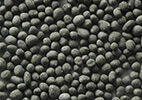
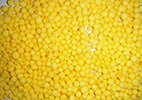
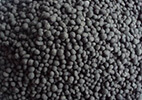
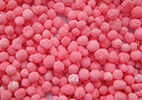
1. Stirring Tooth Section: Utilizing the mechanical stirring force of high-speed rotation and the resulting aerodynamics, fine powder materials undergo continuous mixing, granulation, balling, and densification processes within the machine. The granules are spherical with a sphericity ≥0.7, a particle size generally between 0.3-3 mm, and a granulation rate ≥90%.
2. Rotary Drum Section: The drum body uses a special rubber plate lining or acid-resistant stainless steel lining, achieving automatic descaling and nodule removal, eliminating the need for traditional scraper devices. The granules are polished by rolling under centrifugal force, resulting in a smooth and round surface.
3. Synergistic Effect: The combination of these two granulation methods results in a higher balling rate and more aesthetically pleasing granules, while also saving energy and increasing efficiency.
The new type two-in-one organic fertilizer granulator is an organic fertilizer production equipment that uses strong mechanical force to granulate materials. Its working principle is based on the high-speed rotating stirring teeth applying shearing, extrusion, and kneading forces to the material, causing fine powdery raw materials to agglomerate into granules.
Four-stage workflow:
Feeding and pushing → Mixing and stirring → Extrusion and nucleation → Rolling polishing and growth → Screening and discharge
1. Feeding and pushing: The material is fed through the feed inlet and forcibly conveyed into the granulation chamber by a screw conveyor. The moisture content of the material usually needs to be controlled between 20% and 40%.
2. Mixing and stirring: The pre-treated raw material enters the rotating cylinder. The stirring teeth strongly stir, shear, and mix the material through rotation, causing the material to be evenly distributed and initially agglomerated.
3. Extrusion and nucleation: Under the mechanical force of the stirring teeth, the wet material is extruded and kneaded, gradually forming tiny particles (“nuclei”). The material repeatedly collides and kneads between the stirring teeth and the cylinder wall, and the fine powder gradually agglomerates into small particles under mechanical force.
4. Rolling Polishing and Growth: As the cylinder rotates, the particles roll along the cylinder wall under centrifugal force, with fine powder continuously adhering to the outer layer, and the particles gradually increase in size to 2-8mm. The stirring teeth intermittently stir to prevent particle adhesion and ensure uniform particle size.
5. Screening and Discharge: The formed particles are separated through the screen at the discharge port. Particles that are too small or too large are screened and returned for re-granulation.
II. Rotary Drum Granulation Principle The main working method of the rotary drum granulator is wet granulation. A certain amount of water or steam is used to moisten the base fertilizer inside the cylinder, allowing for a full chemical reaction. Under certain liquid phase conditions, the rotational motion of the cylinder causes the material particles to agglomerate into spheres due to compressive force.
III. Two-in-One Synergistic Working Principle The new two-in-one granulator integrates the pressing functions of stirring tooth granulation and rotary drum granulation:
1. Stirring Tooth Section: Utilizing the mechanical stirring force of high-speed rotation and the resulting aerodynamics, fine powder materials undergo continuous mixing, granulation, balling, and densification processes within the machine. The granules are spherical with a sphericity ≥0.7, a particle size generally between 0.3-3 mm, and a granulation rate ≥90%.
2. Rotary Drum Section: The drum body uses a special rubber plate lining or acid-resistant stainless steel lining, achieving automatic descaling and nodule removal, eliminating the need for traditional scraper devices. The granules are polished by rolling under centrifugal force, resulting in a smooth and round surface.
3. Synergistic Effect: The combination of these two granulation methods results in a higher balling rate and more aesthetically pleasing granules, while also saving energy and increasing efficiency.
Raw Material Requirements for the Equipment
1. Raw Material Pretreatment Standards
| Parameter | Required Range | Description |
|---|---|---|
| Moisture Content | 20%-40% | Optimal granulation range: 35%-40%; too low causes looseness, too high leads to sticking |
| Grinding Fineness | <50 mesh (<300 mesh is better) | The finer the powder particles, the higher the pellet sphericity |
| Fiber Length | <30mm | Over-length fibers must be pre-crushed |
| Impurity Control | Free of stones, iron blocks, plastics and other hard objects | Hard objects will damage stirring teeth |
| Fermentation Degree | Fully decomposed (organic fertilizer) | Unfermented materials affect finished product quality |
| C/N Ratio | 25:1–30:1 | Suitable range for organic fertilizer fermentation |
2. Recommended Proportions for Different Raw Materials
Livestock and Poultry Manure Organic Fertilizer: Manure: Straw = 3:1 ~ 4:1
Organic-Inorganic Compound Fertilizer: Organic matter: Inorganic nutrients according to the formula ratio
Pure Organic Fertilizer: Fermented and decomposed materials are directly granulated, with an organic matter content of up to 100%
Sludge Fertilizer: Urban sludge is mixed with straw/wood chips to adjust the carbon-nitrogen ratio
Equipment Parameters
| Model | Capacity (t/h) | Output Granules Size (mm) | Motor Power (Kw) | Outside Dimension (mm) |
|---|---|---|---|---|
| YSL2-80/120 | 4-8 | 1-5 | 37+18.5-5.5 | 7500×2300×1950 |
| YSL2-100/150 | 6-10 | 1-5 | 55+18.5+11 | 7700×2500×2260 |
| YSL2-120/180 | 8-15 | 1-5 | 75+22+15 | 9600×3000×2750 |
Organic Fertilizer Production Process (Fermentation + Granulation Entire Process)
1. Fermentation Process (Core Pre-process)
Fermentation is the core foundation of organic fertilizer production, directly determining the granulation effect and the fertilizer fertility of the finished product. The entire process utilizes aerobic composting, as follows:
Organic raw materials (manure, straw, waste residue, etc.)
Mixing ratios → Adding fermentation inoculum → Uniform stirring → Tank/stack aerobic fermentation → Regular turning and aeration (7-15 days) → High-temperature composting, deodorization, and dehydration → Material cooling and settling → Crushing and sieving (≤50 mesh) → Ready for granulation.
Core Requirements: The material must be fully composted, free of raw materials and odors. After composting, the moisture content should be controlled between 20% and 40%. No deep drying is required; it can be directly fed into the granulation stage.
2. Granulation and Molding Process (Core Equipment Section) Mature powdery material → Quantitative feeding by a uniform feeder → Mixing, extruding into pellets, and polishing to achieve density by a two-in-one granulator → Granulation discharge → Natural cooling → Precision sieving → Qualified granules → Packaging and warehousing; The sieved powder and small particles can be recycled for secondary granulation, eliminating raw material waste.
This process eliminates the drying and binder addition steps of traditional granulation, simplifying the production process, shortening the production cycle, and significantly reducing equipment investment and operating costs.
Common Equipment Faults and Solutions
| Common Faults | Possible Causes | Solutions |
|---|---|---|
| Low pelleting rate & excessive powder output | Too low raw material moisture; over-coarse material particle size; improper main shaft speed; severely worn stirring teeth | Properly increase raw material moisture content; re-sieve materials to below 50 mesh; fine-tune main shaft speed; replace worn stirring teeth |
| Over-sized & loosely formed pellets | Excessively high raw material moisture; over-large feeding volume; too low rotation speed | Air-dry to reduce material moisture; decrease feeding volume per unit time; properly raise main shaft speed |
| Material blockage & overloaded operation | Over-fast feeding & material agglomeration; accumulated residual materials inside the chamber | Stop feeding immediately and shut down to clean caked materials in the chamber; adjust to steady feeding rhythm to avoid overloaded operation |
| Abnormal noise & vibration during operation | Loose bolts; lack of lubrication & worn bearings; misalignment between motor and main unit | Tighten all loose bolts; refill lubricating oil or replace bearings; recalibrate parallelism between motor and main unit |
| High powdering rate & easily breakable pellets | Insufficient material decomposition; insufficient compaction after forming; over-high rotation speed | Ensure full decomposition of raw materials; lower main shaft speed to extend pellet polishing and compaction time |
Equipment Application in Production Lines
I. Complete Organic Fertilizer Production Line Configuration
Raw Material Collection → Pretreatment → Fermentation → Crushing → Batching → Mixing → Granulation → Drying → Cooling → Screening → Packaging
| Process Section | Main Equipment | Function Description |
|---|---|---|
| Fermentation System | Compost turner, mixing blender, biological deodorizer | Material decomposition & harmless treatment (about 10-15 days) |
| Crushing System | Semi-wet material crusher, chain crusher | Crush fermented materials to below 50 mesh |
| Batching System | Electronic batching system, disc feeder | Proportion multiple raw materials according to formula |
| Mixing System | Horizontal mixer / pan mixer | Mix materials evenly |
| Granulation System | Two-in-one granulator (core equipment) | Wet granulation with pelleting rate over 90% |
| Drying System | Rotary dryer, hot air furnace | Reduce pellet moisture content to below 10% |
| Cooling System | Cooler | Rapid cooling to prevent caking |
| Screening System | Rotary screening machine | Graded screening to remove unqualified pellets |
| Packaging System | Automatic packaging scale | Quantitative packaging of 20-50kg per bag |
| Dust Removal System | Cyclone dust collector / pulse dust collector | Dust emission below 10mg/m³ |
II. Unique Advantages of the Two-in-One Granulator in Production Lines
Compared to traditional production lines, the new two-in-one granulator has the following integrated advantages:
1. High Integration: The mixing and granulation functions are integrated into one unit, eliminating the conveying equipment between the mixer and granulator in traditional production lines. Material transportation loss rate is reduced from the traditional 5%-8% to 1%-2%, saving 30%-50% of equipment floor space.
2. High Production Efficiency: Integrated operation shortens the production cycle. A single machine can produce 1-5 tons of product per hour, an increase of 20%-40% compared to traditional separate equipment.
3. Good Granulation Effect: The granulator is designed according to the characteristics of organic fertilizer raw materials, adaptable to high-fiber, high-moisture organic materials, with high particle roundness (sphericity > 85%) and moderate particle strength (10-30N). 4. Low energy consumption and low cost: Integrated design reduces the number of power equipment such as motors, lowering unit product energy consumption by 15%-25%, while also reducing equipment maintenance points and operators.
III. Configuration for Production Lines of Different Sizes
| Annual Production Capacity | Granulator Model | Matching Power | Main Production Line Equipment |
|---|---|---|---|
| 10,000 tons per year | Model RT-60 | 37kW | Compost turner, crusher, mixer, granulator, dryer, screening machine |
| 30,000 tons per year | Model RT-80/100 | 55-75kW | The same equipment as above with upgraded specifications |
| 50,000-100,000 tons per year | Model RT-120/150 | 90-110kW | Automatic batching system, PLC control system |
| Over 200,000 tons per year | Multiple units in parallel | Combined power of multiple units | Fully automatic production line with DCS control system |
The new type two-in-one organic fertilizer granulator (stirring tooth rotary drum granulator) organically integrates the forced stirring granulation mechanism of the stirring tooth granulator with the rolling polishing mechanism of the rotary drum granulator, achieving a major breakthrough in organic fertilizer granulation technology. This equipment boasts a granulation rate of 90%-98%, capable of handling high-moisture materials with a moisture content of 20%-40% and coarse fibrous materials that are difficult to granulate with conventional equipment. Furthermore, it achieves pure organic granulation without the need for binders, making it an ideal piece of equipment for the production of organic fertilizers and organic-inorganic compound fertilizers.
Whether you are building a new organic fertilizer/compound fertilizer/feed production line and need a complete equipment solution, upgrading an existing production line and need equipment selection advice, or encountering difficulties in granulating high-moisture, sticky, or coarse fibrous materials and need technical support—we are always ready to provide you with professional and sincere service.