
In the fields of organic fertilizer production, biomass energy, and environmental engineering, material processing often faces a core dilemma: how to efficiently crush semi-wet materials with moisture content between 25% and 50%, which are both sticky and fibrous. Traditional hammer or impact crushers struggle severely under these conditions, prone to clogging, material buildup, and drastic efficiency loss or even shutdown. The Half-Wet Material Crusher is a specialized machine born to conquer this industry-wide pain point. With its unique working principle and structural design, it employs “softness to overcome toughness,” establishing itself as the key problem-solver for handling fermented organic matter, food waste, filter sludge, and similar materials.
Core Advantage: “Tearing” Replaces “Impact,” Mastering Difficult Materials
The superior performance of the half-wet material crusher stems from its revolutionary working philosophy. It abandons the traditional approach of high-speed impact and grinding, instead utilizing low-speed, high-torque rotational shear force.
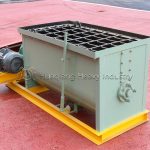
Anti-Clogging Core Structure: The heart of the machine typically consists of one or multiple sets of high-speed rotating alloy cutter discs or flails, with specially designed clearances and blade profiles between the cutting tools. Instead of being instantly shattered, incoming material is hooked, torn, and pulled apart into fine fragments. This method inherently prevents wet materials from forming lumps or adhering to the inner walls.
Screenless or Elastic Screen Design: Most models feature a screenless bottom or an adjustable large-aperture elastic screen. Crushed material meeting the size requirement is rapidly discharged primarily by centrifugal force and airflow, effectively overcoming the fatal flaw of traditional screens being pasted shut by wet feed.
Robust Power & Corrosion-Resistant Body: Equipped with a high-power motor to deliver stable tearing torque. The body and blades are made from stainless steel or special wear/ corrosion-resistant materials to withstand the corrosive and abrasive high-moisture environment.
Industry Comparison: Why Is It an Irreplaceable Specialized Solution?
Vs. Cage Crushers: Cage crusher excel at fine grinding of dry, brittle materials but quickly foul and fail with wet feed. They are complementary equipment for different conditions, not competitors.
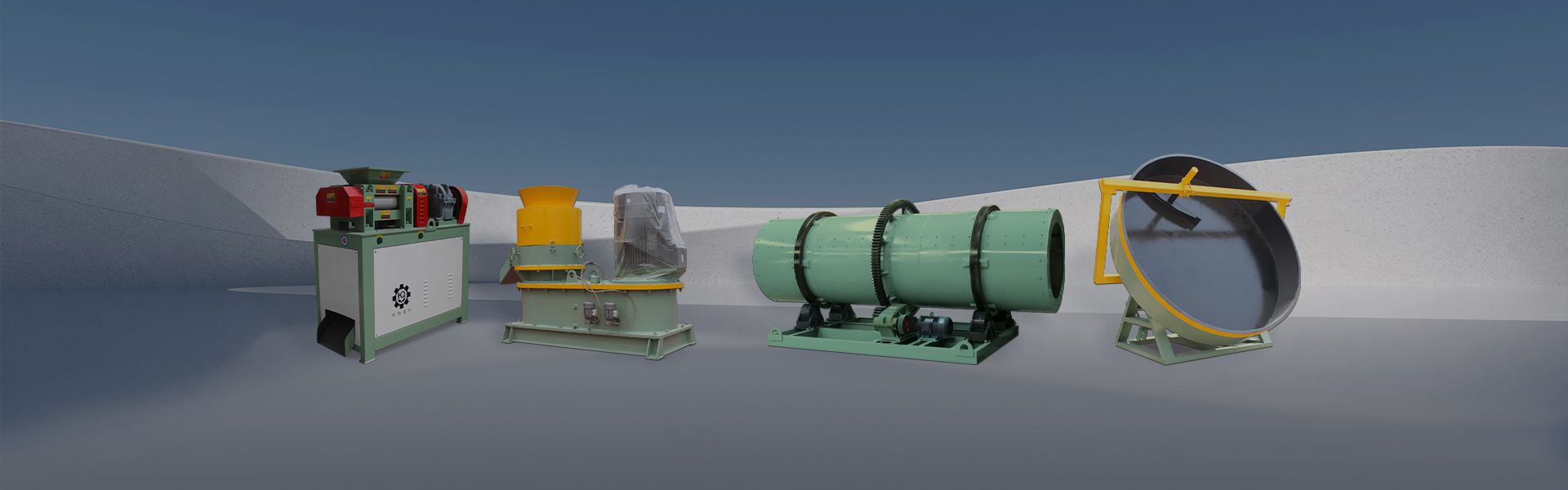
Position in the Production Line: It is typically positioned after the fermentation stage and before the drum fertilizer dryer or granulation stage. Its role is to homogenize and crush the bulky, non-uniform fermented product, creating stable and qualified feed conditions for downstream processes. It is the “critical bottleneck” whose performance lifts the efficiency of the entire line.
Key Technical Parameters & Application Scenarios
Key Indicators: Throughput (tons/hour), maximum allowable material moisture content, output particle size (usually adjustable), power configuration.
Typical Applications:
Organic Fertilizer Production: Crushing livestock manure, municipal sludge, straw, and other materials after fermentation.
Environmental Treatment: Pre-treating food waste, garden waste, etc., in preparation for subsequent anaerobic digestion or incineration.
Biomass Fuel: Crushing high-moisture agricultural and forestry waste for subsequent drying and molding into fuel pellets.
Conclusion: Unlocking a Critical Link in the Circular Economy
The half-wet material crusher is more than just a machine; it represents a refined engineering solution tailored to a specific challenge. In the value chain of organic solid waste resource recovery, it successfully bridges the critical gap from “wet waste” to “standardized industrial feedstock.” For enterprises committed to the green industry, investing in a reliable half-wet material crusher means acquiring the core capability to consistently process complex raw materials. It serves as the strategic cornerstone that ensures continuous and efficient production line operation, ultimately leading to the output of high-value products.