
In the fertilizer production sector, wet granulation technology is becoming a key process for enhancing fertilizer quality. This technique transforms fine powders into uniform granules using liquid binders, improving not only the physical characteristics of fertilizers but also offering numerous advantages for modern agriculture. This article systematically introduces the core features, pros and cons, and unique value of wet granulation in fertilizer production.
Unique Advantages of Wet Granulation
The most notable advantage of wet granulation is its ability to produce granules with high strength and excellent uniformity. These granules are less prone to breakage during transportation and mechanical application, ensuring fertilizer integrity and effectiveness. For compound fertilizers, this technology is particularly suitable for handling multi-component powder mixtures, effectively preventing segregation of ingredients with different densities during storage and transportation, thus guaranteeing balanced nutrient content in each granule.
Regarding safety production, wet granulation significantly reduces dust generation, which not only improves the production environment and safeguards workers’ health but also minimizes raw material waste and environmental pollution. Granulated fertilizers are also cleaner and more convenient to use, especially suitable for large-scale mechanized fertilization operations.
Process Challenges and Considerations
Despite its obvious advantages, wet granulation also faces some challenges. First is the process complexity: the entire procedure requires multiple steps and various equipment working in coordination, including mixing, granulation, drying, and screening, placing higher demands on production management and equipment investment.
Secondly, production costs are relatively high, as it requires not only binders and solvents but also significant energy consumption during drying. For certain moisture-sensitive nutrients, such as some nitrogen fertilizers, wet granulation may pose degradation risks, necessitating process optimization to control temperature and humidity. Additionally, the longer production cycle is another factor to consider, especially in production scenarios requiring quick turnaround.
Wet vs. Dry Granulation: Choosing the Technical Path
Compared with dry granulation, wet granulation differs fundamentally in several aspects. Dry granulation mainly relies on mechanical pressure to bond powders, requiring no liquid binders, making it particularly suitable for moisture-sensitive raw materials. However, granules produced by dry methods generally have lower strength, are more brittle, and prone to breakage during subsequent handling.
Wet granulation, on the other hand, forms stronger inter-particle bonds through liquid binders. Although the equipment system is more complex, it has a broader application range, capable of processing more types of raw materials and complex formulations. For the fertilizer industry, the advantages of wet granulation in terms of granule strength, uniformity, and formulation flexibility make it the preferred technology for high-quality compound fertilizer production.
Special Value in Fertilizer Production
Fertilizer wet granulation is not merely a physical processing step; it is also an important means to enhance fertilizer efficacy. By controlling granule size and density, the dissolution rate of fertilizers can be regulated, achieving controlled nutrient release and improving nutrient use efficiency. Simultaneously, granulated fertilizers are easier to coat, providing a foundation for developing multifunctional, intelligent fertilizer products.
In terms of sustainable development, wet granulation indirectly reduces the risk of agricultural non-point source pollution by minimizing dust emissions and increasing fertilizer efficiency. With the advancement of precision agriculture and green farming, wet granulation technology will continue to evolve, making greater contributions to global food security and environmental protection.
Integrated Fertilizer Production: From Organic Decomposition to Precision Granulation
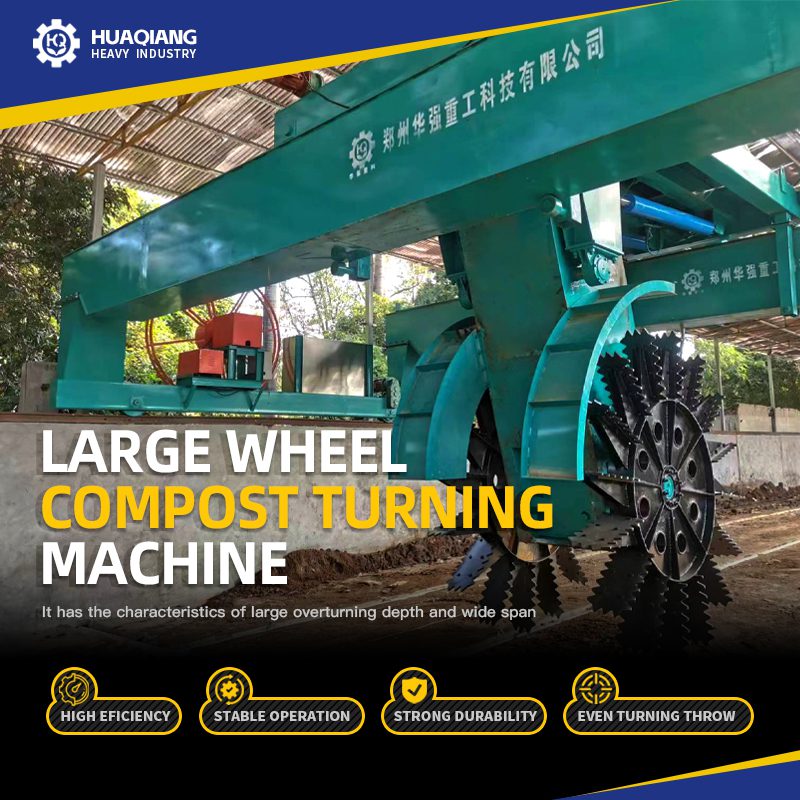
Wet granulation represents a specific branch of advanced fertilizer granulation technology, often used within a npk fertilizer line for high-quality compound fertilizers. This NPK fertilizer production technology relies on sophisticated fertilizer production machine systems. However, fertilizer manufacturing encompasses diverse pathways. For organic production, the process begins with the organic fertilizer fermentation process, optimized by fermentation composting technology for organic fertilizer using specialized fertilizer making machine equipment. Key equipments required for biofertilizer production include turners like the trough-type compost turner, large wheel compost turner, chain compost turning machine, and windrow compost turner to implement efficient fermentation composting turning technology within a trough-type aerobic fermentation composting technology framework.
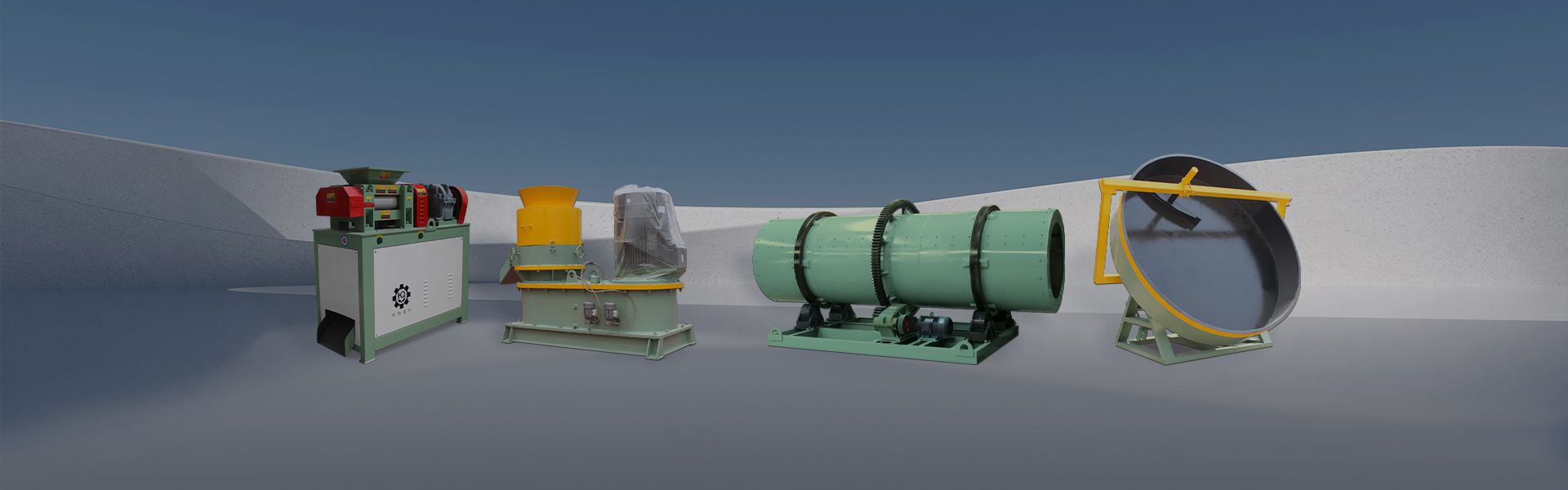
Following stabilization, the material is processed. For granulation, systems like a disc granulation production line are used, where a disc granulator for shaping transforms the compost into pellets. This organic line may be preceded by a multiple silos single weigh static batching system for precise raw material mixing. The entire workflow—from initial pre-composting processing equipment through biological decomposition to final shaping by a fertilizer granulator like a disc granulator—demonstrates the integration of biological and mechanical engineering to produce diverse, high-quality fertilizers that support sustainable and precise agriculture.