
The rise of organic agriculture has revitalized an ancient technology with modern brilliance: fermentation composting. This process of using microorganisms to transform organic waste into “black gold” is not only the cornerstone of circular agriculture but also a silent underground revolution.
At its essence, fermentation composting technology for organic fertilizer mimics the wisdom of natural material cycles. By precisely controlling the carbon-to-nitrogen ratio, moisture, temperature, and aeration, we create an ideal environment for microbial communities to thrive. During aerobic fermentation, thermophilic bacteria actively work at 60-70°C, accelerating organic matter decomposition while eliminating pathogens and weed seeds, resulting in safe and stable humus.
However, efficient compost production extends far beyond natural fermentation. A modern composting facility is an ecosystem of working equipment:
Pre-processing Stage: chain crusher break down bulky materials like straw and garden waste into homogeneous fragments; mixers precisely adjust the carbon-to-nitrogen ratio, preparing a “balanced diet” for microorganisms.
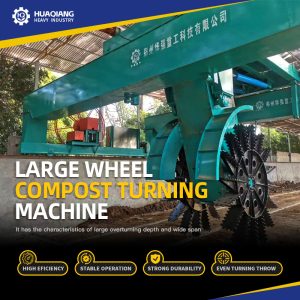
Core Fermentation Stage: Trough or large wheel compost turners regularly aerate the piles, ensuring even oxygen distribution; temperature sensors and humidity monitors provide real-time data, while intelligent control systems automatically adjust ventilation and moisture.
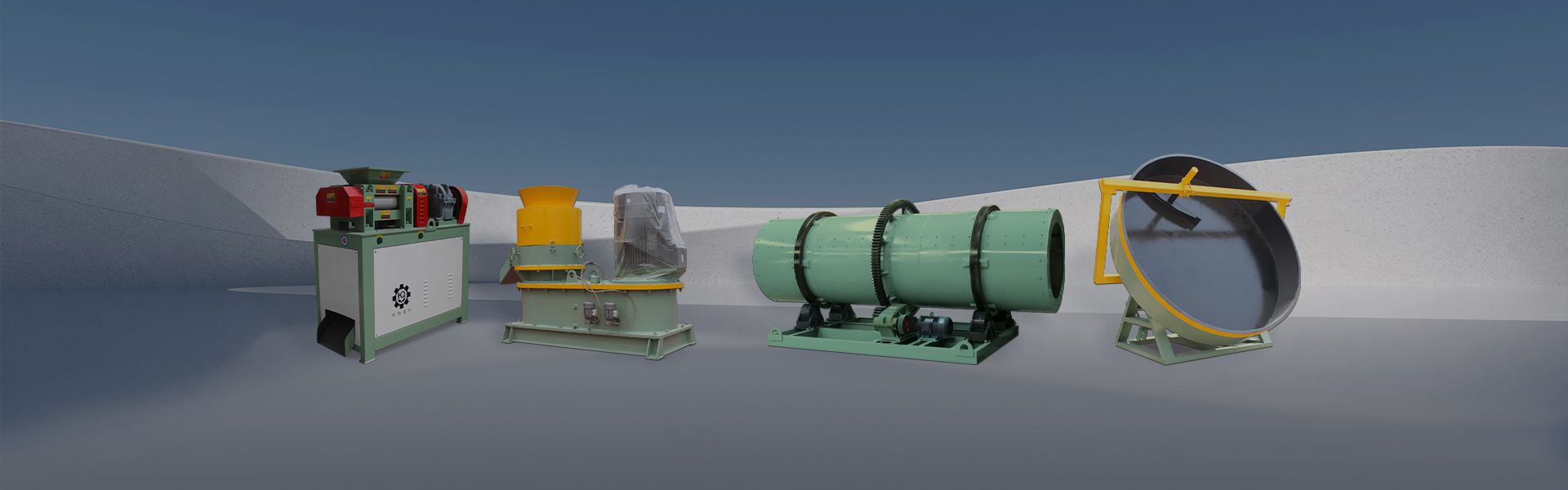
Post-processing Stage: Screening machines grade mature compost by particle size; granulators compress fine powder into easy-to-apply and store pellets; packaging machines complete the final product encapsulation.
A research farm at Wageningen University in the Netherlands provides a successful case study. Using an advanced tunnel fermentation system, they transform local agricultural waste into high-quality organic fertilizer within 21 days. This integrated system, featuring automated temperature control, aeration, and turning equipment, triples composting efficiency compared to traditional methods while reducing greenhouse gas emissions by 40%.
In Ontario, Canada, a family farm adopted a more flexible solution: using a small turner to process farm waste combined with a simple covered fermentation system, they convert 500 tons of cattle manure and crop residues annually into enough organic fertilizer to supply the entire farm, significantly reducing reliance on chemical fertilizers.
The trend toward intelligent fermentation composting technology is increasingly evident. IoT sensor networks monitor internal pile conditions in real time; machine learning algorithms predict optimal turning times; some cutting-edge systems even utilize drones for raw material management and quality control.
The true appeal of this technology lies in its multiple benefits: reducing landfill pressure, lowering agriculture’s carbon footprint, improving soil health, and enhancing crop quality. In Europe, many cities have established community composting centers to convert food waste into garden fertilizer on-site; in Japan, farms are integrating composting technology with precision agriculture to achieve closed-loop nutrient management.
From California vineyards to French cheese-producing regions, from Australian wheat farms to Chinese organic vegetable bases, fermentation composting technology is redefining fertilizer production globally. It is more than just a waste transformation process—it is a bridge connecting sustainable consumption and production.
As we witness coffee grounds becoming nutrients for roses and kitchen waste transforming into fertile garden soil, we ponder: Could the cyclical wisdom embedded in this simple natural process hold the key to today’s resource challenges? Fermentation composting technology, this ancient yet innovative art, is quietly breathing new life into our land, laying the foundation for a more sustainable agricultural future.