
In the context of circular agriculture and sustainable development, fermentation compost turning technology is quietly revolutionizing organic waste management. This seemingly simple technology encapsulates the essence of natural transformation processes—converting organic waste such as crop residues, livestock manure, and kitchen waste into nutrient-rich organic fertilizer through scientifically controlled aerobic fermentation. This not only addresses waste disposal challenges but also provides natural nourishment for soil health.
Turning Technology: The Key Catalyst for Aerobic Fermentation
Turning technology is the core component of the composting fermentation process. Through mechanical turning operations, materials in the compost pile are regularly mixed, broken down, and restructured, ensuring uniform oxygen distribution and optimal balance of temperature, humidity, and microbial activity. This process simulates the activities of soil organisms in nature but with efficiency increased by tens of times.
Modern turning equipment has evolved from simple manual turning to highly mechanized and intelligent professional systems. They not only significantly improve fermentation efficiency but also ensure the stability and consistency of compost quality, transforming organic waste processing from labor-intensive operations into efficient industrial production.
Mainstream Turning Equipment and Technical Features
Trough Compost Turning Machine
The most commonly used industrial-grade turning equipment, suitable for long trough fermentation workshops. Features robust rotating blade shafts with turning depths up to 2.5 meters and widths covering 3-6 meters, offering powerful processing capacity. High automation level, can be equipped with track systems for automatic movement and operation.
Crawler Compost Turning Machine
Self-powered system with strong flexibility, suitable for composting sites without fixed tracks. Uses crawler walking mechanism with low ground pressure, minimizing damage to fermentation floors. Turning width 2-4 meters, especially suitable for medium to large composting projects.

Chain Compost Turning Machine
Unique chain plate structure ensures more uniform turning and better material fragmentation. Particularly suitable for compost materials containing more fibrous materials such as straw and garden waste.
Intelligent Control System
Integrates temperature, humidity, and oxygen sensors for real-time fermentation monitoring. Automatically adjusts turning frequency and intensity to ensure fermentation parameters remain within optimal ranges. Supports remote monitoring and data recording analysis.
Complete Organic Fertilizer Production Equipment Ecosystem
Modern organic fertilizer production lines have formed complete equipment ecosystems, with turning machines being just the core component. Only through coordinated operation of supporting equipment can the complete transformation from raw materials to high-quality organic fertilizer be achieved:
- Raw Material Pretreatment Equipment
Crushers: Break down large raw materials to appropriate sizes (straw crushers, wood crushers, etc.)
Mixers: Uniformly mix different raw materials (double-shaft mixers, horizontal mixers, etc.)
Dehydrators: Reduce moisture in high-water-content materials (screw presses, centrifugal dehydrators)
- Fermentation Core Equipment
Turning Machines: Various trough, crawler, and chain plate turning equipment
Fermentation Troughs: Concrete or steel structure fermentation troughs with aeration systems
Aeration Systems: Bottom ventilation devices providing sufficient oxygen
Insulation Systems: Ensuring normal fermentation during winter
- Post-processing and Refining Equipment
Screening Machines: Trommel screens, vibrating screens to remove impurities
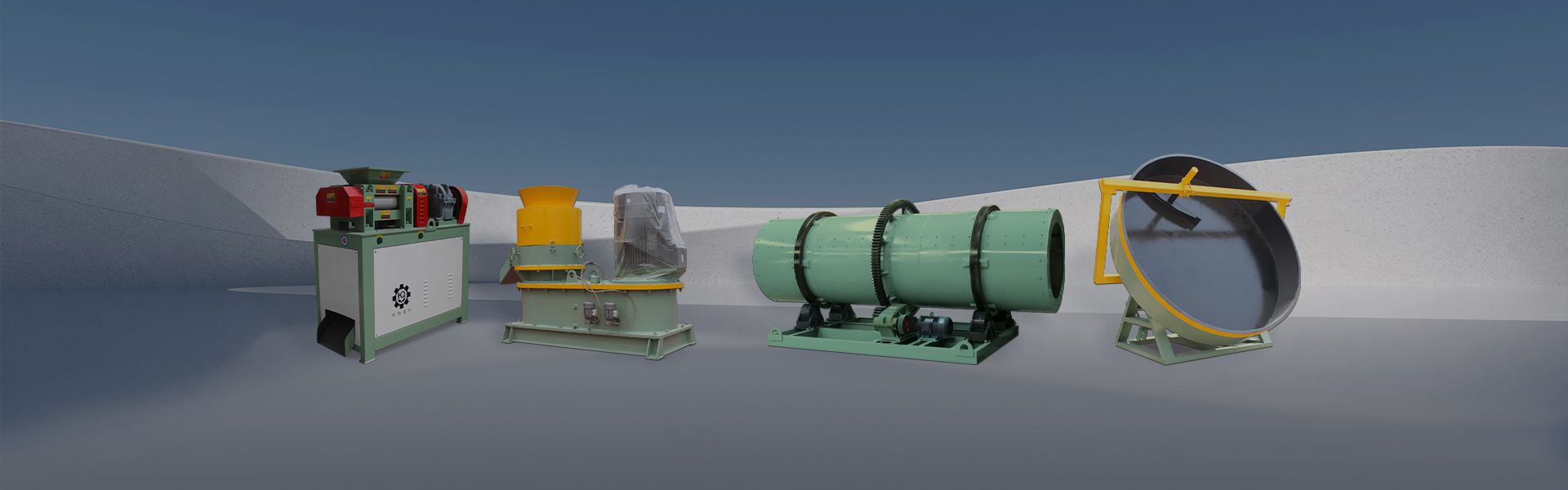
Granulators: Disc granulators, rotary drum granulators for pellet production
Dryers: Rotary dryers, fluidized bed dryers to reduce moisture
Coolers: Counter-flow coolers, vibrating coolers for temperature reduction
Coating Machines: Preventing pellet caking, improving storage stability
- Packaging and Auxiliary Equipment
Packaging Machines: Automatic weighing, bagging, sealing
Conveying Systems: Belt conveyors, screw conveyors
Dust Removal Systems: Bag dust collectors, cyclone dust collectors
Control Systems: PLC automation control systems