
As a key piece of equipment in organic fertilizer production, the stable operation of the compost turner directly affects production efficiency and product quality. Correct daily maintenance and safe operation can not only extend the service life of the equipment and reduce the failure rate, but also ensure the personal safety of the operators. This article will provide a detailed introduction to the key points of daily maintenance and safety operation specifications for compost turners, offering practical guidance for equipment users.
Daily maintenance is fundamental to ensuring the normal operation of the compost turner and should follow the principles of “regular inspection, timely maintenance, and on-demand repair.” First, cleaning the equipment is crucial. After operation, residual materials, soil, and weeds on the equipment should be promptly removed, especially from key parts such as the turning teeth and transmission system, to prevent material buildup from affecting subsequent operations and to prevent corrosive substances from damaging the equipment. High-pressure water guns can be used for cleaning, but care should be taken to avoid spraying water directly onto the motor, electrical control system, and other parts to prevent short circuits.
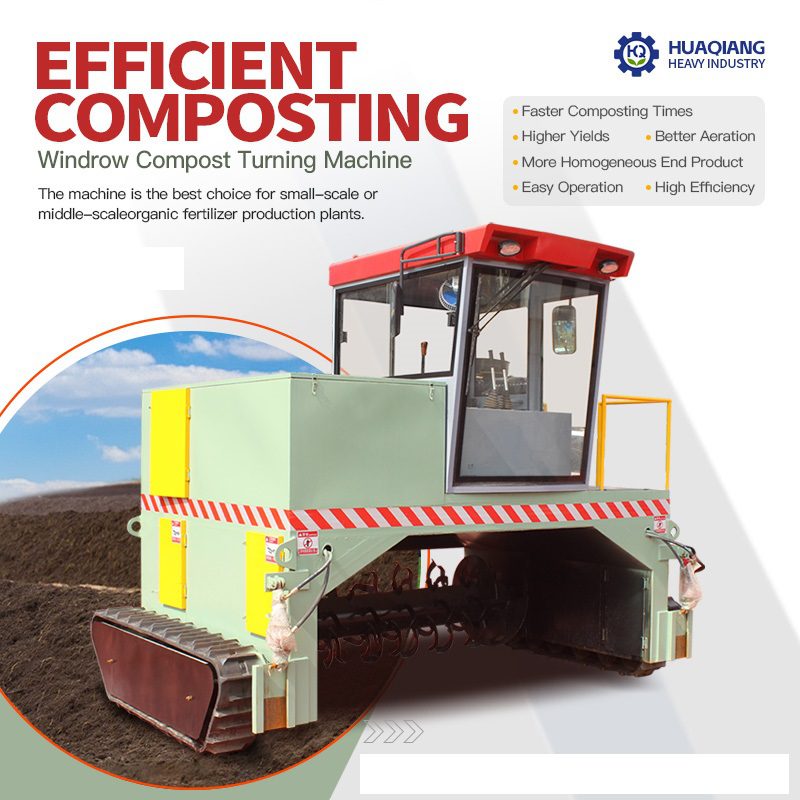
Secondly, the condition of the equipment’s components should be checked regularly. The turning teeth are the core working parts of the compost turner and are subject to high-intensity operation for extended periods, making them prone to wear, deformation, or breakage. The wear of the turning teeth should be checked weekly. If the wear is severe or breakage occurs, they should be replaced promptly to ensure effective turning. The chains, gears, and belts of the transmission system should also be checked for looseness, wear, or breakage, and lubricating oil should be added regularly to ensure smooth operation of the transmission system. For hydraulic compost turners, the hydraulic oil level and quality should also be checked. If the oil level is too low, it should be replenished promptly; if the oil quality deteriorates, it should be replaced promptly to prevent hydraulic system failures.
Thirdly, the maintenance of the electrical system cannot be overlooked. Regularly check the connections of electrical components such as motors, cables, and switches for looseness, aging, or damage to ensure good electrical contact and prevent leakage. The electrical control cabinet should be kept clean and dry to prevent dust and moisture from entering the cabinet and affecting the normal operation of electrical components. When operating in humid environments, enhanced protective measures for the electrical system are necessary to prevent equipment damage due to moisture.
Lubrication and maintenance of the equipment are key to extending its service life. The rotating parts of the compost turning machine, such as bearings, gears, and chains, require regular lubrication to reduce friction and wear, and minimize operating noise. Different parts have different lubrication requirements; the appropriate lubricant type and lubrication schedule should be selected according to the equipment manual. For example, lithium-based grease can be used for bearings, applied every two weeks; chain oil can be used for chains, applied weekly. When adding lubricant, ensure sufficient quantity, but avoid over-lubrication to prevent oil contamination of the material.
Safe operation is paramount when using the compost turning machine, and operators must strictly adhere to the following guidelines. First, operators must undergo professional training, be familiar with the equipment’s structure, working principles, and operating methods, and pass an assessment before operating the machine. Before operation, carefully read the equipment manual and safety operating procedures, understand the operating steps and precautions, and strictly prohibit unauthorized operation.
Secondly, a comprehensive inspection of the equipment is required before operation. Check that all parts are complete and in good condition, that the transmission system, electrical system, and hydraulic system are functioning correctly, and that safety protection devices are in place. Also, check that the work area is level and open, and remove any obstacles such as stones and metal pieces to prevent collisions or damage during operation. If the equipment has any faults or safety hazards, it must be repaired immediately; operating faulty equipment is strictly prohibited.
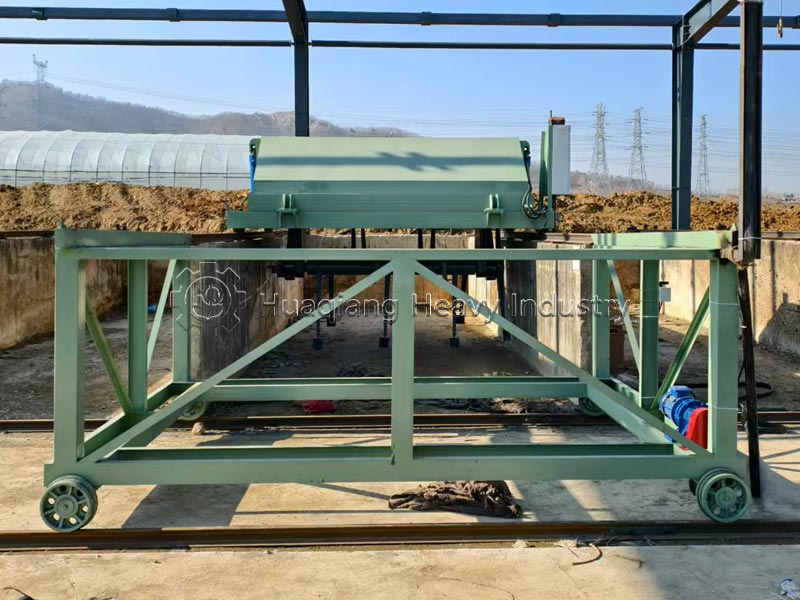
Thirdly, strictly follow operating procedures during operation. Before starting the equipment, ensure that no personnel are near the machine, and sound a warning signal before starting. During operation, operators should stand in a safe position and strictly avoid approaching dangerous parts such as the turning device and transmission system. Do not touch rotating parts with your hands to prevent personal injury. During operation, closely monitor the equipment’s operating status. If any abnormal noise, vibration, or temperature increase is detected, immediately stop the machine for inspection and troubleshooting before continuing operation.
For large compost turning machines such as hydraulic and double-screw types, pay attention to controlling the operating speed and turning depth during operation. Adjust these parameters reasonably according to the material characteristics and fermentation stage to avoid overloading. Also, ensure even distribution of the material to prevent overloading the equipment due to excessive material in one area. When turning or moving the equipment, slow down to avoid sudden turns or stops, preventing the equipment from tipping over or being damaged.
After the operation is complete, the machine should be shut down according to the correct procedures. First, turn off the working device, and only after the equipment has completely stopped running should the power be turned off. At the same time, the equipment should be cleaned and inspected, maintenance records should be kept, and preparations should be made for the next operation. In addition, operators must properly store the equipment, placing it in a dry and well-ventilated area, avoiding outdoor storage where it is exposed to wind, rain, and sunlight, to prevent corrosion and damage.
In short, the daily maintenance and safe operation of the composting turning machine are crucial aspects of equipment use. Only by strictly adhering to maintenance procedures and operating specifications can the equipment ensure long-term stable operation, improve production efficiency, guarantee the personal safety of operators, and provide strong support for the smooth progress of organic fertilizer production.
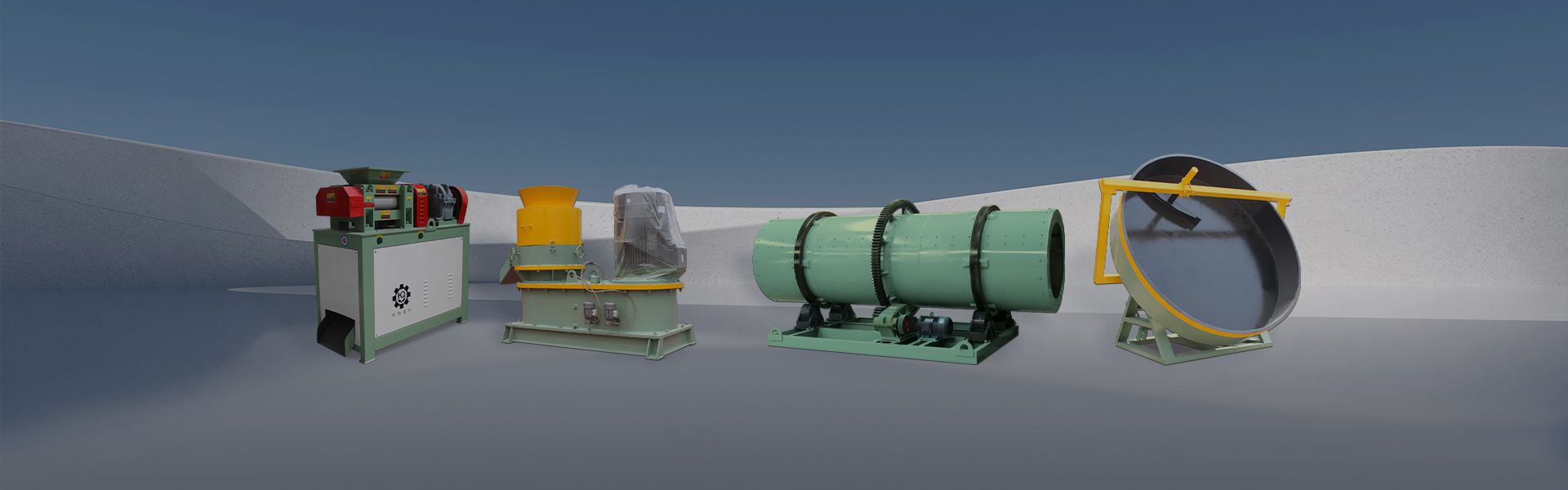
Proper maintenance of the compost turner ensures the efficiency of the organic fertilizer fermentation process, which is the foundation of the overall fertilizer composting technology for organic fertilizer. Key equipments required for biofertilizer production include various compost turners and granulators. For large-scale windrows, a large wheel compost turner or windrow composting machine is used. For intensive processing, trough-type aerobic fermentation composting technology employs a chain compost turning machine. This advanced fermentation composting turning technology ensures rapid decomposition. Following complete fermentation, the cured compost is transferred to the shaping stage. This can be accomplished using a rotary drum granulator or a disc granulation production line, transforming the stable organic matter into uniform, market-ready fertilizer pellets, completing the biofertilizer manufacturing cycle.