
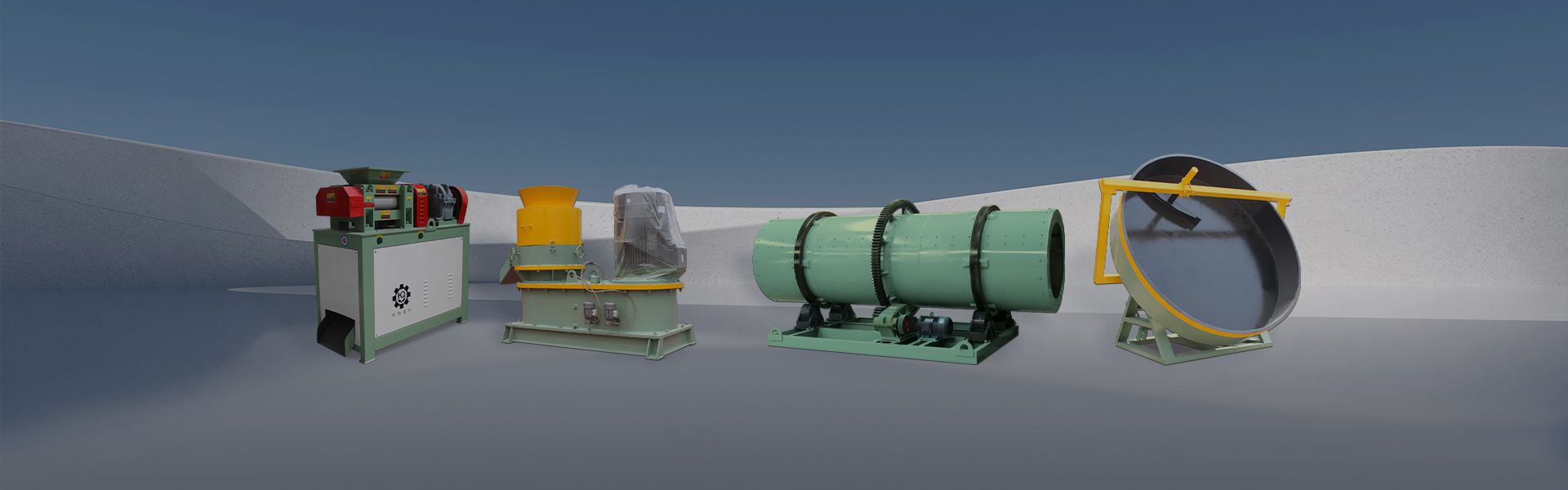
In the modern circular economy system, compost turning machines have become the core equipment of organic waste recycling facilities. From municipal solid waste treatment plants to livestock manure recycling stations, this efficient machinery is transforming the way organic waste is handled, converting environmental burdens into valuable resources.
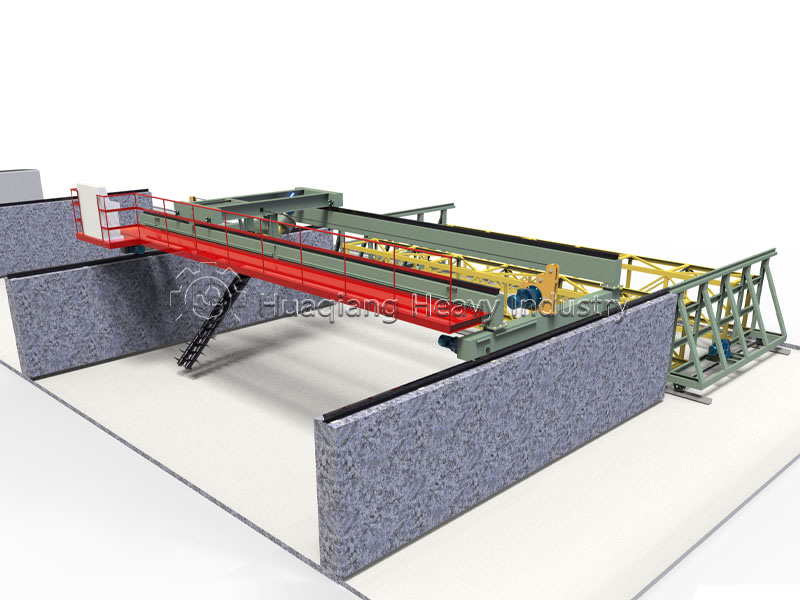
From Waste to Resource Converter
Various organic wastes received by recycling facilities, such as food waste, garden waste, and livestock manure, can become sources of environmental pollution if not properly treated. Through mechanical turning and high-temperature aerobic fermentation processes, compost turning machines transform these wastes into safe, stable organic fertilizer. The high-temperature environment during fermentation effectively eliminates pathogens and insect eggs while decomposing odorous substances, achieving harmless waste treatment.
Compared to traditional natural composting that requires 3-6 months, compost turning machines can reduce the processing cycle to 15-45 days. This efficiency improvement enables recycling facilities to handle larger volumes of organic waste, meeting the growing waste treatment demands of urban areas.
Triple Benefits: Environmental, Economic, and Social
The application of compost turning machines in recycling facilities generates significant environmental benefits. Through centralized treatment of organic waste, soil and water pollution risks are effectively reduced, while greenhouse gas emissions are minimized. Compared to incineration or landfilling, the carbon dioxide produced during composting fermentation can be absorbed by subsequently planted crops, forming a carbon cycle.
Economic benefits are equally evident. A medium-sized compost turner can replace the labor of dozens of workers, significantly reducing labor costs. More importantly, each ton of organic waste can produce 0.6-0.8 tons of high-quality organic fertilizer, creating a “waste recycling-organic fertilizer sales” profit model. This transformation not only solves waste treatment problems but also creates new economic value.
Promoting Sustainable Agriculture
Organic fertilizer produced by compost turning machines plays an important role in improving soil quality. Soil compaction problems caused by long-term chemical fertilizer use can be effectively alleviated through organic fertilizer application. Beneficial microorganisms in organic fertilizer can regulate soil microecological balance and enhance soil water and nutrient retention capacity.
Through the use of organic fertilizer, agricultural production can reduce dependence on chemical fertilizers and pesticides, producing agricultural products that better meet green standards. This transformation not only increases the added value of agricultural products but also promotes the sustainable development of ecological agriculture.
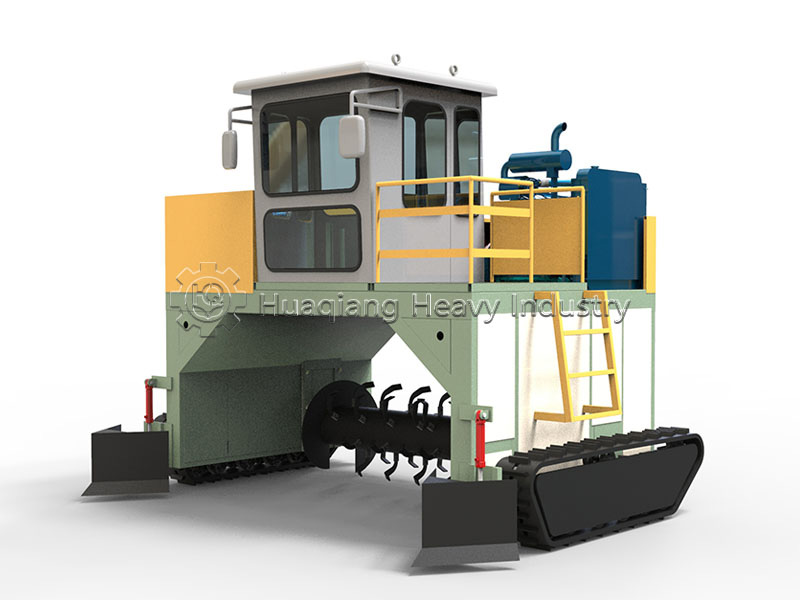
Technological Innovation and Operational Advantages
Modern compost turning machines have made significant progress in operational convenience and adaptability. The increasing automation of equipment allows non-professionals to operate after simple training. Different models of compost turning machines can handle various types of organic waste, effectively processing everything from high-moisture food waste to dry garden waste.
Reduced maintenance costs also represent important technological advancements. Core components manufactured from wear-resistant and corrosion-resistant materials significantly extend service life, while modular design makes replacement and maintenance simpler. These improvements make compost turning machines more widely applicable and sustainable in recycling facilities.
Future Outlook
As global emphasis on circular economy and sustainable development continues to grow, the role of compost turning machines in recycling facilities will become increasingly important. The development of intelligent and automated technologies will make the composting process more precise and efficient, while the application of new materials will further extend equipment service life.
compost turning machines are not just waste treatment equipment but also bridges connecting urban waste management and agricultural production. By converting organic waste into high-quality organic fertilizer, they are helping to build a more sustainable resource cycling system, providing practical solutions to global environmental challenges.
Advanced Composting Technology for Efficient Resource Recovery
The transformation of waste to resource is powered by sophisticated fermentation composting turning technology. Modern recycling facilities utilize specialized equipment to optimize the organic fertilizer fermentation process. Key machinery includes the hydraulic trough compost turner for controlled indoor operations, the trough-type compost turner implementing trough-type aerobic fermentation composting technology, and the windrow compost turner for large-scale outdoor processing. For challenging materials or specialized applications, the large wheel compost turner and chain compost turner provide robust solutions.
These equipments required for biofertilizer production work in concert to accelerate decomposition, ensure pathogen elimination, and produce stable, nutrient-rich compost. The integration of these turning technologies creates efficient systems that convert diverse organic waste streams—from municipal food scraps to agricultural residues—into valuable soil amendments. This closed-loop approach not only addresses waste management challenges but also supports sustainable agriculture by providing organic fertilizers that improve soil health, enhance crop productivity, and reduce dependence on synthetic inputs. As circular economy principles gain global traction, these advanced composting systems represent a critical link between urban waste management and agricultural sustainability, turning environmental liabilities into agricultural assets through scientifically managed biological transformation processes.