
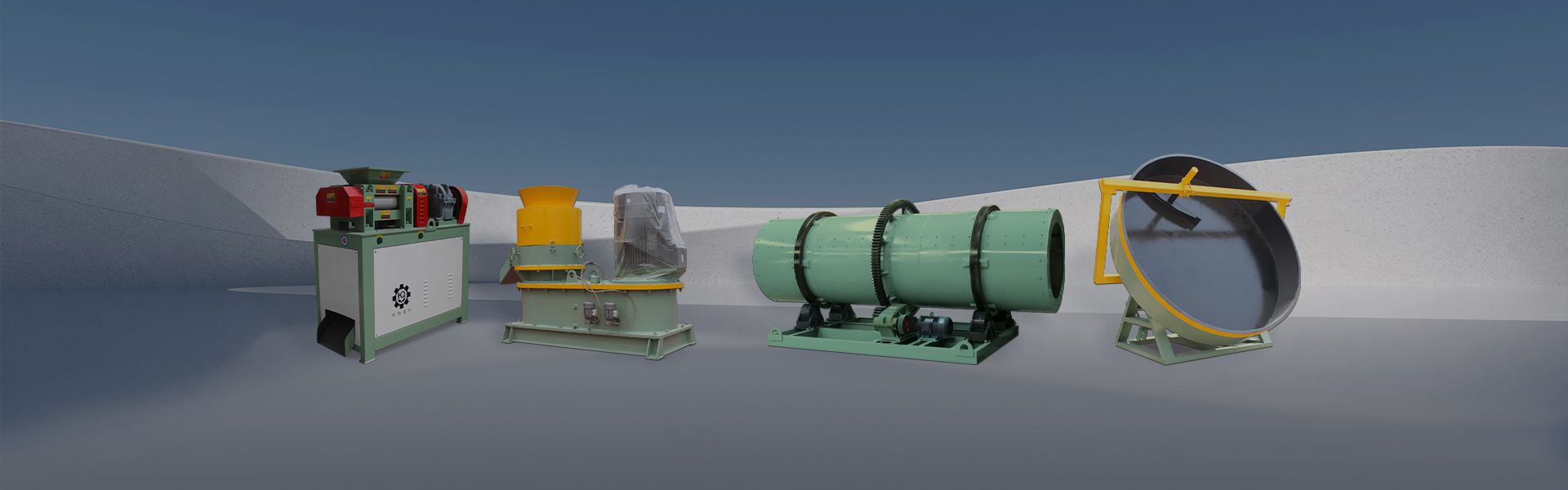
The “maturation” of compost is not an instantaneous process, but a complete timeline encompassing the entire transformation from fresh organic matter to stable humus. Understanding each key node on this timeline is essential for mastering the core technologies of organic fertilizer production.
Initial Fermentation Period (First 3 to 7 Days): The “Rapid Start-up” of Microorganisms
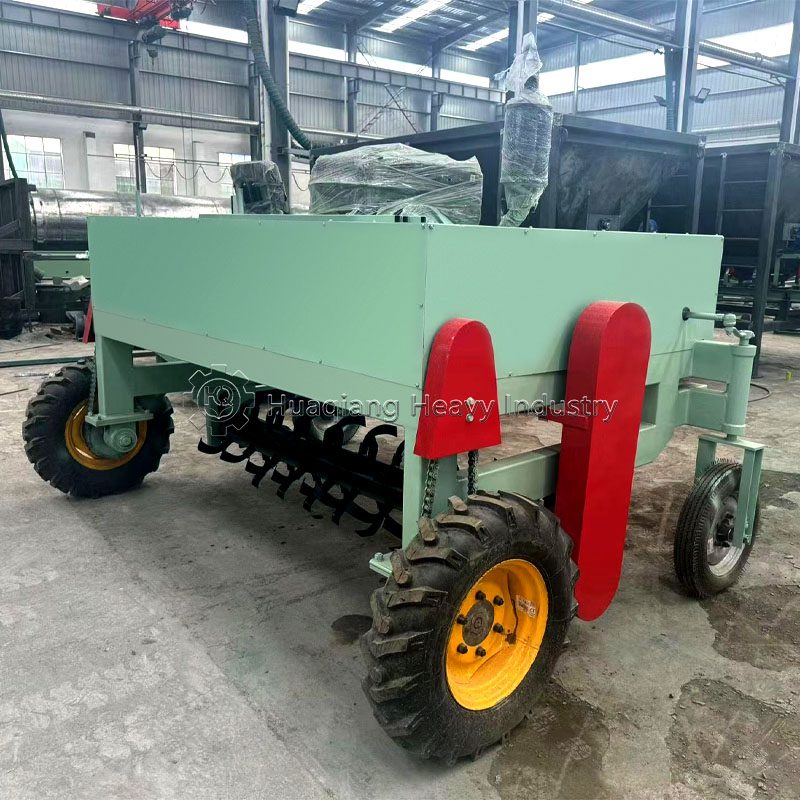
The initial fermentation period is the “ignition stage” of the composting process. After fresh organic materials (such as livestock manure, straw, etc.) are mixed with fermentation bacteria, the temperature of the compost pile gradually rises. The core objective of this stage is to activate the activity of aerobic microorganisms, causing the compost pile to heat up rapidly. Mechanical turning of the pile 1 to 2 times daily ensures sufficient oxygen supply and uniform material mixing, preventing localized anaerobic conditions that produce odors. When the compost pile temperature reaches 45 to 50°C, it signifies the successful start of the fermentation process.
High-Temperature Period (10 to 15 Days): The “Golden Window” for Organic Matter Degradation
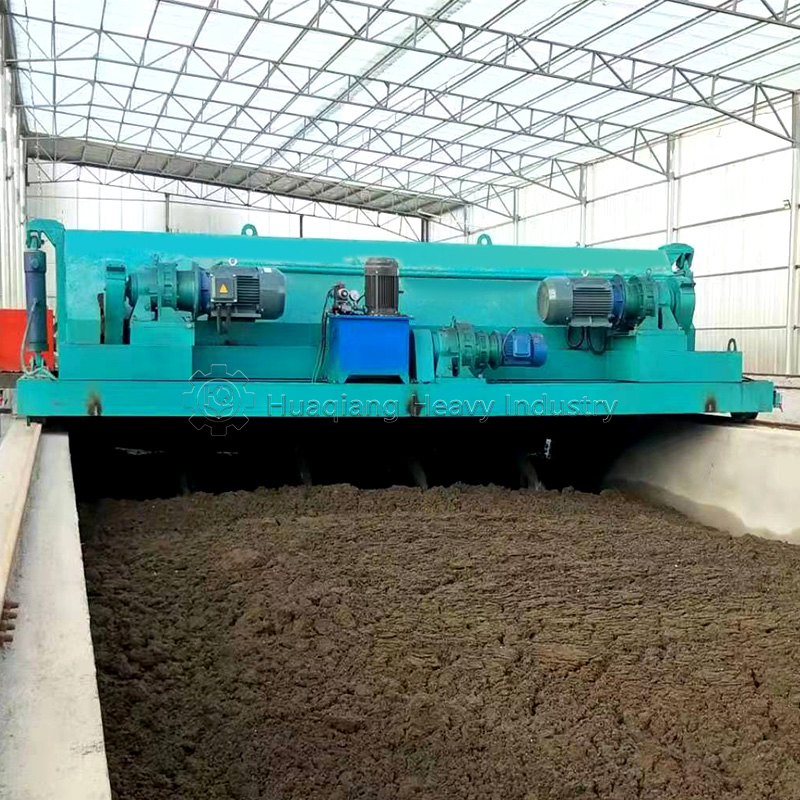
The high-temperature period is the critical stage of aerobic fermentation. When the pile temperature reaches the high-temperature range of 55 to 65°C, thermophilic microorganisms become the dominant flora, rapidly decomposing complex organic matter such as cellulose and protein. Maintaining this temperature range for 5 to 7 days or more can effectively kill pathogens, insect eggs, and weed seeds, achieving harmless and hygienic standards (fecal coliform count ≤100 CFU/g, roundworm egg mortality rate ≥95%). The turning frequency should be adjusted to once every 1 to 2 days. When the pile temperature exceeds 70°C, it is necessary to turn the pile promptly to cool it down and prevent beneficial bacteria from dying due to overheating.
Cooling and Maturation Period (Subsequent 20 to 30 days): A Key Stage for Building Stability After the high-temperature period, the easily degradable organic matter has been basically decomposed, and the pile temperature gradually decreases to below 40°C. At this time, the maturation period begins, and microbial activity changes from “rapid degradation” to “slow transformation”—organic matter gradually transforms into stable humic substances, and the compost products begin to exhibit the mature characteristics of being “soft, odorless, and dark brown to black in color.” However, it’s important to note that the compost products are still unstable at this stage and may undergo secondary fermentation after being applied to the soil, producing phytotoxic substances.
Post-fermentation (Aging) Period (15 to 30 days): The True “Fermentation”
This is a crucial stage often overlooked by many small and medium-sized organic fertilizer plants. Post-fermentation, also known as aging, involves a second stacking and static storage of the compost products after the initial fermentation period. Under natural ventilation, the compost material further stabilizes, microbial activity continues to decrease, phytotoxic substances (such as small-molecule organic acids and polyphenols) are fully degraded, and the seed germination index (GI) gradually increases to over 80%, indicating that the compost has reached the standard of complete fermentation and safe application. Studies have shown that compost treated with post-fermentation significantly increases its humic acid content and cation exchange capacity (CEC), positively impacting soil improvement and fertilizer sustainability.
Post-processing Equipment: Screening and Refining
After fermentation, the compost material enters the post-processing stage. The core equipment in this stage is the screening system. A drum screen classifies materials, separating large, incompletely decomposed organic matter or impurities such as stones and plastics. The undersize material becomes the finely ground, uniformly sized raw material for finished organic fertilizer. For powdered organic fertilizer, it can be directly packaged after screening or enters an automatic metering and packaging system. For granular organic fertilizer, further processing is required after screening, including crushing, secondary mixing, granulation, drying, and cooling.
Conclusion: From the “rapid start-up” of initial fermentation to the “violent degradation” during the high-temperature period, from the “slow transformation” of the maturation period to the “complete stabilization” of post-maturation, and finally to the “refining” after screening—this complete timeline represents the transformation of compost from “waste” to “safe fertilizer.” Understanding and respecting the technical requirements of each stage is a fundamental prerequisite for ensuring the safety, stability, and efficiency of organic fertilizer products.
From initial heating to final screening, the complete composting cycle is a precise biological and mechanical journey. Mastering fermentation composting turning technology ensures each phase—mesophilic, thermophilic, cooling, and maturation—progresses optimally. This relies on robust fertilizer composting turning machine equipment, such as windrow turners and trough‑type composters, to deliver uniform aeration and temperature control. Integrating bio-organic fertilizer production technology with careful fertilizer formula processing allows producers to stabilise nutrients and enhance microbial viability. Ultimately, the entire organic fertilizer production process—from feedstock mixing to final granulation—transforms raw waste into safe, high‑quality fertiliser, supporting sustainable soil health and crop productivity.