
Dongga Town in Lang County, Nyingchi, Tibet, boasts vast grassland resources and a large-scale yak and Tibetan sheep breeding industry, generating a large amount of natural livestock manure annually. Due to the unique environment of high altitude, low temperature, and large diurnal temperature range, the area has long lacked mature waste treatment equipment, resulting in the natural accumulation of manure and serious resource waste. To achieve the resource utilization of plateau livestock waste, local agricultural enterprises have constructed a new organic fertilizer processing project. On September 2, 2025, the complete set of equipment for our company’s fully automated organic fertilizer powder production line was delivered, installed, and commissioned with materials.

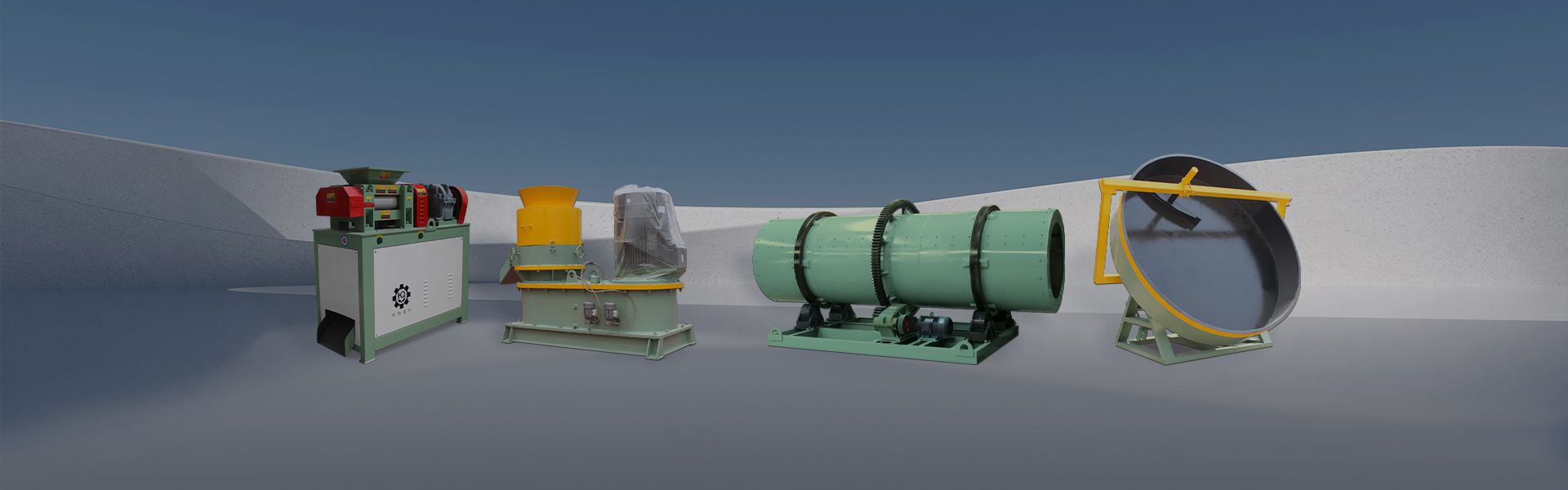
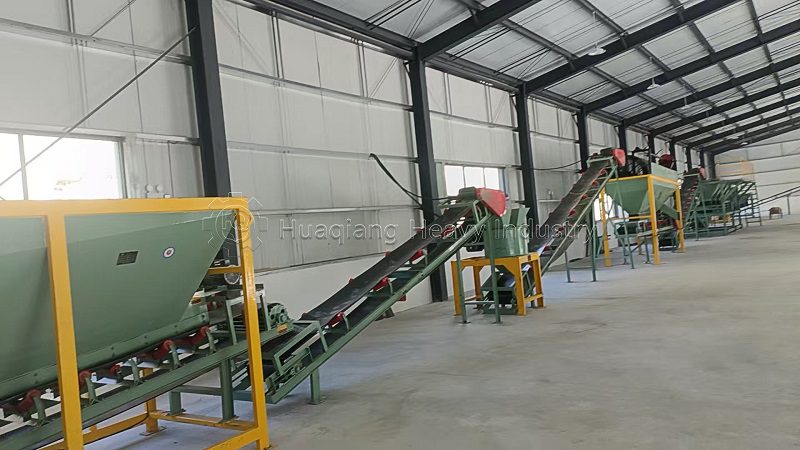
Specifically designed for the unique working conditions of the Tibetan plateau, the delivered powder production line underwent a special adaptation upgrade. The equipment’s motor and electrical control system are adapted to the low-pressure and low-temperature environment of the plateau, ensuring stable start-up and smooth operation even at low temperatures. The complete production line consists of a semi-wet material crusher, a horizontal twin-shaft mixer, a drum screen, a conveying and feeding system, and a centralized electrical control cabinet. Its main features are simple process, low failure rate, and easy maintenance, making it ideal for production in remote areas. The equipment can process fermented yak and sheep manure raw materials with a moisture content of 30%–45%, achieving a crushing fineness of 20–60 mesh. The finished powder is fine, uniform, and free of lumps and impurities.
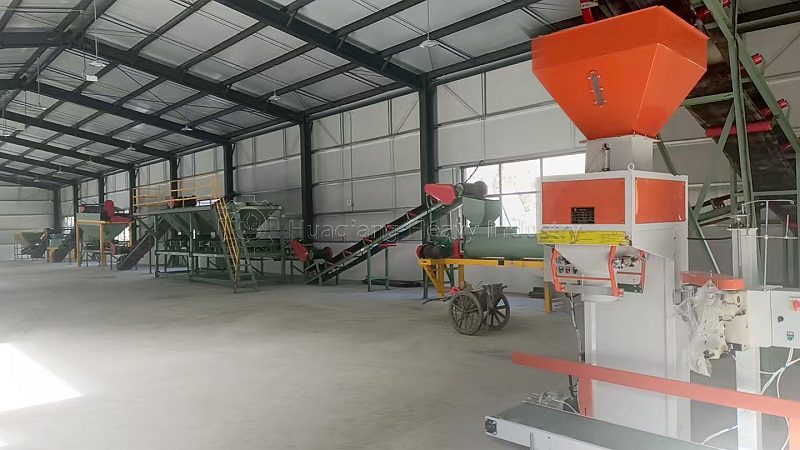
This production line is designed to produce 1–3 tons of powdered organic fertilizer per hour, meeting the needs of small to medium-sized production in townships. The equipment has a compact overall structure and modular installation, requiring no complex civil engineering. Our technical team overcame the challenges of the high-altitude climate, completing equipment alignment, leveling, circuit debugging, and on-site testing. They also provided specialized training to local operators on maintenance, dust removal, and winter anti-freezing operation and maintenance.
After the project is put into operation, it can locally utilize local livestock waste. The high-quality powdered organic fertilizer produced can be used for high-altitude grassland restoration, understory planting, and soil improvement for specialty crops, effectively improving the local ecological environment and achieving green and circular development of high-altitude agriculture and animal husbandry.