
In the field of modern organic waste resource utilization, composting and fermentation are two common and important biotransformation processes. Although both involve the decomposition and transformation of organic matter, they differ significantly in principle, conditions, and products. Understanding the essential differences between these two processes is crucial for selecting appropriate organic waste treatment technologies.
Basic Concepts and Principle Differences
Composting is essentially an aerobic process, decomposing organic matter under aerobic conditions through the action of aerobic microorganisms. This process generates a large amount of heat, with temperatures typically reaching 55-65℃, and sometimes even higher. High temperatures not only accelerate the decomposition process but also effectively kill pathogens and weed seeds. The final product of composting is stable humus, rich in various nutrients required by plants.
Fermentation, on the other hand, is primarily an anaerobic process, taking place under anaerobic or microaerobic conditions. This process is dominated by anaerobic microorganisms, with relatively lower temperatures, typically between 25-40℃. Fermentation produces relatively little heat, with main products including methane, carbon dioxide, organic acids, and alcohols. In organic fertilizer production, fermentation typically refers to anaerobic fermentation, in stark contrast to the aerobic process of composting.
Process Conditions and Microbial Community: Composting requires a sufficient oxygen supply. In practice, this is usually achieved through regular turning or forced ventilation. For example, a large organic fertilizer plant in Shandong uses a fully automated turning system, turning the compost every four hours to ensure even oxygen distribution. The microbial community undergoes significant succession during composting: initially dominated by mesophilic bacteria, thermophilic bacteria gradually become the dominant species as the temperature rises. These microorganisms effectively decompose complex organic matter such as cellulose and lignin.
Fermentation, on the other hand, requires a strictly anaerobic environment. A biogas project in Jiangsu uses a completely mixed reactor, maintaining anaerobic conditions through a double-sealed system and gas recovery system. The microorganisms in the fermentation process mainly include two categories: acid-producing bacteria and methanogens, which work together to convert organic matter into biogas. Temperature control is crucial for fermentation efficiency. This project employs a constant temperature system to maintain the reaction temperature at 35℃, ensuring optimal microbial activity.
Product Characteristics and Application Differences: The final product of composting is stable organic fertilizer. This fertilizer is rich in humus, improving soil structure and enhancing its water and fertilizer retention capacity. Application practices in apple-growing areas of Shaanxi Province show that chicken manure, after 45 days of complete composting, increased soil organic matter content by 0.8% and apple yield by 12% when applied to orchards. The high temperatures generated during composting also effectively kill harmful organisms, ensuring the safe use of the fertilizer.
The main products of fermentation are biogas and digestate. A biogas project built by a large-scale livestock farm in Hebei Province processes 20 tons of pig manure daily, producing 360,000 cubic meters of biogas annually, equivalent to replacing approximately 260 tons of standard coal. The resulting digestate, after further treatment, can be used as liquid organic fertilizer. It is worth noting that simple fermentation products usually require further processing to become stable fertilizer, which often necessitates combining it with composting processes.
Process Flow and Time Requirements
Composting typically requires a long period. A complete composting process includes four stages: heating, high temperature, cooling, and maturation, which can take 30-90 days. A vegetable waste treatment center in the suburbs of Shanghai uses a trough composting process, shortening the composting cycle to 40 days through precise control of ventilation and humidity. Their experience shows that proper raw material ratios and process management can significantly improve composting efficiency.
The fermentation process time depends on the characteristics of the raw materials and process conditions. In the aforementioned Jiangsu biogas project, the average residence time of pig manure was 25 days. By adding specialized microbial agents and optimizing process parameters, the fermentation cycle can be shortened to 20 days. Compared to composting, fermentation usually requires stricter process control, especially monitoring of pH and temperature.
Environmental Factors and Influencing Factors
Composting is quite sensitive to changes in environmental conditions. During the rainy season or in high humidity environments, the composting process is prone to turning into an anaerobic state, producing odors. An organic fertilizer plant in Fujian successfully solved the problem of composting during the rainy season by building rain shelters and adjusting the raw material ratios. Their data shows that controlling the moisture content of the materials between 50-60% is crucial for successful composting.
The fermentation process is more sensitive to temperature fluctuations. A biogas plant in Northeast China faced reduced efficiency in winter but successfully maintained the reactor temperature within a suitable range by adding insulation and utilizing waste heat from the biogas boiler. Their operational data indicates that for every 5°C drop in temperature, biogas production decreases by approximately 30%.
Technology Selection and Application Scenarios
In practical applications, choosing between composting and fermentation processes requires comprehensive consideration of multiple factors. For solid organic waste, such as livestock manure and crop straw, composting is generally a more suitable choice. A poultry farm in Guangdong uses windrow composting to process 12,000 tons of chicken manure annually, producing organic fertilizer that fully meets the needs of surrounding orchards.
For organic waste with high moisture content, such as food processing wastewater and alcohol waste liquid, fermentation technology may be more advantageous. A brewing company in Zhejiang Province has built an anaerobic fermentation system that processes 150 tons of alcohol waste daily. The biogas produced is used for power generation, saving approximately 800,000 yuan in electricity costs annually.
Development Trends and Innovative Applications
With technological advancements, composting and fermentation processes are constantly innovating. The application of intelligent monitoring systems makes process control more precise, and the development of new microbial agents improves conversion efficiency. Some innovative projects organically combine the two processes to form a more efficient resource utilization system. An ecological farm in the suburbs of Beijing uses a combined “fermentation-composting” process, first anaerobically fermenting livestock and poultry manure to produce biogas, and then aerobically composting the digested residue, achieving dual recovery of energy and fertilizer.
Industrial-Scale Systems for Organic Fertilizer Production
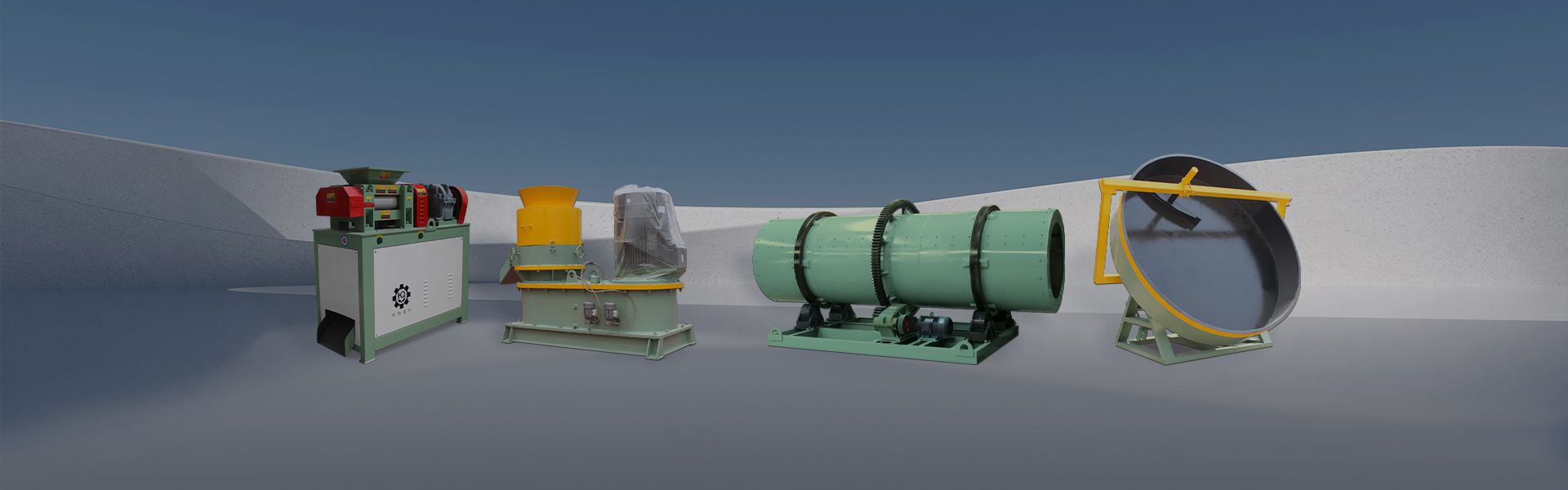
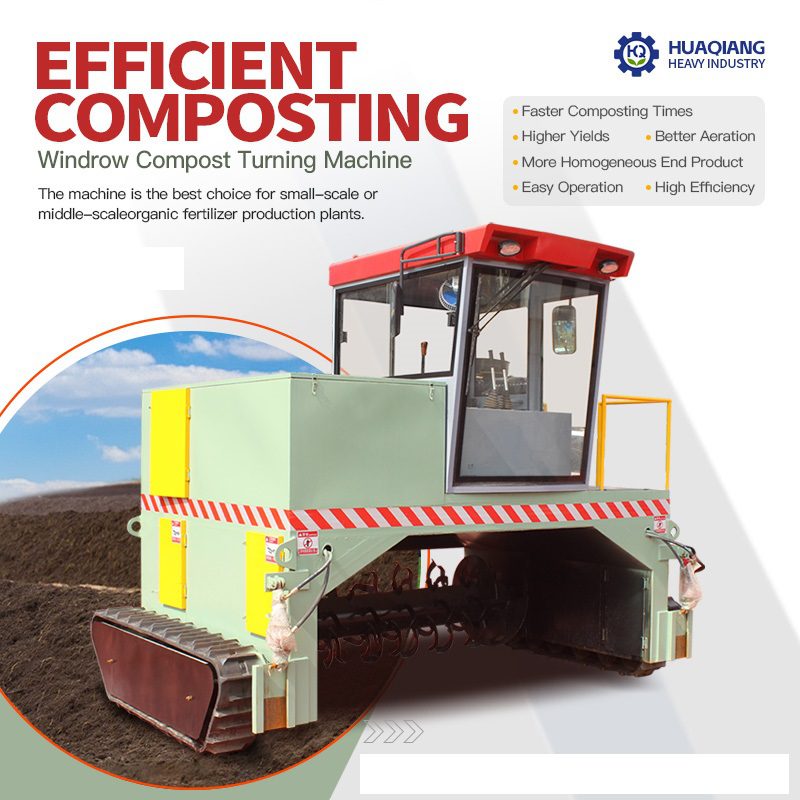
To scale the aerobic composting process into a consistent and efficient organic fertilizer fermentation process, specialized machinery is essential. The core of fermentation composting technology for organic fertilizer lies in effective aeration and turning, achieved through various machines. For open-air windrows, a large wheel compost turner or a more agile self propelled compost production machine efficiently overturns long piles. For more controlled and intensive processing, trough-type aerobic fermentation composting technology is employed, utilizing equipment like a trough-type compost turner, a chain compost turner, or a highly efficient double screws compost turning machine that moves along a concrete channel, ensuring thorough oxygenation and mixing. Collectively, this fermentation composting turning technology ensures rapid decomposition and hygienization. Following complete composting, the cured material enters the granulation phase. A standard disc granulation production line transforms the fine compost into uniform, marketable pellets. The combination of an advanced turning machine (like a windrow composting machine for larger areas) and a granulation line forms the complete set of equipments required for biofertilizer production, enabling the transition from raw waste to a stabilized, commercial-grade organic fertilizer product.
Conclusions and Recommendations
Composting and fermentation, as two important technological pathways for organic waste treatment, each have their own characteristics and applicable scenarios. Composting is suitable for producing stable solid organic fertilizers, while fermentation is suitable for treating high-moisture waste and recovering energy. In practical applications, appropriate technological solutions should be selected based on the characteristics of raw materials, product needs, and local conditions. When necessary, the two processes can be combined to maximize resource utilization and optimize environmental benefits.
In the future, with the deepening of the concept of circular economy and the continuous progress of technology, these two processes will play a more important role in the resource utilization of organic waste and make a greater contribution to the development of sustainable agriculture.