
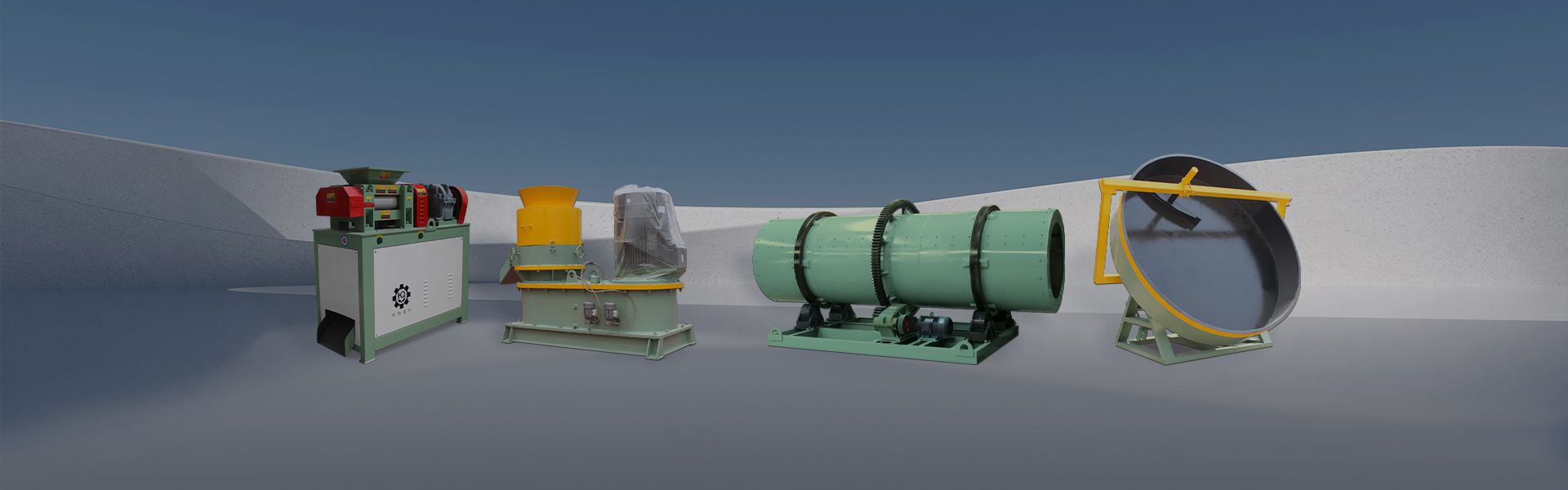
At the heart of many modern industrial processes, the quality of the mixing operation often determines the success or failure of the final product. Among the numerous mixing solutions available, the horizontal mixer plays the role of a crucial “unsung hero.” With its horizontally arranged mixing shaft and unique mechanical design, it demonstrates exceptional efficiency and reliability in handling a wide array of mixing tasks involving powders, granules, and pastes, serving as the cornerstone for ensuring high consistency between production batches.
The design philosophy of the horizontal mixer is to achieve the optimal balance between mixing performance and operational maintenance. Its core strengths make it excel in numerous blending tasks:
Exceptional Three-Dimensional Mixing Uniformity: The mixing drum is positioned horizontally, typically equipped with a dual-ribbon or paddle-type agitator. The outer ribbons convey material from both ends toward the center along the drum wall, while the inner ribbons simultaneously push material from the center toward the ends. This creates intense bidirectional convection, shearing, and diffusion. This three-dimensional compound motion ensures materials reach high homogeneity in a short time, especially effective for ingredients with significantly differing specific gravities or particle sizes.
Core Role in Production Lines: The “Heart of Formulation” in NPK and Organic Fertilizer Production
The horizontal mixer acts as the “precision executor” of scientific formulations in fertilizer production processes, playing an irreplaceable core role in both NPK Compound Fertilizer Production Lines and Organic Fertilizer Production Lines:
In NPK Compound Fertilizer Lines: Positioned as a critical step after raw material pre-treatment, it is responsible for the high-intensity, uniform dry mixing of precisely metered base ingredient powders—Nitrogen (N), Phosphorus (P), and Potassium (K) sources (e.g., urea, MAP, MOP)—along with various micronutrient additives. Its exceptional three-dimensional mixing capability ensures the uniform distribution of bulk raw materials at a microscopic level. This is the fundamental prerequisite for subsequent granulation processes to produce compound fertilizer granules where every pellet has consistent nutrient content. Without its precise pre-mixing, the nutrient uniformity of the final product from subsequent rotary drum granulation or chemical synthesis cannot be guaranteed.
In Organic Fertilizer Lines: It is located after the crushing of fermented materials and before the granulation or packaging stage. Its primary task is to thoroughly yet gently mix well-composted organic raw materials (e.g., fermented livestock manure, straw) with any necessary functional microbial agents, minerals, or small amounts of inorganic nutrients. The gentle mixing action of the horizontal mixer effectively protects the structure of the organic matter and the activity of beneficial microorganisms, while ensuring that added supplements are evenly dispersed throughout the organic matrix. This results in the production of high-quality commercial organic fertilizer or bio-organic fertilizer with stable composition and consistent efficacy.
Application Scenarios & Value
Horizontal mixers are widely used in feed processing, food industry, chemicals, pharmaceuticals, plastics, building materials, pesticides, and fertilizers (especially BB fertilizer). Their value lies in: ensuring high consistency of final product composition, improving the utilization rate of expensive additives, reducing quality fluctuations, enabling rapid batch production, and facilitating cleaning to meet stringent hygiene or safety standards. They are fundamental equipment for enhancing product quality stability, reducing production costs, and complying with rigorous industry regulations.
Conclusion
Choosing a horizontal mixer means selecting a reliable, precise, and efficient partner for your blending process. With its classic horizontal ribbon design, it provides a near-perfect mixing solution year after year. In modern industry, where product consistency, production efficiency, and operational safety are emphasized, this steady “horizontal specialist” continually proves that the most effective designs often stem from the deepest understanding and most robust engineering implementation of material movement principles.