
Chicken manure, due to its high nitrogen, phosphorus, and potassium content and rich organic matter, is a high-quality raw material for producing commercial organic fertilizer. However, fresh chicken manure has a high water content, high viscosity, and contains pathogens and weed seeds, posing a risk of root burn and disease transmission if applied directly. Converting chicken manure into safe and efficient organic fertilizer requires a complete chicken manure fertilizer processing equipment system and a scientific fermentation turning process.
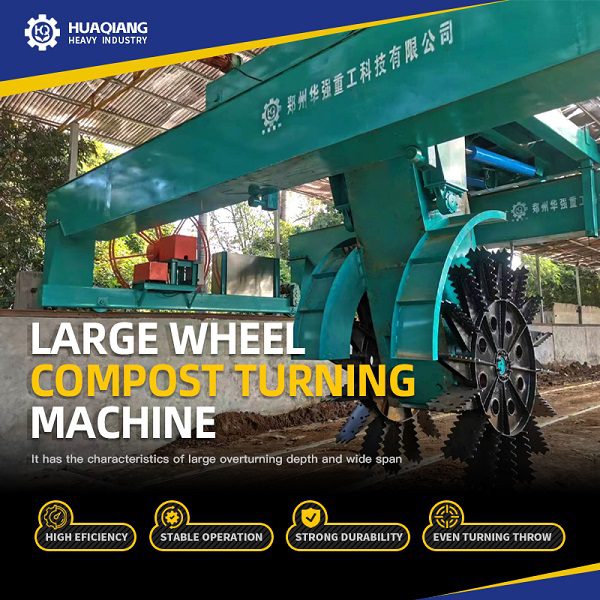
Chicken Manure Fertilizer Processing Equipment System A complete chicken manure organic fertilizer production line includes equipment covering the entire chain from fermentation to packaging. The core equipment in the fermentation stage is the bio-organic fertilizer fermentation turning machine (also known as a compost turner), which is the key machinery in the aerobic dynamic composting process. The turning machine stirs the material to be fermented through a turning device, increasing the contact between the material and air, promoting the metabolic activity of aerobic microorganisms, thereby shortening the fermentation time and achieving a more complete and uniform fermentation effect. Depending on the mode of movement, turning machines are mainly divided into two types: tracked and wheeled. In addition, trough-type compost turners are also a common configuration in fermentation workshops, widely used in the fermentation and composting operations of organic fertilizer plants and compound fertilizer plants.
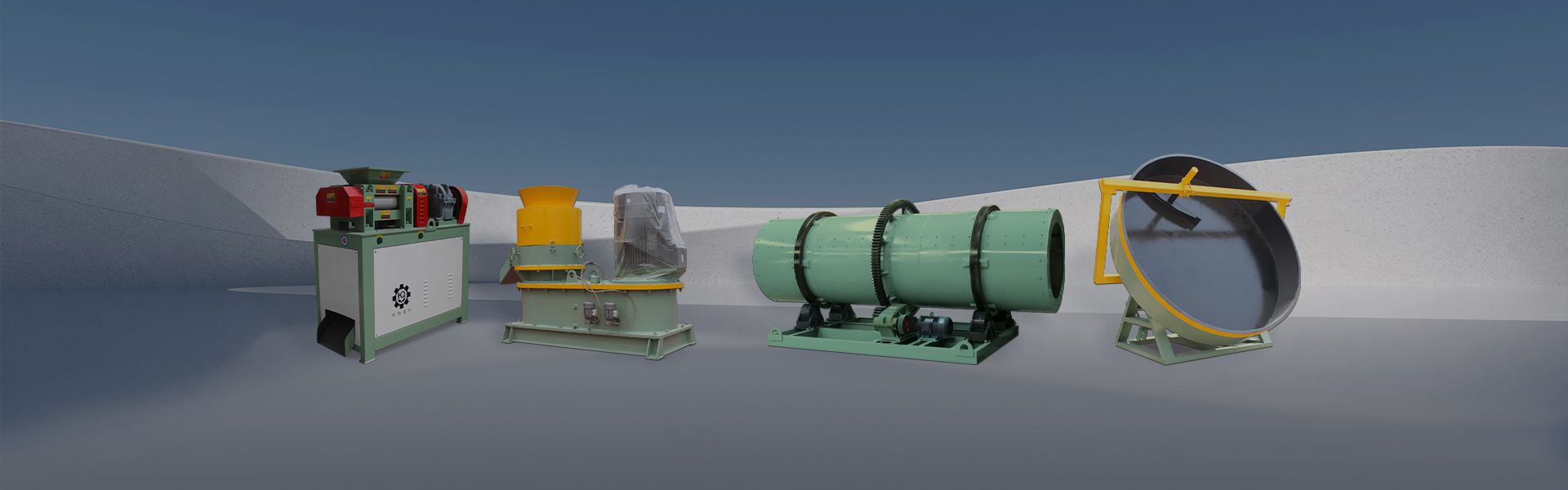
In the deep processing stage, chicken manure fertilizer processing equipment includes organic fertilizer crushers, drum screens, horizontal mixers, disc granulators, rotary dryers, coolers, coating machines, packaging machines, and conveyors. These devices are typically integrated into a system comprising a fermentation system, a drying system, a deodorization and dust removal system, a crushing system, a batching system, a mixing system, a granulation system, a screening system, and a finished product packaging system.
Process Control of Chicken Manure Fermentation Turning
Aerobic fermentation of chicken manure is the most crucial biological transformation step in organic fertilizer production. After fresh chicken manure is piled up, it automatically heats up to above 55℃ under the action of microorganisms and is maintained for 5 to 7 days, during which time it is turned approximately every 3 days. After 7 to 10 days of fermentation, the temperature naturally drops below 50℃. At this point, a mixture of microbial inoculum needs to be added again, stirred evenly, and the moisture content controlled at 40%, entering the second fermentation stage. After 10 to 20 days, the temperature inside the compost pile drops below 40℃, reaching the maturity standard.
During this process, the quality of the chicken manure fermentation turning process directly affects the fermentation effect. The frequency and depth of turning need to be dynamically adjusted according to the pile temperature, moisture content, and oxygen concentration. Studies have shown that through targeted microbial regulation, precise adjustment of the carbon-nitrogen ratio and humidity, combined with high-temperature fermentation and mechanized turning processes, chicken manure can be converted into stable, harmless, high-quality organic fertilizer within 15 to 30 days, achieving a pathogen inactivation rate of over 99.9%.
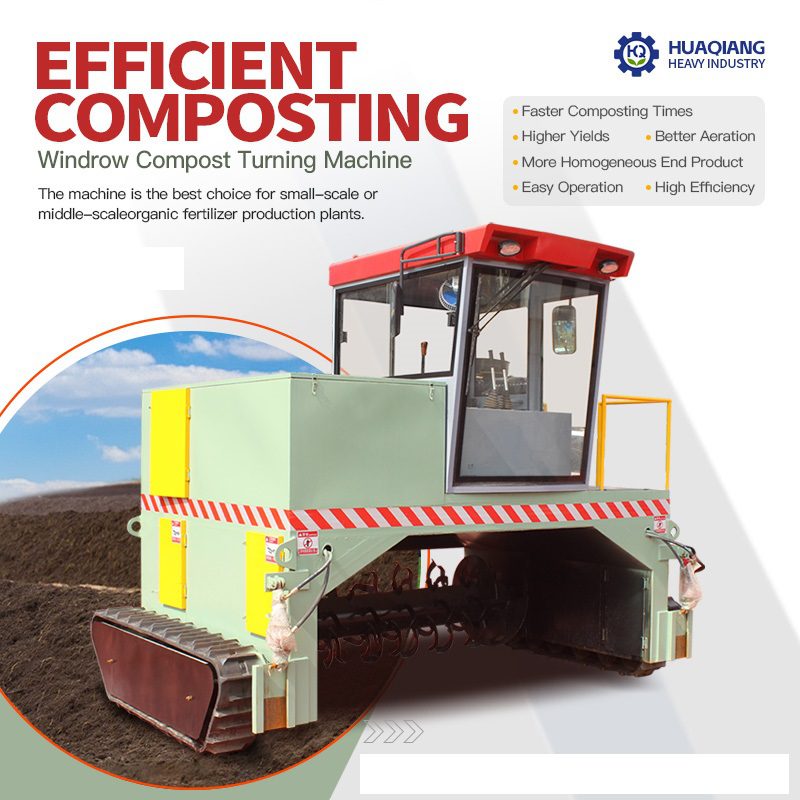
Key Considerations for Equipment Selection When processing chicken manure as raw material, the selection of animal manure treatment equipment should focus on the high moisture and high viscosity characteristics of the material. Chain plate turners offer good composting effects, maintaining a uniform mixture of main and auxiliary materials and preventing material stratification; wheel disc turners are highly efficient and have low maintenance costs. For large-scale chicken manure treatment projects, closed vertical composting reactors offer another technological path with a small footprint and high degree of automation. The choice of equipment requires a comprehensive evaluation of factors such as the treatment scale, site conditions, investment budget, and operating costs.
Mastering the composting process for animal manure, particularly for high‑nitrogen, high‑moisture chicken litter, is the cornerstone of producing safe, high‑quality organic fertiliser. The chicken manure fermentation turning process must be dynamically managed — adjusting turning frequency and depth based on real‑time pile temperature, oxygen, and moisture data to maintain aerobic conditions and accelerate humification. This is where advanced fermentation composting turning technology proves indispensable: mechanised turners ensure uniform aeration, temperature control, and moisture evaporation, reducing the cycle from 60 days to just 15‑20 days while achieving over 99.9% pathogen elimination. For large‑scale operations, the large wheel compost turning machine offers high mobility and deep‑turning capacity, ideal for outdoor windrow systems, while trough‑type turners suit indoor, automated plants. The right chicken manure fertilizer machine — whether wheel, chain, or drum type — must be selected based on scale, site constraints, and energy efficiency. Furthermore, integrating these turners with comprehensive fertilizer composting turning machine equipment (including crushers, mixers, and granulators) creates a seamless production train that transforms raw manure into stable, nutrient‑rich granules. Ultimately, a well‑orchestrated fermentation and turning system not only eliminates environmental risks but also maximises nutrient retention and organic matter quality, delivering a premium organic fertiliser that boosts soil health and crop yields — a true win‑win for sustainable agriculture and waste management.